The Best Vitamin for Your Legs: What to Know About Weakness, Heavy Calves, and Foot Health
Do your legs often feel heavy after walking? Do you experience tingling in your feet, muscle weakness, or unusual tiredness? These symptoms can make everyday activities more difficult, especially as we get older.
You may have seen claims that one vitamin can restore your legs and protect your health. While certain vitamin deficiencies can affect muscles and nerves, there is no single vitamin that treats every cause of leg weakness, heaviness, or swelling.
Understanding the possible causes is the first step toward finding the right solution.
Can a Vitamin Deficiency Affect Your Legs?
Yes. Some vitamin deficiencies can affect nerve function, muscle performance, and energy levels. However, similar symptoms can also arise from circulation problems, medication side effects, nerve conditions, and other medical issues.
1. Vitamin B12: Important for Nerves and Movement
Vitamin B12 helps maintain healthy nerve cells and supports the production of red blood cells.
When B12 levels are too low, symptoms may include:
Tingling or numbness in the feet and legs.
Muscle weakness.
Difficulty maintaining balance.
Fatigue and reduced energy.
Problems with walking or coordination.
A deficiency can sometimes cause nerve damage if it remains untreated. Blood tests can help determine whether B12 levels are low, and treatment depends on the cause of the deficiency.
Vitamin B12 is found naturally in foods such as fish, meat, eggs, milk, and other dairy products. Fortified foods and supplements can also provide it.
Important: B12 supplements are most likely to help these symptoms when a deficiency is present. They are not a general treatment for every type of leg pain or circulation problem.
2. Vitamin D: Supports Muscle and Bone Health
Vitamin D helps the body absorb calcium and maintain healthy bones. It also plays a role in normal muscle function.
Severe vitamin D deficiency can contribute to muscle weakness and bone discomfort. People who have a confirmed deficiency may benefit from supplementation recommended by a healthcare professional.
However, taking extra vitamin D when levels are already adequate has not been shown to restore damaged veins, remove varicose veins, or resolve all causes of heavy legs.
Good dietary sources include oily fish, egg yolks, and foods fortified with vitamin D. Sun exposure also contributes to vitamin D production, but the amount produced varies with factors such as skin tone, season, and time outdoors.
3. Vitamin B1: Helps the Body Use Energy
Vitamin B1, also known as thiamine, helps the body convert food into energy and supports normal nerve function.
A significant deficiency can cause weakness and neurological symptoms. The risk may be higher in people with severe malnutrition, certain absorption problems, or heavy alcohol use.
Thiamine is found in whole grains, beans, nuts, seeds, and pork.
Taking B1 supplements is not a proven treatment for unexplained leg heaviness. If a deficiency is suspected, a healthcare professional can assess the likely cause and recommend appropriate treatment.
What If Your Legs Feel Heavy but Your Vitamin Levels Are Normal?
Heavy legs do not automatically mean you are missing a vitamin. Several other conditions can produce similar symptoms.
Varicose Veins and Venous Insufficiency
When blood does not return efficiently from the legs toward the heart, you may notice heaviness, aching, swelling around the ankles, or visible enlarged veins. Symptoms may worsen after prolonged standing or sitting.
Elevating the legs, moving regularly, and avoiding long periods in one position may help some people. Persistent symptoms deserve medical assessment.
Peripheral Artery Disease
Peripheral artery disease occurs when narrowed arteries reduce blood flow to the legs.
Possible symptoms include calf pain or cramping when walking that improves after resting, cold feet, numbness, skin-color changes, or sores that heal slowly.
These symptoms should not be treated simply by taking vitamins. Medical evaluation is important because the condition can indicate broader cardiovascular risks.
Nerve Problems
Nerve conditions can cause burning, tingling, numbness, or weakness in the feet and legs. Diabetes, vitamin deficiencies, and problems involving the spine are among the possible causes.
The right treatment depends on the underlying condition.
Swelling From Other Causes
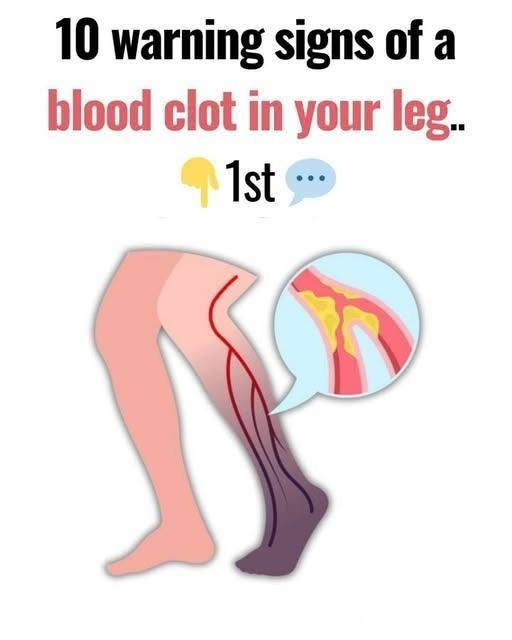
Swollen legs can be related to prolonged sitting or standing, certain medications, kidney or heart problems, or a blood clot. New or unexplained swelling should not automatically be attributed to a vitamin deficiency.
Everyday Habits That Support Healthy Legs
Alongside appropriate medical care, several habits can support strength and mobility.
Keep moving. Gentle walking and suitable strengthening exercises can help maintain muscle function. Start gradually if you have not exercised recently.
Avoid sitting for too long. Take regular movement breaks when practical, particularly during long periods at a desk or while traveling.
Eat a balanced diet. Include protein-rich foods, vegetables, fruits, whole grains, and sources of essential vitamins and minerals.
Stay hydrated. Drink an appropriate amount of fluid for your needs, following medical advice if you have a condition that requires fluid restriction.
Wear comfortable footwear. Shoes that fit properly can improve comfort and help support balance.
Discuss supplements before taking them. Excessive doses of some vitamins can cause harm. Testing and professional advice can help determine whether supplementation is necessary.
Warning Signs You Should Not Ignore
Seek emergency medical care if you experience sudden severe leg pain, a foot that suddenly becomes cold or pale, or new loss of feeling or movement.
Seek urgent assessment for sudden swelling in one leg, particularly if it is painful, red, or warm. If leg swelling occurs alongside chest pain or difficulty breathing, seek emergency help immediately.
Arrange a medical appointment if leg weakness, persistent tingling, recurring pain while walking, or swelling continues or worsens.
Frequently Asked Questions
Which vitamin is best for weak legs?
There is no universally best vitamin. B12, vitamin D, and B1 are important for normal body function, but supplements are most useful when a deficiency or specific medical need has been identified.
Can vitamin B12 restore feeling in the feet?
If numbness or tingling is caused by B12 deficiency, treatment may improve symptoms. Recovery depends on the severity and duration of the deficiency, and some nerve damage may not fully reverse if treatment is delayed.
Can vitamins remove varicose veins?
No. Vitamins do not remove enlarged veins or correct venous valve problems. A clinician can recommend suitable treatments based on the severity of the condition.
Should older adults take vitamins every day?
Not everyone needs a supplement. Nutritional needs vary according to diet, age, medical conditions, and medications. A doctor or pharmacist can help determine whether a supplement is appropriate.
Final Thoughts
Healthy legs depend on many factors, including muscle strength, nerve function, circulation, and adequate nutrition. Vitamins B12, D, and B1 each play important roles, but no single vitamin can restore every leg problem or guarantee protection from serious illness.
If your legs feel unusually heavy, weak, numb, or swollen, focus on identifying the cause rather than relying on a supplement advertised as a miracle solution. With the right assessment and treatment, many underlying problems can be managed effectively.
Medical disclaimer: This article is for educational purposes only and does not replace professional medical advice, diagnosis, or treatment.