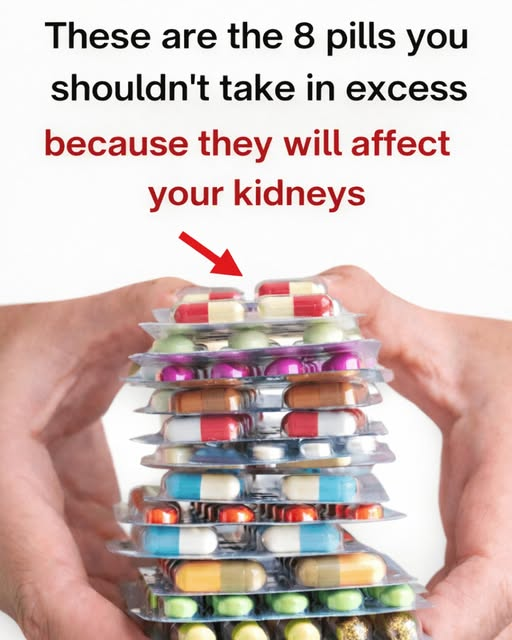
8 Types of Medications That Can Harm Your Kidneys When Misused
Your kidneys work around the clock to filter waste from your blood, balance fluids and electrolytes, and help regulate blood pressure. Because many medications are processed by the kidneys or affect blood flow to them, certain drugs can cause kidney problems when taken incorrectly or in particular medical circumstances.
The risk may be higher for people with chronic kidney disease, diabetes, high blood pressure, heart disease, or dehydration.
However, an important distinction matters: these medications do not automatically damage the kidneys when used appropriately. Many are essential treatments, and stopping them without medical advice can be dangerous.
Here are eight medication groups to understand and discuss with your healthcare professional.
1. Nonsteroidal Anti-Inflammatory Drugs (NSAIDs)
NSAIDs are widely used to relieve pain, reduce inflammation, and lower fever.
Examples include:
Ibuprofen
Naproxen
Diclofenac
Celecoxib
These medicines can reduce blood flow to the kidneys. The risk of kidney injury increases with high doses, prolonged use, dehydration, and certain pre-existing medical conditions.
How to use them more safely: Follow the label or prescription instructions. If you have kidney disease, heart failure, high blood pressure, or take blood pressure medicines or diuretics, ask your doctor or pharmacist before using an NSAID.
2. Certain Antibiotics
Antibiotics treat bacterial infections, but some can affect kidney function or accumulate in the body when the kidneys are not working properly.
Examples include:
Gentamicin
Tobramycin
Vancomycin
The risks vary by antibiotic, dose, duration, and the patient's health. Some treatments require blood tests or kidney-function monitoring.
How to use them more safely: Take antibiotics only when prescribed and follow the instructions. Never use leftover antibiotics or change your dose without medical advice. Your clinician may need to adjust certain antibiotics if your kidney function is reduced.
3. Certain Antiviral Medicines
Some antiviral medicines can affect the kidneys, particularly in people with existing kidney problems or when the dose is not appropriate.
The risk depends on the specific medication. Some antivirals require dose adjustments based on kidney function, and certain medicines may require additional precautions to prevent kidney injury.
How to use them more safely: Tell your prescriber about any kidney problems and all the medicines you take. Do not reduce or stop antiviral treatment without professional guidance.
4. Diuretics, Sometimes Called Water Pills
Diuretics help the body remove excess salt and water through urine. They are commonly prescribed for high blood pressure, fluid retention, and some heart conditions.
Examples include:
Furosemide
Hydrochlorothiazide
Chlorthalidone
These medicines can be beneficial, but excessive fluid loss may lead to dehydration, low blood pressure, or electrolyte imbalances. These problems can affect kidney function.
How to use them more safely: Take the prescribed dose and attend recommended blood tests. Do not increase the dose to urinate more or change your fluid intake without medical advice.
5. Proton Pump Inhibitors (PPIs)
Proton pump inhibitors reduce stomach acid and are used to treat conditions such as acid reflux and stomach ulcers.
Examples include:
Omeprazole
Esomeprazole
Lansoprazole
Rarely, PPIs can cause a kidney reaction called acute interstitial nephritis, which is inflammation within the kidneys. Some observational studies have also found associations between long-term PPI use and chronic kidney disease, although such associations do not establish that the medicine caused the disease in every case.
How to use them more safely: If you take a PPI for a long time, ask your healthcare professional to review whether you still need it. Do not discontinue a prescribed medicine without discussing your situation.
6. Lithium
Lithium is a prescription medicine used primarily to treat bipolar disorder and certain other mental health conditions.
Long-term treatment can affect the kidneys in some patients. Lithium levels can also become dangerously high if kidney function changes or dehydration occurs.
Possible warning signs of lithium toxicity include worsening tremor, vomiting, diarrhea, unusual drowsiness, confusion, or difficulty walking.
How to use it more safely: Lithium requires regular blood tests and monitoring of kidney and thyroid function. Contact your healthcare professional promptly if you develop symptoms of toxicity, especially during an illness that causes vomiting or diarrhea.
Do not stop lithium or change the dose without medical guidance unless emergency professionals direct you otherwise.
7. Some Blood Pressure Medicines When You Are Dehydrated
Certain blood pressure medicines, including ACE inhibitors and angiotensin receptor blockers (ARBs), are often used to protect the heart and kidneys.
Examples include:
Lisinopril
Ramipril
Losartan
Valsartan
These medicines can be beneficial, particularly for people with certain types of kidney disease. However, kidney function may temporarily worsen in some situations, such as severe dehydration, very low blood pressure, or certain medication combinations.
How to use them more safely: Take these medicines as prescribed and attend recommended kidney-function and potassium blood tests. If you develop significant vomiting, diarrhea, or difficulty keeping fluids down, contact your healthcare professional for individualized advice.
Do not stop these medicines routinely just because you have heard they can affect the kidneys.
8. Some Medicines Used for Cancer Treatment
Certain chemotherapy and other cancer treatments can affect kidney function. The risk depends on the drug, dose, treatment schedule, hydration status, and the patient's underlying health.
Examples include:
Cisplatin
Ifosfamide
Certain other medicines that require kidney monitoring
Cancer treatment teams often check kidney function before and during treatment and may adjust treatment when necessary.
How to use them more safely: Attend all scheduled blood tests and report reduced urine output, new swelling, persistent vomiting, or other unusual symptoms promptly. Never change cancer treatment without speaking with your specialist.
Who Is at Greater Risk of Medication-Related Kidney Problems?
Certain factors can make medication-related kidney injury more likely:
Existing chronic kidney disease
Diabetes
High blood pressure
Older age
Heart failure or other serious illnesses
Dehydration from vomiting, diarrhea, fever, or poor fluid intake
Taking several medicines that affect kidney function
Using higher doses or taking certain medicines for longer than recommended
If any of these apply to you, a medication review with a doctor or pharmacist can help identify potential risks.
Warning Signs of Possible Kidney Problems
Kidney injury may develop without obvious symptoms, especially in the early stages. When symptoms occur, they can include:
Passing much less urine than usual
Swelling in the feet, ankles, or legs
Unexplained nausea or vomiting
New or worsening shortness of breath
Unusual tiredness or weakness
Confusion or difficulty concentrating
These symptoms can have other causes, so they cannot confirm kidney damage on their own.
Seek urgent medical care if you experience a major reduction in urine output, severe breathlessness, confusion, or rapidly worsening swelling. A clinician may recommend blood and urine tests to assess kidney function.
How to Protect Your Kidneys While Taking Medication
A few practical habits can help reduce avoidable risks.
Keep an updated medication list. Include prescriptions, over-the-counter products, vitamins, and supplements.
Check before taking painkillers. NSAIDs can be risky for people with kidney disease or dehydration.
Avoid taking more than the recommended dose. Higher doses do not necessarily provide better relief and may increase harm.
Tell your doctor about kidney problems. Some medicines require lower doses or less frequent dosing.
Attend recommended blood tests. Monitoring can detect changes before symptoms appear.
Ask about medication interactions. Combining certain medicines can increase kidney-related risks.
Get individualized advice during illness. Vomiting and diarrhea can cause dehydration and change how safely some medicines can be taken.
Do not try to protect your kidneys by stopping prescribed medicines on your own. Some medicines help preserve kidney function and prevent serious complications.
Frequently Asked Questions
Which painkillers can harm the kidneys?
NSAIDs such as ibuprofen, naproxen, and diclofenac can harm kidney function, particularly with high doses, prolonged use, dehydration, or existing kidney disease. Ask a healthcare professional which pain reliever is appropriate for you.
Can medication-related kidney damage be reversed?
Sometimes. Kidney function may recover after an acute injury when the cause is identified and treated promptly. However, recovery is not guaranteed, and some injuries can cause lasting damage.
Do blood pressure medicines damage the kidneys?
Some blood pressure medicines can change kidney-function test results or increase risks in specific circumstances, but ACE inhibitors and ARBs can also protect kidney function in many patients. They should be used and monitored according to medical advice.
How can I tell if my kidneys are healthy?
You cannot reliably determine kidney health from symptoms alone. Blood tests, such as creatinine and estimated glomerular filtration rate (eGFR), and urine tests can help assess kidney function and signs of kidney damage.
Should I stop a medication if I am worried about my kidneys?
No. Contact your doctor or pharmacist first. Stopping some treatments suddenly can worsen the condition they were prescribed to treat.
Final Thoughts
Several types of medication can affect kidney function, especially when misused or taken by someone with existing kidney problems. NSAIDs, certain antibiotics, some antivirals, diuretics, lithium, and selected other treatments may require special precautions or monitoring.
The goal is not to avoid every medication, but to use the right medicine at the right dose with appropriate monitoring. If you take several medications or have diabetes, high blood pressure, or kidney disease, ask your healthcare professional to review your treatment and explain how to protect your kidney health.
Medical disclaimer: This article is for educational purposes only and does not replace professional medical advice, diagnosis, or treatment. Never stop or change prescribed medication without consulting your healthcare professional.