23 Possible Signs of Kidney Problems You Should Know About
Your kidneys work around the clock to filter waste products, regulate fluid levels, balance important minerals, and help control blood pressure. When kidney function declines, changes can occur throughout the body.
One of the most important facts about kidney disease is that many people experience no noticeable symptoms in its early stages. In other cases, symptoms develop gradually and may be mistaken for everyday health problems.
Below are 23 possible signs and symptoms associated with kidney disease or its complications. None of these symptoms, on its own, confirms kidney failure, and several have much more common explanations.
Why Kidney Health Matters
The kidneys are two bean-shaped organs located toward the back of the abdomen, below the rib cage.
They help the body:
Remove waste and excess water through urine
Maintain healthy electrolyte levels
Regulate blood pressure
Support red blood cell production
Maintain bone and mineral health
Chronic kidney disease (CKD) occurs when kidney damage or reduced kidney function persists over time, generally for at least three months.
Kidney failure is a more advanced condition and should not be confused with every minor change in urinary habits or physical appearance.
23 Possible Signs and Symptoms of Kidney Problems
1. Persistent Fatigue
Feeling unusually tired may occur when kidney disease affects the body's ability to remove waste or contributes to anemia.
Fatigue can also result from poor sleep, thyroid problems, infections, and many other conditions.
2. Swelling Around the Ankles
When the kidneys have difficulty regulating fluid and salt, swelling may develop around the ankles and feet.
However, swollen ankles can also result from prolonged standing, certain medications, or circulation problems.
3. Puffy Eyes
Some kidney conditions cause protein to leak into the urine, which may contribute to swelling around the eyes.
Occasional puffiness can also be caused by allergies, sleep patterns, and other common factors.
4. Foamy Urine
Persistently foamy urine can sometimes indicate excess protein in the urine.
Temporary bubbles may occur because of the force of urination or other harmless factors. Repeated or persistent foam deserves medical evaluation.
5. Blood in the Urine
Urine that appears pink, red, or brown may contain blood.
Possible causes include urinary tract infections, kidney stones, and kidney diseases. Visible blood in the urine should be medically assessed, even if there is no pain.
6. Urinating More Frequently at Night
An increased need to urinate during the night may occur with kidney disease.
It can also be related to diabetes, prostate problems, certain medications, or drinking fluids late in the evening.
7. Producing Less Urine Than Usual
A significant reduction in urine output can occur with dehydration, urinary blockage, acute kidney injury, or other serious problems.
A sudden or marked decrease, especially with illness or swelling, requires prompt medical attention.
8. Persistent Itchy Skin
Advanced kidney disease can contribute to itching through changes involving the skin, nerves, and the body's chemical balance.
However, itching is more commonly associated with dry skin, allergies, or dermatological conditions.
9. Dry Skin
Dry skin may occur in people with advanced kidney disease, sometimes alongside mineral and bone disorders.
Dryness alone is not a reliable sign of kidney dysfunction.
10. Muscle Cramps
Changes in fluid and electrolyte balance may contribute to muscle cramps in some people with kidney disease.
Cramps also occur because of exercise, dehydration, and other medical conditions.
11. Nausea
As kidney function becomes severely reduced, waste products may accumulate and contribute to nausea.
Persistent nausea has many possible causes and should be evaluated based on accompanying symptoms.
12. Vomiting
Vomiting can occur in advanced kidney disease, but it is not specific to kidney problems.
Frequent vomiting can itself lead to dehydration and may worsen kidney function.
13. Loss of Appetite
People with more advanced kidney disease sometimes notice that they feel less hungry than usual.
Persistent appetite loss, especially with unintentional weight loss, deserves medical attention.
14. Unexplained Weight Loss
Weight loss may occur because of reduced appetite or other complications of chronic illness.
Unintentional weight loss should never be assumed to be caused by the kidneys without a proper assessment.
15. Shortness of Breath
Breathing difficulties can occur when excess fluid accumulates or when kidney disease contributes to anemia.
Shortness of breath can also be caused by heart and lung conditions.
Sudden or severe breathlessness requires emergency medical care.
16. Difficulty Concentrating
Advanced kidney disease and associated anemia may contribute to problems with attention or concentration.
Stress, inadequate sleep, medications, and other medical conditions can cause similar symptoms.
17. Trouble Sleeping
Sleep disturbances are common among people living with chronic kidney disease, particularly in more advanced stages.
Pain, itching, restless legs, and other factors may contribute.
18. Muscle Weakness
Weakness may develop because of anemia, inadequate nutrition, reduced physical activity, or metabolic complications.
It is important to investigate persistent weakness rather than assuming it is a normal part of aging.
19. Numbness or Tingling
Advanced kidney disease can sometimes affect peripheral nerves, leading to numbness or tingling.
Diabetes, vitamin deficiencies, and other neurological conditions are also possible causes.
20. High Blood Pressure
High blood pressure is both a major risk factor for kidney disease and a possible consequence of reduced kidney function.
Because hypertension often causes no obvious symptoms, regular blood pressure measurements are important.
21. Headaches
Headaches may occur in people with poorly controlled blood pressure or other conditions associated with kidney disease.
A headache alone does not indicate kidney failure. A sudden, extremely severe headache or one accompanied by neurological symptoms requires emergency assessment.
22. Swelling in the Hands or Face
Fluid retention may cause swelling in the hands, face, or other areas.
Persistent or worsening swelling needs evaluation because heart, liver, kidney, and other conditions can be involved.
23. Changes in Skin Color or Appearance
Advanced kidney disease can sometimes cause changes in skin pigmentation or appearance.
However, skin discoloration, rashes, and unusual marks have many possible explanations. They should not be treated as proof of kidney disease.
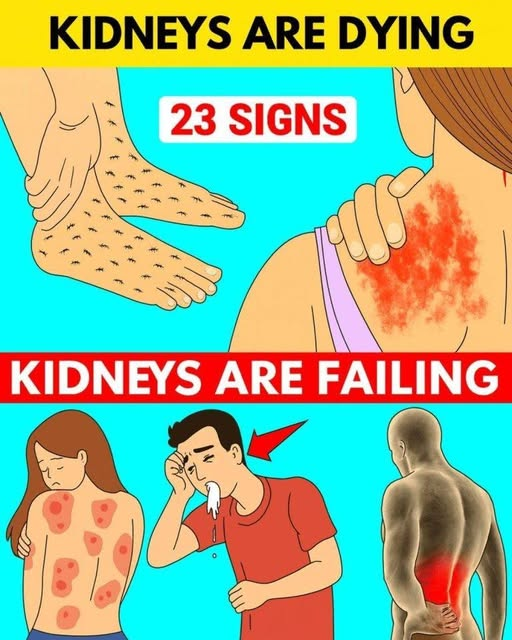
Important: Not Every Rash or Back Pain Means Kidney Failure
Some social media images suggest that a rash on the back, ordinary lower-back pain, or visible changes in the feet are definite signs that the kidneys are failing.
This is misleading.
Most rashes are not caused by kidney disease, and ordinary back pain frequently comes from muscles, joints, or the spine.
Pain related to certain kidney conditions may occur in the flank, near the side of the back below the ribs. However, chronic kidney disease often develops without pain.
If you have a persistent rash, unexplained pain, or another concerning symptom, a healthcare professional can help identify the cause.
Who Is More Likely to Develop Kidney Disease?
Some people have a higher risk of developing chronic kidney disease.
Important risk factors include:
Diabetes
High blood pressure
Cardiovascular disease
A family history of kidney failure
Previous acute kidney injury
Certain autoimmune or inherited conditions
People with these risk factors may benefit from regular kidney testing, even when they feel completely healthy.
How Do Doctors Check Kidney Function?
Symptoms alone cannot confirm kidney disease. Healthcare professionals commonly use two important tests.
Blood Test: eGFR
An estimated glomerular filtration rate, or eGFR, helps assess how well the kidneys filter waste from the blood.
The result is generally calculated using blood creatinine levels and other relevant information.
Urine Test: uACR
The urine albumin-to-creatinine ratio, or uACR, checks for albumin leaking into the urine.
Elevated urine albumin can be an indication of kidney damage, even when kidney filtration remains relatively preserved.
Doctors may repeat abnormal tests to confirm persistent changes and determine whether further investigation is necessary.
How Can You Help Protect Your Kidneys?
Although not every kidney condition can be prevented, several habits can help reduce the risk of kidney damage.
Manage blood pressure. Follow your treatment plan and monitor your readings as advised.
Control diabetes when present. Work with your healthcare team to manage blood glucose and cardiovascular risk.
Use medications responsibly. Frequent or excessive use of certain pain relievers, particularly nonsteroidal anti-inflammatory drugs such as ibuprofen, can damage the kidneys in some circumstances.
Eat a balanced diet. Reduce excessive sodium intake and follow individualized dietary advice if you already have kidney disease.
Stay appropriately hydrated. Drink enough fluids for your circumstances, but do not force excessive water intake. People with certain heart or kidney conditions may need fluid restrictions.
Avoid smoking. Smoking increases cardiovascular risk and can contribute to kidney damage.
Attend recommended screening appointments. Testing can identify kidney problems before symptoms appear.
When Should You Seek Medical Attention?
Arrange a medical appointment if you notice persistent swelling, changes in urination, blood in the urine, unexplained fatigue, or other ongoing symptoms.
Seek urgent or emergency medical care for:
Sudden or severe difficulty breathing
Chest pain
A marked decrease in urine output, especially with illness
Severe confusion or loss of consciousness
Rapidly worsening swelling with significant breathing difficulties
These symptoms can indicate serious medical conditions that require prompt evaluation.
Frequently Asked Questions
1. Can kidney disease develop without symptoms?
Yes. Early chronic kidney disease often causes no noticeable symptoms. Blood and urine tests are important for people with relevant risk factors.
2. Does foamy urine always mean kidney damage?
No. Foamy urine can have harmless explanations, but persistent foam may indicate protein in the urine and should be checked.
3. Can kidney disease cause itching?
Yes, particularly in more advanced stages. However, itching has many possible causes and is not a reliable way to diagnose kidney disease.
4. Is lower-back pain a definite sign of kidney failure?
No. Most lower-back pain is not caused by kidney failure. Some kidney conditions can cause flank pain, but chronic kidney disease often develops without pain.
5. Can kidney function improve?
It depends on the cause. Some forms of acute kidney injury may improve with appropriate treatment. Chronic kidney disease is often not reversible, but treatment can help slow progression and reduce complications.
6. What is the best way to know whether my kidneys are healthy?
Talk with a healthcare professional about kidney screening, especially if you have diabetes, high blood pressure, cardiovascular disease, or a family history of kidney failure. Blood eGFR and urine uACR tests are commonly used.
Final Thoughts
Kidney disease can affect several parts of the body, but no list of symptoms can replace a proper medical assessment.
The 23 signs discussed here are possible symptoms or associated findings, not a checklist that proves your kidneys are failing.
The most important message is that early kidney disease may be silent. Knowing your risk factors, managing existing health conditions, and getting appropriate blood and urine tests can help identify problems before serious complications develop.
Medical Disclaimer
This article is intended for general educational purposes only. It does not provide a medical diagnosis or replace advice from a qualified healthcare professional. If you have persistent or concerning symptoms, seek appropriate medical care.
References
National Institute of Diabetes and Digestive and Kidney Diseases (NIDDK): What Is Chronic Kidney Disease in Adults?
National Kidney Foundation: Chronic Kidney Disease — Signs, Symptoms, and Diagnosis.
NHS: Chronic Kidney Disease — Symptoms.
NIDDK: Chronic Kidney Disease Tests and Diagnosis.