What the Color of Your Urine Can Tell You About Your Health
Have you ever looked at the color of your urine and wondered whether it says something about your health? Although it may not be a topic people discuss often, urine color can offer useful clues about hydration, diet, medications, and certain medical conditions.
Urine is produced by the kidneys as they filter waste products and excess water from the blood. Its color can change throughout the day depending on how much fluid you drink, what you eat, and whether you take certain medications or supplements.
Most variations are harmless. However, some changes deserve medical attention, especially when they persist or occur alongside other symptoms.
Let's explore what different urine colors may mean and when it is important to speak with a healthcare professional.
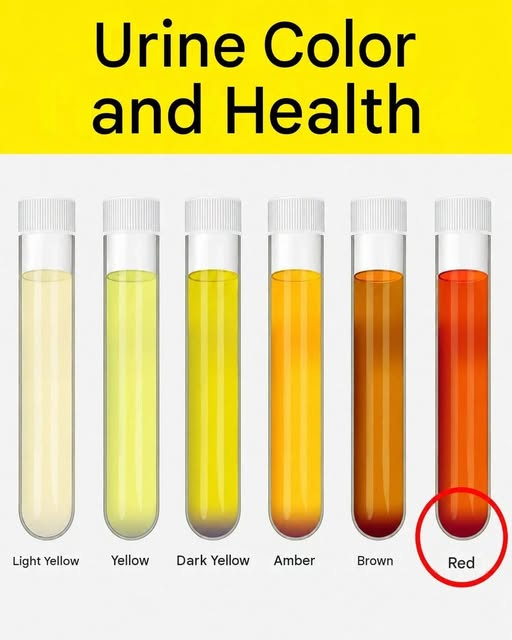
1. Pale Yellow Urine: A Common Healthy Color
Pale yellow or light straw-colored urine is generally considered normal. Its yellow pigment comes from substances produced when the body breaks down old blood cells.
When you drink enough fluids for your body's needs, urine is usually more diluted and lighter in color.
What it may indicate: Adequate hydration, although color alone cannot confirm that your kidneys are healthy.
You do not need to force yourself to drink excessive amounts of water to keep your urine completely clear. Your fluid needs depend on factors such as your activity level, climate, and medical conditions.
2. Bright Yellow Urine: Could Vitamins Be Responsible?
Bright or vivid yellow urine is often harmless. One common explanation is the use of vitamin supplements, particularly those containing B vitamins such as riboflavin, also known as vitamin B2.
The body excretes excess riboflavin through urine, which can give it a noticeably bright yellow appearance.
What you can do: Consider whether you recently started taking a multivitamin or B-complex supplement. If the color change coincides with supplement use and you have no other symptoms, it may simply reflect the vitamins being excreted.
Do not assume that every color change is caused by vitamins. Persistent unexplained changes should be discussed with a healthcare professional.
3. Dark Yellow Urine: A Possible Sign of Dehydration
Dark yellow urine often occurs when the body has less available fluid. The urine becomes more concentrated, making its yellow pigment appear stronger.
This can happen after sweating, exercising, spending time in hot weather, or drinking less than your body needs.
What may help:
Drink fluids regularly throughout the day.
Replace fluids lost through sweating or exercise.
Pay attention to thirst and changes in urine color.
Follow any fluid restrictions prescribed for a heart or kidney condition.
If your urine remains unusually dark despite appropriate fluid intake, or you develop dizziness, weakness, or reduced urination, seek medical advice.
4. Amber or Orange Urine: Several Possible Causes
Amber or orange urine may occur with dehydration, certain vitamins, or particular medications.
Some medicines used for urinary discomfort, as well as certain antibiotics and other prescription drugs, can change urine color.
However, orange urine can sometimes indicate a problem involving the liver or bile ducts, especially when accompanied by yellowing of the skin or eyes or unusually pale stools.
What to do: Review any recent medication or supplement changes and maintain appropriate hydration if you are able to drink fluids normally.
If orange urine persists without an obvious explanation, arrange a medical assessment. Seek prompt care if it occurs with yellow skin or eyes, pale stools, or significant abdominal pain.
5. Brown or Tea-Colored Urine: Do Not Ignore Persistent Changes
Dark brown urine can have several causes, including severe dehydration, certain medications, liver conditions, or blood in the urine.
In some cases, muscle injury after unusually intense exercise can release a protein called myoglobin into the bloodstream. This can darken the urine and may damage the kidneys.
Brown urine is not proof that someone has kidney disease, but it deserves attention when the cause is unclear.
Seek prompt medical advice if your urine looks like tea or cola and the color persists, particularly if you also experience muscle pain, weakness, reduced urination, or yellowing of the skin or eyes.
If dark urine follows intense exercise and is accompanied by severe muscle pain or weakness, seek urgent medical care.
6. Pink or Red Urine: Could It Be Blood?
Red or pink urine can sometimes result from foods such as beetroot or from certain medications. However, it can also indicate blood in the urine, a condition known as hematuria.
Possible causes include:
Urinary tract infections.
Kidney or bladder stones.
Prostate-related conditions.
Injury to the urinary tract.
Other kidney or bladder disorders.
Blood in the urine may occur with pain, burning during urination, or frequent urges to urinate. However, it can also appear without pain.
Important: If your urine looks pink or red and you cannot clearly explain the change, seek prompt medical assessment, even if it happens only once or you feel otherwise well. Visible blood should not be dismissed as a normal change.
7. Clear or Colorless Urine: Are You Drinking Too Much Water?
Urine that is almost completely clear may mean that you have consumed a large amount of fluid. Occasional clear urine is generally not concerning.
However, consistently producing large amounts of very dilute urine can sometimes be associated with medical conditions or medications that affect fluid balance.
Drinking excessive amounts of water in a short period can also dangerously lower the sodium concentration in your blood.
What may help: Drink according to your body's needs rather than forcing yourself to reach an arbitrary amount. If your urine is consistently colorless and you experience excessive thirst or frequent urination, discuss these symptoms with a healthcare professional.
People with certain heart or kidney conditions should follow their clinician's fluid recommendations rather than increasing water intake on their own.
8. Cloudy or Milky Urine: When to Pay Attention
Cloudy urine may result from crystals, mucus, or other substances in the urine. It can also occur with urinary tract infections or kidney stones.
Possible accompanying symptoms include:
Burning or pain during urination.
Frequent or urgent urination.
Unpleasant-smelling urine.
Lower abdominal discomfort.
Fever or pain in the back or side.
Cloudiness alone does not prove that you have an infection.
If cloudy urine persists or occurs with urinary symptoms, contact a healthcare professional. Fever, chills, or pain in the side or back may indicate a more serious infection that requires prompt assessment.
9. Green or Blue Urine: Often Linked to Medicines or Dyes
Green or blue urine is uncommon and can be surprising. In some cases, the explanation is a medication, medical dye, or artificial food coloring.
Certain medicines can produce blue-green or greenish urine. Less commonly, specific infections or medical conditions can be responsible.
What to do: Check whether you have recently started a new medication or undergone a medical procedure involving dyes. Do not stop prescribed treatment solely because your urine changes color.
If the change is unexplained, persists, or occurs alongside pain, fever, or other symptoms, seek medical advice.
Can Urine Color Tell You Whether Your Kidneys Are Healthy?
Urine color can provide useful clues, but it cannot reliably diagnose kidney disease or confirm that your kidneys are functioning normally.
For example, pale yellow urine does not rule out kidney problems. Some people with early kidney disease have no noticeable symptoms, and their urine may look completely normal.
Other changes, such as persistent foamy urine, can sometimes indicate excess protein in the urine. However, occasional foam may occur for harmless reasons too.
When necessary, healthcare professionals may recommend:
Urinalysis: Checks urine for blood, protein, and other substances.
Urine albumin testing: Helps detect albumin, a protein that can indicate kidney damage.
Blood creatinine and eGFR tests: Help assess how well the kidneys filter waste.
These tests provide more reliable information than appearance alone.
When Should You See a Doctor About Urine Color?
Seek medical advice if you notice:
Red or pink urine that could contain blood, even if it occurs only once.
Persistent brown, tea-colored, or unexplained orange urine.
A significant reduction in the amount of urine you produce.
Persistent changes accompanied by pain, fever, or burning during urination.
Yellowing of the eyes or skin, particularly with dark urine or pale stools.
Persistent excessive thirst and frequent urination.
Seek emergency care if you cannot urinate, have severe pain with heavy bleeding or clots, or develop dark urine with severe muscle pain and weakness.
Five Simple Habits That Support Urinary and Kidney Health
1. Stay appropriately hydrated. Drink enough fluid for your individual needs, adjusting for activity and weather.
2. Use medications responsibly. Some prescription drugs, painkillers, vitamins, and supplements can change urine color or affect kidney function.
3. Manage blood pressure and blood sugar. High blood pressure and diabetes are important risk factors for chronic kidney disease.
4. Do not ignore persistent urinary symptoms. Changes in color, frequency, or comfort can sometimes indicate a condition that needs treatment.
5. Attend recommended health checks. People with diabetes, high blood pressure, or other kidney disease risk factors may benefit from regular kidney function testing.
Frequently Asked Questions
What is the healthiest color for urine?
Pale yellow or light straw-colored urine is generally normal. However, urine color varies naturally, and it cannot establish whether your kidneys are healthy.
Does dark yellow urine always mean dehydration?
No. Dehydration is a common cause, but vitamins, medications, and other factors can also influence urine color.
Can kidney problems cause red urine?
Yes. Blood in the urine can occur with certain kidney conditions, stones, infections, and other urinary tract disorders. Red urine can also have harmless causes, but unexplained visible blood needs medical evaluation.
Is clear urine better than yellow urine?
Not necessarily. Clear urine can occur after drinking a lot of water, but constantly forcing urine to remain clear is unnecessary and can be harmful if it involves excessive fluid intake.
Should I drink more water if my urine is brown?
If you suspect mild dehydration and have no medical fluid restrictions, drinking fluids may help. However, brown or tea-colored urine can have serious causes, so do not rely on water alone if the color is unexplained, persistent, or accompanied by other symptoms.
Final Thoughts
Your urine can offer useful clues about hydration, diet, medications, and possible health problems. Pale yellow urine is common, while darker shades may reflect concentrated urine. Red, persistent brown, or unexplained orange urine deserves particular attention.
Still, color is only one piece of the picture. Symptoms, medical history, medications, and laboratory tests are often needed to understand what is happening.
The most important takeaway is simple: Notice changes, but do not diagnose yourself by color alone. If an unusual change persists or you see blood in your urine, seek medical advice.
Medical disclaimer: This article is for general educational purposes and is not a substitute for professional medical advice, diagnosis, or treatment.