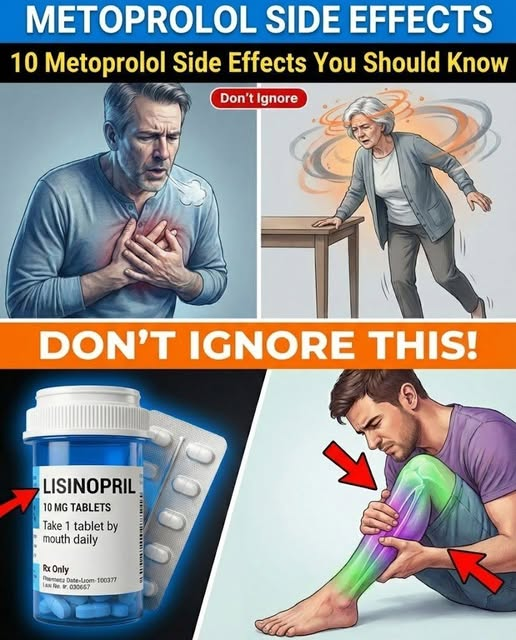
10 Metoprolol Side Effects You Should Know and When to Seek Help
Metoprolol is a widely prescribed medication that helps manage high blood pressure, chest pain (angina), certain heart rhythm problems, and some forms of heart failure. It belongs to a group of medicines called beta blockers, which slow the heart rate and reduce the workload on the heart.
Although metoprolol can be an important part of heart treatment, it may cause side effects in some people. Knowing which symptoms are common, which deserve medical attention, and how to manage them safely can help you feel more confident about your treatment.
Important: Never stop taking metoprolol suddenly without medical advice. Abruptly stopping this medication can worsen heart problems and may increase the risk of chest pain or other serious complications.
1. Unusual Tiredness or Fatigue
Feeling tired or less energetic is a commonly reported side effect of metoprolol. Because the medication slows the heart rate and lowers blood pressure, some people notice reduced energy, especially when first starting treatment or after a dose change.
What may help:
Get consistent, adequate sleep.
Increase physical activity gradually, as advised by your healthcare professional.
Discuss persistent or severe fatigue with your doctor.
Do not assume that ongoing exhaustion is necessarily caused by metoprolol. Anemia, sleep problems, heart conditions, and other medications may also contribute.
2. Dizziness or Lightheadedness
Metoprolol can lower blood pressure and slow the heart rate, which may cause dizziness or lightheadedness. These symptoms may be more noticeable when standing up quickly.
What may help:
Sit or lie down if you feel dizzy.
Stand up slowly after sitting or lying down.
Avoid driving or operating machinery while you feel lightheaded.
Ask your clinician whether your blood pressure and heart rate need to be checked.
Seek prompt medical advice if dizziness keeps returning or becomes severe. Fainting or dizziness accompanied by chest pain or breathing difficulty requires urgent assessment.
3. A Slow Heart Rate
Metoprolol works partly by slowing the heartbeat. For many patients, this is an intended therapeutic effect. However, the heart rate can sometimes become excessively slow.
Possible warning signs include unusual weakness, dizziness, fainting, confusion, or feeling as though you might collapse.
What to do:
Contact your healthcare professional if you notice a new or unusually slow heartbeat, particularly if you have symptoms. Seek emergency care for fainting, collapse, chest pain, or severe breathing difficulty.
Do not adjust your dose based solely on a smartwatch reading or an isolated heart-rate measurement without professional guidance.
4. Cold Hands and Feet
Some people taking metoprolol notice that their hands or feet feel colder than usual. Beta blockers can affect circulation in the extremities in certain individuals.
What may help:
Wear warm socks and gloves when needed.
Keep your hands and feet comfortably warm.
Tell your doctor if the symptom persists or affects daily activities.
Sudden severe pain, marked color changes, numbness, or a cold limb should be assessed urgently, as these symptoms may indicate a circulation problem.
5. Digestive Problems
Metoprolol may cause digestive symptoms such as diarrhea, nausea, or abdominal discomfort in some people.
What may help:
Eat regular meals and maintain adequate hydration, unless you have been advised to restrict fluids.
Follow the instructions supplied with your medication.
Speak with a pharmacist before using over-the-counter treatments if you take other medicines or have underlying health conditions.
Contact your clinician if digestive symptoms are severe, persistent, or accompanied by signs of dehydration.
6. Headaches
Headaches may occur while taking metoprolol, particularly when treatment begins or the dose changes. They may improve as your body adjusts.
What may help:
Rest in a quiet environment.
Drink fluids as appropriate for your health.
Ask your pharmacist which pain reliever is suitable for you.
A sudden, extremely severe headache, or a headache accompanied by weakness, confusion, difficulty speaking, or changes in vision, requires urgent medical assessment.
7. Sleep Disturbances or Unusual Dreams
Some people report sleep problems or unusual dreams while taking beta blockers, including metoprolol. Not everyone experiences these effects, and sleep changes can have other causes.
What may help:
Maintain a regular sleep and wake schedule.
Limit caffeine late in the day.
Record when the symptoms occur and discuss them with your doctor if they persist.
Do not change the timing or dose of your medication without checking with your healthcare professional.
8. Mood Changes
Some patients report low mood or depressive symptoms while taking metoprolol. The relationship between beta blockers and mood changes can vary, and other factors may be involved.
What may help:
Tell your healthcare professional about persistent changes in mood, motivation, or sleep.
Review your other medications and health conditions with your clinician.
Seek support if symptoms affect your daily life.
If you experience thoughts of self-harm, seek immediate help from local emergency services or a trusted healthcare professional.
9. Shortness of Breath or Wheezing
Metoprolol is designed to act mainly on beta-1 receptors in the heart, but it can affect breathing in some people, particularly those with asthma or certain other lung conditions.
New or worsening shortness of breath, wheezing, or chest tightness should not be dismissed as a routine side effect.
What to do:
Seek urgent medical assessment if you develop new breathing difficulties. Call emergency services if you have severe shortness of breath, significant chest tightness, blue or gray lips, or difficulty speaking because of breathlessness.
10. Swelling of the Legs or Unexplained Weight Gain
Swelling of the feet, ankles, or lower legs and unexplained weight gain can sometimes occur in people taking metoprolol. However, these symptoms can also indicate fluid retention or worsening heart failure, among other conditions.
What may help:
Contact your healthcare professional promptly if new swelling or unexplained weight gain develops.
Follow any weight-monitoring instructions provided by your heart-care team.
Do not start diuretics or change existing medication without medical advice.
Swelling accompanied by shortness of breath, difficulty breathing while lying down, or chest pain requires urgent medical evaluation.
When Should You Seek Emergency Medical Help?
Some symptoms require immediate attention rather than waiting for a routine appointment.
Seek emergency care if you experience:
Chest pain that is new, severe, or worsening.
Severe difficulty breathing or sudden wheezing.
Fainting or collapse.
A severe allergic reaction, including swelling of the tongue or throat.
A very slow heartbeat accompanied by severe weakness, confusion, or fainting.
If you have been diagnosed with angina, follow the emergency plan your healthcare professional has provided for chest pain.
How to Take Metoprolol More Safely
A few practical habits can help you use metoprolol safely:
Take it exactly as prescribed. Do not take extra doses, skip doses intentionally, or change the schedule without medical advice.
Do not stop suddenly. Abrupt withdrawal can worsen angina and other heart problems. If you need to discontinue treatment, your clinician can advise you on the appropriate approach.
Monitor your blood pressure and heart rate when advised. Keep a record of readings and any symptoms you experience.
Review other medicines. Tell your doctor and pharmacist about all prescription medications, over-the-counter products, vitamins, and supplements. Some medicines can increase the risk of a slow heartbeat or low blood pressure when combined with metoprolol.
Tell your healthcare professional about asthma, diabetes, or circulation problems. These conditions may affect how metoprolol should be used and monitored. Metoprolol can also mask some warning signs of low blood sugar, particularly a fast heartbeat.
Attend follow-up appointments. Your healthcare professional can determine whether the medication is working as intended and whether any side effects need attention.
Frequently Asked Questions
Can metoprolol cause muscle or joint pain?
Muscle or joint discomfort is not among the most characteristic common side effects, although individual reactions vary. Persistent or severe pain should be assessed, particularly if it begins after starting a medication or changing a dose.
Can metoprolol cause swelling in the legs?
Swelling has been reported, but it should not automatically be attributed to metoprolol. Leg swelling may have several causes, including heart-related fluid retention. Contact your healthcare professional if it develops or worsens.
Do metoprolol side effects improve over time?
Some side effects, such as mild tiredness or dizziness, may improve as the body adjusts. Others may persist or require treatment changes. Consult your doctor if symptoms are troublesome, worsening, or affecting daily activities.
Should I stop taking metoprolol if I feel dizzy?
Do not stop the medication abruptly. Sit or lie down if you feel dizzy, avoid driving while symptomatic, and contact your healthcare professional if the problem persists or is severe. Seek urgent help if you faint or experience chest pain or breathing difficulties.
What if I accidentally take too much metoprolol?
An overdose can cause a dangerously slow heartbeat, low blood pressure, breathing difficulties, or loss of consciousness. Seek urgent medical assistance if you think you have taken too much, especially if symptoms occur.
Final Thoughts
Metoprolol helps many people manage important heart conditions, but it is worth understanding its potential side effects. Fatigue, dizziness, cold hands and feet, headaches, and digestive symptoms may occur, while breathing difficulties, fainting, worsening swelling, and chest pain require particular attention.
Pay attention to new symptoms, keep follow-up appointments, and discuss concerns with your healthcare professional. Never stop or change your prescribed metoprolol dose without medical guidance.
Medical Disclaimer
This article is for educational purposes only and does not replace professional medical advice, diagnosis, or treatment. Side effects and risks vary depending on the individual, the formulation, the dose, and other health conditions. Consult a qualified healthcare professional about your specific situation.