Blood Pressure Medication and Heart Failure: What You Should Know
High blood pressure affects millions of adults and is one of the major risk factors for heart disease. Medication can help control blood pressure and reduce the risk of heart attacks, strokes, and other serious complications.
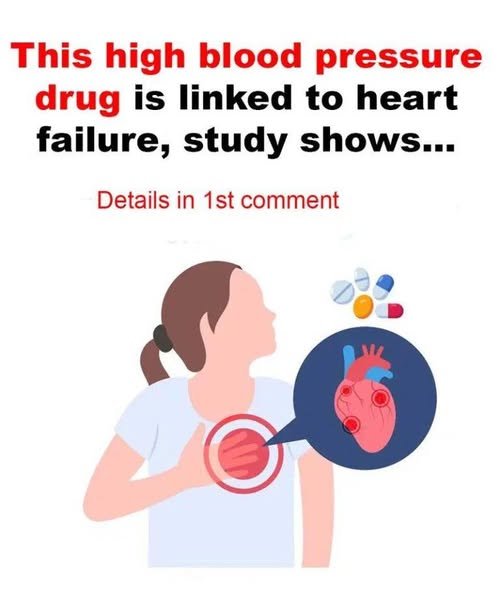
However, headlines claiming that a blood pressure drug is linked to heart failure can understandably cause concern. Does this mean certain medications are dangerous? Should you stop taking your prescription?
The answer depends on the specific medication, the patient's health, and the evidence behind the reported findings.
Can Blood Pressure Medication Be Linked to Heart Failure?
Some medications can affect the heart differently depending on the circumstances. Certain drugs may worsen existing heart failure in particular patients, while others are commonly used to treat heart failure and improve outcomes.
For example, some calcium channel blockers may cause fluid retention or swelling in the ankles. Certain medications in this class may be unsuitable for people with specific types of heart failure, while others can be used safely under medical supervision.
Beta blockers, ACE inhibitors, angiotensin receptor blockers (ARBs), and other medications may be prescribed to manage high blood pressure. Several of these drug classes also play important roles in treating particular forms of heart failure.
There is no single conclusion that applies to every blood pressure medication. The exact drug and the details of the study matter.
5 Important Facts About Blood Pressure Drugs
1. Different Medications Have Different Effects
Blood pressure medications work in different ways. Some relax blood vessels, some reduce fluid retention, and others slow the heart rate or reduce the effects of hormones that raise blood pressure.
Because their mechanisms differ, their benefits, side effects, and suitability for individual patients also differ.
2. Swelling Can Be a Medication Side Effect
Some blood pressure drugs, particularly certain calcium channel blockers, can cause swelling around the ankles and feet.
This does not automatically mean someone has heart failure. However, new or worsening swelling should be discussed with a healthcare professional, especially when accompanied by breathlessness or rapid weight gain.
3. Heart Failure Has Several Possible Causes
Heart failure occurs when the heart cannot pump blood effectively enough to meet the body's needs or has difficulty filling properly.
Long-standing high blood pressure can contribute to heart failure by making the heart work harder over time. Other causes include coronary artery disease, previous heart attacks, heart valve problems, and certain heart muscle diseases.
The underlying cause must be considered when evaluating a patient's medication.
4. Stopping Medication Suddenly Can Be Dangerous
If a news report raises concerns about your prescription, do not stop taking it on your own.
Suddenly discontinuing certain medications, including some beta blockers, can cause serious problems. Uncontrolled blood pressure can also increase the risk of stroke, heart attack, and heart failure.
Ask your doctor or pharmacist whether the reported risk applies to your specific medication and medical history.
5. Regular Monitoring Helps Protect Your Heart
Checking your blood pressure, attending medical appointments, and reporting new symptoms can help your healthcare team determine whether your treatment is working properly.
Depending on the medication and your medical history, your clinician may recommend blood tests, kidney function monitoring, electrolyte testing, or other assessments.
Warning Signs You Should Never Ignore
Heart failure symptoms may develop gradually or appear suddenly. Possible signs include:
Shortness of breath during ordinary activities or while lying down.
Swelling in the legs, ankles, or feet.
Unusual fatigue or weakness.
Rapid weight gain caused by fluid retention.
Persistent coughing or difficulty breathing at night.
These symptoms can have causes other than heart failure, but they deserve medical attention.
Seek emergency medical care if you experience severe shortness of breath, chest pain, fainting, or sudden severe symptoms.
How to Take Blood Pressure Medication Safely
A few simple habits can help you manage your treatment more effectively.
Take medication according to your prescription.
Check your blood pressure as recommended by your healthcare professional.
Tell your doctor about supplements and over-the-counter medicines you use.
Ask before taking anti-inflammatory pain relievers regularly, as some can raise blood pressure or affect kidney function.
Report new swelling, dizziness, persistent coughing, or other troublesome side effects.
Keep a current list of your medications and dosages.
Do not change your dose or combine medications without professional advice.
Frequently Asked Questions
Can blood pressure medication cause heart failure?
The answer depends on the medication and the patient's condition. Some drugs may worsen certain forms of heart failure or cause side effects that require attention. Other blood pressure medications are important treatments for heart failure itself.
Should older adults be concerned about these medications?
Older adults may be more sensitive to side effects such as dizziness, low blood pressure, and falls. Their treatment should be individualized, with medication reviews and monitoring when appropriate.
What is the safest blood pressure medication?
There is no single safest medication for everyone. The right choice depends on blood pressure levels, age, kidney function, other medical conditions, and potential drug interactions.
What should I do if I experience side effects?
Contact your healthcare professional to discuss your symptoms and treatment options. Seek urgent care for severe breathing difficulties, chest pain, fainting, or other emergency symptoms.
Final Thoughts
Blood pressure medications are an important tool for preventing serious cardiovascular complications. Although some drugs have specific risks and side effects, the benefits of appropriate treatment often outweigh the risks.
When you see a headline claiming that a blood pressure medication is linked to heart failure, look for the drug's exact name, the study findings, and whether the evidence shows a genuine cause-and-effect relationship.
Never stop a prescribed medication because of a social media post. Speak with a qualified healthcare professional to understand what the evidence means for your individual health.