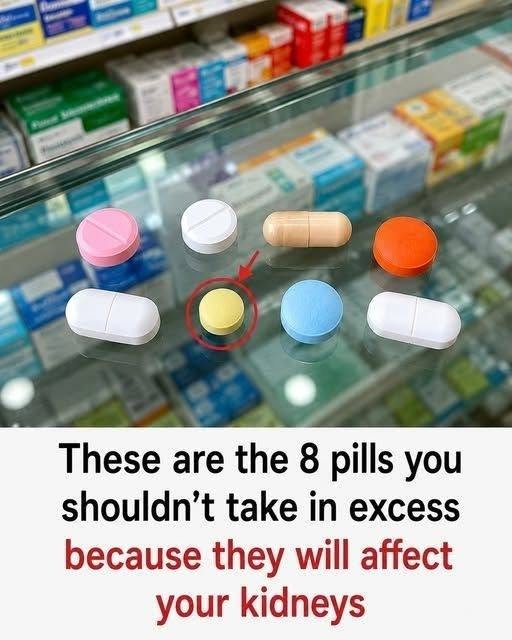
Understanding 8 Common Medications That May Affect Kidney Health When Taken in Excess
Your kidneys work around the clock to filter waste from your blood, balance fluids and minerals, and help regulate blood pressure. Because these organs play such an important role in overall health, protecting them is essential.
What many people do not realize is that certain medications can affect kidney function, especially when taken in excessive amounts, used without appropriate monitoring, or combined with other medicines during dehydration or illness.
This does not mean that you should avoid necessary medication. Many medicines that require special care are essential for treating serious conditions. The key is knowing the potential risks and using medications correctly.
Here are eight medication categories to understand, along with practical steps that may help protect your kidney health.
1. Nonsteroidal Anti-Inflammatory Drugs (NSAIDs)
Common pain relievers are among the most important medications to consider when discussing kidney safety.
Examples include:
Ibuprofen.
Naproxen.
Diclofenac.
These medications reduce pain and inflammation. However, they can also reduce blood flow to the kidneys, potentially causing acute kidney injury in susceptible people.
The risk is higher with large doses, prolonged use, existing kidney disease, dehydration, and certain medication combinations.
How to use them more safely: Follow the recommended dose and duration. If you have kidney disease, high blood pressure, heart failure, or take certain blood pressure medications, ask a healthcare professional before using NSAIDs.
Do not assume that an over-the-counter medicine is harmless simply because it is readily available.
2. Certain Antibiotics
Antibiotics treat bacterial infections, but some can affect the kidneys directly or accumulate in the body when kidney function is reduced.
Examples include gentamicin and vancomycin, which can cause kidney injury in certain circumstances. Other antibiotics may require dose adjustments in people with impaired kidney function.
The risk depends on the particular antibiotic, dose, duration, other medications, and the person's health.
How to use them more safely:
Take antibiotics exactly as prescribed.
Do not use leftover antibiotics without medical advice.
Tell your prescriber if you have kidney disease.
Attend recommended blood tests when monitoring is needed.
An untreated infection can also damage the kidneys, so necessary antibiotics should not be avoided simply because potential side effects exist.
3. Proton Pump Inhibitors (PPIs)
Proton pump inhibitors reduce stomach acid and are commonly prescribed for acid reflux, heartburn, and certain stomach conditions.
Examples include omeprazole, pantoprazole, and lansoprazole.
These medications are effective for many patients. However, they have been associated with uncommon kidney problems, including acute interstitial nephritis, an inflammatory reaction affecting the kidneys. Research has also identified associations between prolonged PPI use and chronic kidney disease, although an association does not prove that the medication caused the disease in every case.
How to use them more safely: Take them for the reason and duration recommended by your healthcare professional. If you have been using one long-term, ask whether continued treatment is appropriate.
Do not stop a prescribed medication without discussing the risks and benefits with your clinician.
4. Certain Diuretics, or Water Pills
Diuretics help the body remove excess salt and water through urine. They are often prescribed for high blood pressure, heart failure, and fluid retention.
Examples include furosemide and hydrochlorothiazide.
These medicines can be very beneficial, but excessive fluid loss may lead to dehydration, low blood pressure, or electrolyte disturbances. In some circumstances, these changes can reduce kidney function.
How to use them more safely:
Follow your prescribed dose and any fluid or dietary instructions. Contact your healthcare professional if you develop persistent vomiting, diarrhea, dizziness, or a substantial reduction in urine output.
People taking diuretics may need periodic monitoring of kidney function and blood electrolyte levels.
Importantly, diuretics do not automatically damage the kidneys. When prescribed appropriately, they can help manage conditions that would otherwise harm the heart and kidneys.
5. ACE Inhibitors and Angiotensin Receptor Blockers (ARBs)
These two groups of blood pressure medications are widely used to treat hypertension and certain heart conditions. They can also help protect kidney function in many people with chronic kidney disease, particularly those with albumin in their urine.
Examples include:
Lisinopril and ramipril, which are ACE inhibitors.
Losartan and valsartan, which are ARBs.
These medicines can cause an expected change in kidney blood tests after treatment begins. In some circumstances, however, kidney function can deteriorate significantly, particularly during dehydration or when other risk factors are present.
They can also increase potassium levels in the blood.
How to use them more safely: Follow your prescription and attend recommended blood tests for kidney function and potassium, especially after starting treatment or changing the dose.
Do not stop these medications solely because you read that they may affect the kidneys. For many patients, their long-term kidney and cardiovascular benefits are substantial.
6. Lithium
Lithium is a medication used to treat certain mood disorders. It can be effective when carefully prescribed and monitored.
However, lithium is processed by the kidneys, and long-term use can affect kidney function in some people. Lithium can also cause a condition in which the kidneys cannot concentrate urine normally, leading to excessive urination and thirst.
Dehydration and certain medication interactions can raise lithium levels, potentially causing serious toxicity.
How to use it more safely:
Attend scheduled lithium blood tests and kidney function checks.
Tell your healthcare professional about all medicines and supplements you use.
Seek medical advice promptly if you develop vomiting, diarrhea, or significant dehydration.
Report new excessive thirst or urination.
Never change or discontinue lithium without medical supervision.
7. Certain Antiviral and Antifungal Medications
Some medications used to treat viral or fungal infections can affect kidney function or accumulate when the kidneys are not working properly.
Examples include acyclovir and amphotericin B. The risks vary depending on the specific drug, dose, route of administration, hydration status, and existing kidney function.
Some medications in these groups require dose adjustments or closer monitoring for people with kidney disease.
How to use them more safely: Tell your prescriber about any history of kidney problems and follow instructions about fluids, dosing, and laboratory monitoring.
If you notice a substantial reduction in urination or develop new swelling while receiving treatment, seek medical advice promptly.
These medicines may be essential for treating serious infections, so their benefits must be weighed against their risks by a healthcare professional.
8. Certain Herbal Remedies and Dietary Supplements
Products marketed as natural are not necessarily safe for the kidneys.
Some herbal remedies may contain substances that directly affect kidney function, interact with prescription medicines, or contain contaminants or undeclared ingredients. Excessive use of certain vitamin or mineral supplements can also create problems.
For example, very high doses of vitamin C may increase the risk of kidney stones in susceptible people, while excessive vitamin D can cause high calcium levels that may harm the kidneys.
The risks depend on the specific product, ingredients, dose, and individual health conditions.
How to use them more safely:
Tell your healthcare professional about all supplements and herbal products you take.
Avoid products that do not clearly identify their ingredients.
Do not use supplements as a replacement for prescribed treatment.
Ask a pharmacist whether a product is suitable if you have kidney disease.
Natural products can have powerful biological effects, and they deserve the same careful consideration as other substances you put into your body.
What Are the Warning Signs of Possible Kidney Problems?
Kidney problems do not always produce obvious symptoms in their early stages. Some people feel completely well even when their kidney function has begun to decline.
When symptoms occur, they may include:
Urinating much less than usual.
New swelling in the feet, ankles, or legs.
Persistent nausea or vomiting.
Unusual fatigue or weakness.
Blood in the urine.
Shortness of breath, particularly when fluid accumulates.
These symptoms can have many causes and do not automatically mean that a medication has damaged your kidneys.
Seek urgent medical attention if you experience a marked reduction in urine output, rapidly worsening swelling, severe weakness, confusion, or difficulty breathing.
A healthcare professional may recommend blood tests, urine tests, or other examinations to determine what is happening.
Who Is at Greater Risk of Medication-Related Kidney Problems?
Some people need additional precautions when taking medicines that can affect kidney function.
These include people who:
Already have chronic kidney disease.
Have diabetes or high blood pressure.
Have heart failure.
Are older adults, particularly those with multiple medical conditions.
Become dehydrated because of fever, vomiting, or diarrhea.
Take several medications that can affect kidney blood flow or fluid balance.
One particularly important combination involves an NSAID, an ACE inhibitor or ARB, and a diuretic. In susceptible people, especially during dehydration, this combination can substantially increase the risk of acute kidney injury.
If you take several medications, ask your doctor or pharmacist to review the complete list rather than assessing each medicine in isolation.
Five Practical Ways to Protect Your Kidneys
1. Follow the prescribed dose. Never increase a dose or take additional painkillers simply because your symptoms have not improved.
2. Check before combining medicines. Some prescription drugs, over-the-counter products, and supplements can interact in ways that increase kidney risks.
3. Be cautious during illness. Vomiting, diarrhea, and dehydration can change how your kidneys respond to certain medications. Ask your healthcare professional in advance whether you need a specific illness-management plan.
4. Attend recommended checkups. Blood tests measuring creatinine and estimated glomerular filtration rate (eGFR), along with urine tests when appropriate, can help identify kidney problems.
5. Never stop important medication on your own. Medicines for blood pressure, heart disease, infections, and other conditions can provide substantial benefits. Your clinician can determine whether a dose adjustment, temporary change, or alternative treatment is necessary.
Frequently Asked Questions
Can taking painkillers every day damage the kidneys?
Regular or excessive use of NSAIDs such as ibuprofen and naproxen can increase the risk of kidney injury, particularly in people with existing kidney disease or dehydration. If you need pain relief frequently, discuss safer options with your healthcare professional.
Can medications cause sudden kidney damage?
Yes. Certain medicines can contribute to acute kidney injury, especially when combined with dehydration, low blood pressure, severe illness, or other risk factors. Prompt medical evaluation can help identify the cause and guide treatment.
Do blood pressure medications harm the kidneys?
Some blood pressure medications can affect kidney function in particular circumstances, but ACE inhibitors and ARBs often protect the kidneys over the long term. Regular monitoring helps clinicians balance benefits and risks.
How can I tell whether my kidneys are healthy?
You cannot reliably determine kidney health from symptoms alone. Blood tests, including creatinine and eGFR, and urine tests for albumin can provide important information. Your healthcare professional can advise which tests are appropriate.
Should I drink extra water to flush medications out of my kidneys?
No. Drinking excessive amounts of water is not a reliable way to remove medications or prevent kidney injury. Staying adequately hydrated is important, but people with certain heart or kidney conditions may have prescribed fluid limits. Follow individualized medical advice.
Final Thoughts
Protecting your kidneys does not mean avoiding medication. It means understanding how medicines work, using them correctly, and recognizing when additional monitoring is needed.
NSAIDs, certain antibiotics, proton pump inhibitors, diuretics, some blood pressure medications, lithium, certain antiviral or antifungal drugs, and some supplements can all present kidney-related risks in particular circumstances.
The safest approach is to review your medications with a healthcare professional, attend recommended tests, and seek advice when you become ill or notice unusual symptoms.
Remember: Never stop a prescribed medication because of a general warning online. The right treatment plan depends on your individual health needs.
Medical disclaimer: This article is for educational purposes only and does not replace individualized medical advice, diagnosis, or treatment.