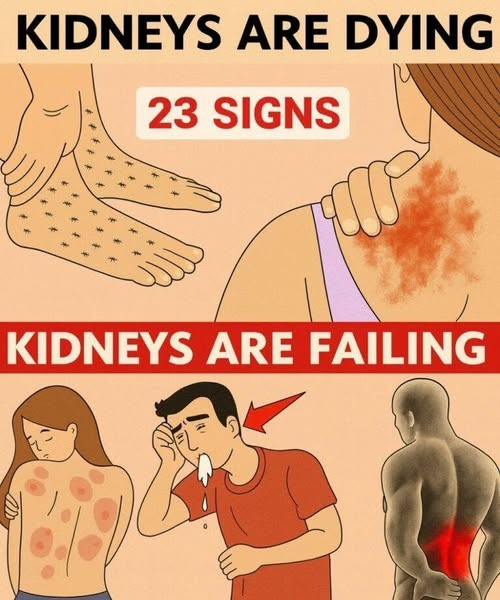
Your kidneys work around the clock to filter waste from your blood, balance fluids, regulate important minerals, and help control blood pressure. Despite their essential role, kidney problems can develop quietly, sometimes without noticeable symptoms until the condition becomes more advanced.
Although certain changes in your body may indicate a kidney problem, many symptoms are nonspecific and can have other causes. Recognizing persistent changes and knowing when to seek medical advice can help you protect your kidney health.
Here are 23 possible warning signs to understand, along with important information about kidney disease, testing, and prevention.
1. Swelling in the Feet and Ankles
When kidney function is impaired, the body may retain excess salt and fluid. This can contribute to swelling in the feet, ankles, or lower legs.
However, swelling can also result from heart conditions, vein problems, or certain medications. Persistent or unexplained swelling deserves medical assessment.
2. Puffiness Around the Eyes
Swelling around the eyes, especially in the morning, can sometimes occur when kidney disease causes protein to leak into the urine.
Occasional puffiness is common and does not automatically indicate a kidney problem. Persistent swelling accompanied by other symptoms should be checked.
3. Unusual Fatigue
Kidney disease may cause fatigue for several reasons, including anemia, disrupted sleep, and the buildup of waste products in the blood.
Feeling tired is common and has many possible explanations, but persistent exhaustion is worth discussing with a healthcare professional.
4. Changes in Urination Frequency
Some kidney conditions can affect how often you urinate. You might notice that you urinate more frequently, particularly at night.
These changes can also be associated with diabetes, urinary infections, prostate problems, or changes in fluid intake.
5. Foamy Urine
Urine that repeatedly appears unusually foamy may indicate excess protein in the urine, a possible sign of kidney damage.
Occasional bubbles can be normal, so appearance alone cannot establish a diagnosis. A urine test can help determine whether protein is present.
6. Blood in the Urine
Pink, red, brown, or tea-colored urine can sometimes indicate blood in the urinary tract.
Possible causes include kidney stones, infections, and kidney disease, as well as conditions affecting the bladder or other urinary structures.
Visible blood in the urine should be medically evaluated, even if it occurs only once.
7. Persistent Itching
Advanced kidney disease can cause itching because waste products and mineral imbalances may accumulate in the body.
However, itching is more commonly associated with numerous other causes, including dry skin, allergies, and skin conditions.
Persistent itching without an obvious explanation deserves medical advice.
8. Dry Skin
Dry skin can occur in people with advanced kidney disease, particularly when mineral and fluid balance is affected.
It is much more commonly related to environmental conditions, aging, or skin disorders, so it is not a reliable sign of kidney disease by itself.
9. Muscle Cramps
Muscle cramps may occur when kidney disease contributes to electrolyte imbalances, including changes in calcium, potassium, or other minerals.
Cramps can also result from exercise, dehydration, certain medications, and other conditions.
Frequent or severe cramps should be assessed rather than automatically treated with supplements.
10. Reduced Appetite
People with more advanced kidney disease may experience reduced appetite because of nausea, changes in taste, or the accumulation of waste products.
A persistent loss of appetite can also result from digestive problems, infections, depression, or other illnesses.
11. Nausea or Vomiting
Nausea and vomiting may occur in advanced kidney disease, but they are not specific to kidney problems.
Seek medical attention if these symptoms persist, prevent you from keeping fluids down, or occur alongside reduced urination or significant weakness.
12. A Metallic Taste in the Mouth
Some people with advanced kidney disease report a metallic taste or changes in how food tastes.
Dental problems, medications, infections, and other conditions can produce similar symptoms.
A persistent change in taste, especially with other unexplained symptoms, is worth discussing with your healthcare professional.
13. Difficulty Concentrating
Advanced kidney disease can contribute to problems with concentration or mental clarity through several mechanisms, including anemia and metabolic disturbances.
Difficulty concentrating can also result from poor sleep, stress, medication effects, and many other causes.
Sudden confusion or a sudden change in alertness requires urgent medical assessment.
14. Shortness of Breath
Kidney disease can contribute to shortness of breath if excess fluid accumulates in the lungs or anemia becomes significant.
Breathing difficulties may also indicate heart or lung disease.
Sudden or severe shortness of breath is an emergency, particularly when accompanied by chest pain or fainting.
15. High Blood Pressure
The kidneys help regulate blood pressure. Kidney disease can contribute to hypertension, while long-standing high blood pressure can damage the kidneys.
This relationship works in both directions, making blood pressure monitoring an important part of kidney health.
High blood pressure often causes no noticeable symptoms, so measuring it is more reliable than waiting for physical warning signs.
16. Lower Back or Side Pain
Pain in the side or back may occur with kidney stones, kidney infections, or certain other kidney conditions.
However, many kidney diseases cause no pain at all, and ordinary muscle or spinal problems are common causes of back discomfort.
Severe side pain, particularly with fever, vomiting, or blood in the urine, requires prompt medical assessment.
17. Frequent Urinary Tract Infections
Repeated urinary infections can sometimes be associated with structural problems, urinary obstruction, or other conditions affecting the urinary tract.
An infection does not necessarily mean that the kidneys are damaged, but recurrent infections should be evaluated to identify the cause.
18. Pain or Burning During Urination
Burning during urination is more commonly associated with a urinary tract infection or irritation than with chronic kidney disease itself.
If it occurs alongside fever, chills, or pain in the back or side, a kidney infection may be possible and needs prompt medical attention.
19. Changes in Urine Color
Urine can become darker when you are dehydrated, and certain foods or medications can change its color.
Persistent red, brown, or tea-colored urine, however, may indicate blood or another medical issue.
Do not rely on urine color alone to assess kidney function.
20. Producing Much Less Urine Than Usual
A significant decrease in urine output can occur with severe dehydration, urinary obstruction, acute kidney injury, or other serious conditions.
If you suddenly produce very little urine, particularly while feeling unwell, seek urgent medical advice.
21. Unexplained Weight Changes
Kidney disease may cause fluid retention, which can lead to rapid weight gain and swelling.
Unintentional weight loss can occur in advanced illness because of reduced appetite or other complications, but it has many possible causes.
Sudden weight changes accompanied by swelling or breathing difficulties deserve prompt assessment.
22. Trouble Sleeping
People with chronic kidney disease may experience sleep disturbances related to itching, restless legs, sleep apnea, or other symptoms.
Poor sleep alone does not suggest kidney disease, but persistent sleep problems combined with other unexplained symptoms should be discussed with a healthcare professional.
23. Anemia or Looking Paler Than Usual
Healthy kidneys produce a hormone called erythropoietin, which helps stimulate red blood cell production.
When kidney function declines, some people develop anemia, which can cause fatigue, weakness, pale skin, and shortness of breath during activity.
A blood test can help identify anemia and determine whether further investigation is needed.
Why Kidney Disease Can Be Difficult to Detect
One of the most important facts about chronic kidney disease is that it often causes no obvious symptoms in its early stages.
A person may feel perfectly well while kidney function is gradually declining. That is why symptoms alone cannot reliably confirm or rule out kidney disease.
Healthcare professionals commonly use two tests to assess kidney health:
Blood test: Measures creatinine and helps estimate the glomerular filtration rate (eGFR), an indicator of how well the kidneys filter blood.
Urine test: Checks for albumin, a protein that can appear in the urine when kidney filters are damaged.
People with diabetes, high blood pressure, cardiovascular disease, or a family history of kidney disease may need regular screening based on their individual risk.
Seven Ways to Help Protect Your Kidneys
1. Keep blood pressure under control
High blood pressure can damage kidney blood vessels over time. Monitor your blood pressure and follow your prescribed treatment plan.
2. Manage blood sugar
Diabetes is a leading cause of chronic kidney disease. If you have diabetes, regular monitoring and appropriate treatment can help reduce the risk of complications.
3. Stay appropriately hydrated
Drink fluids regularly according to your needs and medical advice. People with advanced kidney disease or heart failure may need specific fluid limits.
4. Reduce excess salt
A diet high in sodium can contribute to high blood pressure and fluid retention. Choose fresh foods more often and limit highly salted processed foods.
5. Be careful with pain medicines
Frequent or prolonged use of nonsteroidal anti-inflammatory drugs (NSAIDs), such as ibuprofen and naproxen, can harm kidney function in some people, particularly during dehydration or when kidney disease is already present.
Ask a healthcare professional which pain-relief options are appropriate for you.
6. Avoid unverified supplements
Some herbal products and supplements may contain substances that harm the kidneys or interact with prescribed medication. Check with your doctor or pharmacist before using them.
7. Attend recommended health checks
If you have risk factors for kidney disease, ask whether blood and urine testing is appropriate. Early detection can help healthcare professionals take steps to slow disease progression.
When Should You Seek Medical Attention?
Arrange a medical appointment for persistent swelling, recurring blood in the urine, unexplained fatigue, repeated urinary symptoms, or other concerning changes.
Seek urgent medical attention if you develop:
A sudden, substantial reduction in urine output.
Fever and chills with pain in the side or back.
Severe side pain with vomiting.
New or worsening breathing difficulties.
Confusion or unusual drowsiness.
Severe breathing difficulty, collapse, or sudden confusion warrants emergency care.
Frequently Asked Questions
Can you have kidney disease without symptoms?
Yes. Chronic kidney disease often develops silently, particularly in its early stages. Blood and urine tests are more reliable than symptoms alone for detecting it.
Does foamy urine always mean kidney damage?
No. Foamy urine can occur for several reasons. Repeated foam may warrant a urine test to check for protein, especially if you have diabetes or high blood pressure.
Can drinking more water repair damaged kidneys?
Adequate hydration is important, but drinking extra water does not reverse established kidney damage. Excessive fluid intake can be harmful for some people with kidney or heart conditions.
Can kidney disease be reversed?
Some causes of acute kidney injury can improve when treated promptly. Chronic kidney disease may not be fully reversible, but appropriate treatment can often slow its progression.
Final Thoughts
Your kidneys perform essential functions every day, and protecting them means paying attention to your health, managing blood pressure and blood sugar, and seeking medical advice when concerning symptoms appear.
Swelling, fatigue, changes in urination, and persistent itching can sometimes occur with kidney disease, but none of these signs proves that your kidneys are failing.
The most reliable way to assess kidney health is through appropriate medical evaluation and blood and urine testing—not a checklist of symptoms alone.
If you have risk factors such as diabetes or high blood pressure, ask your healthcare professional whether regular kidney screening is right for you.
Medical disclaimer: This article is for educational purposes only and does not replace professional medical advice, diagnosis, or treatment.