Fatty Liver Disease: The Hidden Signs You Should Know About
Fatty liver disease is a common condition in which excess fat builds up in the liver. It can develop quietly, sometimes for years, without causing noticeable symptoms. Many people discover they have it only after a routine blood test or an imaging examination.
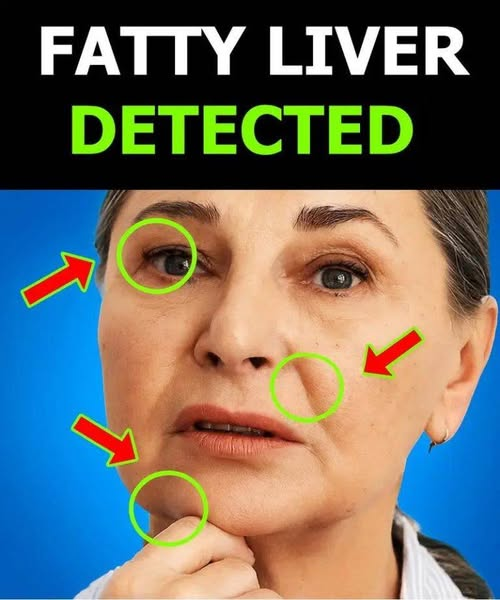
Social media posts sometimes claim that everyone with fatty liver shares a visible sign on their face. However, there is no single facial feature that can reliably identify fatty liver disease. Changes in facial appearance may have many causes and cannot replace medical testing.
Understanding the real warning signs, risk factors, and available tests can help you protect your liver health.
What Is Fatty Liver Disease?
Fatty liver disease occurs when too much fat accumulates in the liver. One common form is metabolic dysfunction-associated steatotic liver disease (MASLD), previously called nonalcoholic fatty liver disease (NAFLD).
MASLD is often associated with metabolic conditions such as obesity, type 2 diabetes, high blood pressure, and abnormal cholesterol or triglyceride levels.
Some people have fat in the liver without significant inflammation or damage. In others, the condition can progress to liver inflammation, scarring known as fibrosis, and, in advanced cases, cirrhosis.
Not everyone with fatty liver develops severe liver disease, but identifying the condition early can help people take steps to reduce their risk.
1. Can Your Face Reveal Fatty Liver Disease?
The short answer is no. Facial appearance alone cannot confirm fatty liver disease.
The image circulating online highlights areas around the eyes, cheek, and chin. These features are not established diagnostic signs of fatty liver.
Facial changes may result from aging, genetics, allergies, sleep problems, dehydration, or other health conditions. They should not be interpreted as proof of liver disease.
However, certain visible changes can occur in people with advanced liver disease. For example, yellowing of the skin and whites of the eyes, known as jaundice, can indicate a liver or bile-duct problem. Jaundice is not a specific sign of fatty liver and requires prompt medical assessment.
2. Fatigue That Does Not Seem to Go Away
Some people with fatty liver disease experience persistent tiredness or low energy. However, fatigue is extremely common and can have many other causes, including poor sleep, anemia, thyroid disorders, and stress.
Feeling tired alone does not mean you have a liver problem.
If fatigue persists, particularly alongside other symptoms or known metabolic risk factors, speak with a healthcare professional about whether an assessment is appropriate.
3. Discomfort in the Upper Right Side of the Abdomen
Some people with fatty liver experience a dull ache or discomfort in the upper-right part of the abdomen, beneath the ribs.
This area is where the liver is located. An enlarged liver may contribute to discomfort in some cases.
Nevertheless, abdominal pain can arise from many other conditions, including gallbladder problems, digestive disorders, and muscle strain.
Severe or persistent abdominal pain should be evaluated rather than automatically attributed to fatty liver.
4. Yellowing of the Skin or Eyes
Jaundice causes the skin and the whites of the eyes to appear yellow. It can occur when bilirubin builds up in the body because of problems involving the liver, bile ducts, or the breakdown of red blood cells.
Jaundice is not typical of uncomplicated fatty liver disease. It may indicate a more serious liver problem or another condition requiring investigation.
Seek urgent medical assessment if you notice unexplained yellowing of your eyes or skin.
Other concerning symptoms include dark urine, pale stools, and significant itching.
5. Swelling in the Abdomen or Legs
In advanced liver disease, scarring can interfere with normal liver function and blood flow. This may contribute to fluid accumulation in the abdomen, known as ascites, or swelling in the legs and ankles.
These symptoms are not typical early signs of uncomplicated fatty liver. They can also occur because of heart, kidney, or other medical conditions.
New or worsening swelling should be evaluated by a healthcare professional, especially when accompanied by breathlessness or abdominal enlargement.
Who Is More Likely to Develop Fatty Liver?
Fatty liver disease can affect people of different ages and body sizes. Certain factors increase the likelihood of developing MASLD, including:
Type 2 diabetes or insulin resistance
Overweight or obesity, particularly excess abdominal fat
High triglycerides or abnormal cholesterol levels
High blood pressure
Limited physical activity
A family history of metabolic or liver disease
People without these risk factors can also develop fatty liver. Having one or more risk factors does not mean that you definitely have the condition.
How Do Doctors Diagnose Fatty Liver?
Because fatty liver often causes no symptoms, diagnosis usually relies on medical assessment and appropriate testing.
Blood Tests
Doctors may check liver enzymes, including ALT and AST, as well as other blood markers. Abnormal results may suggest a liver problem, but normal liver enzyme levels do not always rule out fatty liver or more advanced disease.
Ultrasound and Other Imaging Tests
An abdominal ultrasound can help identify fat accumulation in the liver. Depending on the findings and individual risk factors, a doctor may recommend additional imaging or specialized tests to assess liver scarring.
Fibrosis Assessment
Doctors may use blood-test-based scores, such as FIB-4, or specialized imaging called elastography to estimate the likelihood of significant liver fibrosis.
A liver biopsy is needed only in selected cases when more detailed information is necessary.
The appropriate tests depend on your medical history, symptoms, and risk factors.
6 Ways to Support Liver Health
Lifestyle changes can help many people with fatty liver disease, particularly when metabolic risk factors are present.
1. Choose a Balanced Diet
Eat a variety of vegetables, fruit, legumes, whole grains, and appropriate protein sources. Replace foods high in saturated fat with healthier unsaturated-fat sources where possible.
2. Limit Sugary Drinks
Soft drinks, sweetened beverages, and other products containing large amounts of added sugar can contribute excess calories. Reducing these drinks may help support metabolic and liver health.
3. Aim for Gradual Weight Loss if Needed
For people who are overweight or have obesity, gradual weight loss can reduce liver fat and may improve inflammation and fibrosis.
The amount of weight loss needed varies. Avoid crash diets and extreme weight-loss plans.
4. Stay Physically Active
Regular activity can benefit liver and metabolic health, even without substantial weight loss. Choose activities appropriate for your abilities and health conditions.
5. Be Careful With Alcohol
Alcohol can contribute to liver damage. If you have been diagnosed with fatty liver, discuss alcohol use with your healthcare professional and follow their advice.
6. Avoid Unverified Liver Detox Products
There is no proven facial treatment, detox drink, or supplement that reliably removes liver fat. Some herbal products and supplements can actually injure the liver or interact with medication.
Ask your doctor or pharmacist before taking products marketed for liver cleansing.
Frequently Asked Questions
What is the first sign of fatty liver?
Many people have no noticeable symptoms. When symptoms occur, they may include fatigue or mild discomfort in the upper-right abdomen. The condition is often discovered through blood tests or imaging.
Can dark circles under the eyes mean fatty liver?
Dark circles are not a reliable sign of fatty liver disease. They may be associated with genetics, aging, allergies, or sleep-related factors.
Can fatty liver be reversed?
In many cases, reducing liver fat and improving metabolic health is possible, especially in the earlier stages. Gradual weight loss when appropriate, regular activity, and dietary changes can help. More advanced scarring requires medical monitoring and individualized care.
Can you have fatty liver without being overweight?
Yes. Fatty liver can occur in people who are not overweight. Diabetes, abnormal blood fats, genetics, and other factors may contribute.
Should everyone get tested for fatty liver?
Not everyone needs the same tests. People with diabetes, obesity, abnormal liver tests, or other relevant risk factors may benefit from discussing screening or assessment with a healthcare professional.
Final Thoughts
Fatty liver disease often develops silently, which is why understanding your risk factors and obtaining appropriate medical care matter more than looking for a hidden facial sign.
Changes around the eyes, cheeks, or chin cannot diagnose fatty liver. If you are concerned about your liver health, a healthcare professional can review your risk factors and determine whether blood tests or imaging are appropriate.
A balanced diet, regular physical activity, gradual weight management when needed, and appropriate medical follow-up can help support long-term liver health.
Medical disclaimer: This article is for educational purposes only and does not replace professional medical advice, diagnosis, or treatment.