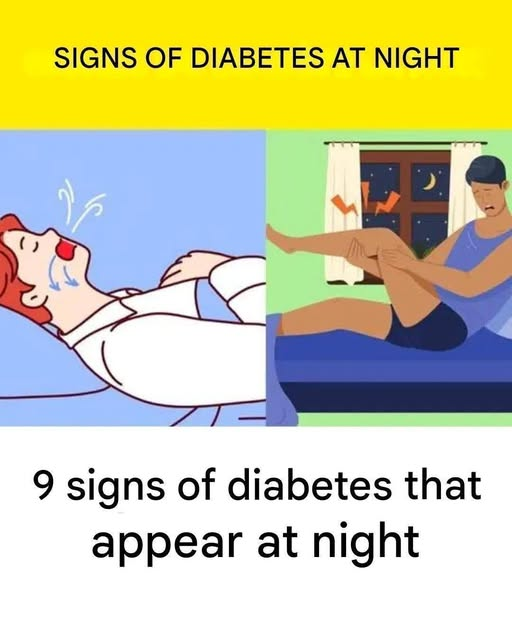
Have you ever woken up several times during the night feeling thirsty, needing to urinate, or feeling unusually tired in the morning? Although these symptoms can have many causes, some may be associated with diabetes or changes in blood sugar.
Diabetes occurs when blood glucose levels remain too high because the body does not produce enough insulin or cannot use insulin effectively. Some symptoms may become especially noticeable at night, disrupting sleep and affecting how you feel the following day.
However, nighttime symptoms alone cannot diagnose diabetes. The only way to confirm the condition is through appropriate medical testing.
Here are nine symptoms worth understanding and knowing when to seek medical advice.
1. Waking Up Frequently to Urinate
One possible symptom of diabetes is needing to urinate more often than usual, including during the night.
When blood glucose becomes too high, the kidneys work to remove excess glucose through urine. This can increase urine production and cause repeated nighttime trips to the bathroom.
Frequent urination can also result from drinking a lot of fluids before bed, urinary tract infections, certain medications, or other medical conditions.
If you regularly wake up to urinate and cannot explain why, speak with your healthcare professional about whether a blood glucose test is appropriate.
2. Feeling Extremely Thirsty at Night
Persistent thirst is another common symptom of high blood sugar.
Frequent urination can cause the body to lose additional fluid, leaving you thirsty even after drinking water. You may notice a dry mouth or find yourself reaching for a glass of water several times overnight.
Occasional thirst is normal, particularly after exercise or eating salty food. Persistent, unusual thirst combined with frequent urination deserves medical attention.
3. Night Sweats or Damp Bedding
Waking up with sweaty pajamas or damp sheets can have several explanations, including a warm bedroom, hormonal changes, infections, and medication effects.
For people who already have diabetes, nighttime sweating can sometimes be a sign of low blood sugar (hypoglycemia), particularly if they use insulin or certain glucose-lowering medicines.
Low blood sugar may also cause shaking, a racing heartbeat, nightmares, or confusion after waking.
Night sweats alone are not a reliable sign of diabetes. If you have diabetes and suspect a nighttime low, check your glucose if possible and follow your prescribed hypoglycemia plan.
4. Leg Cramps or Muscle Discomfort
Some people experience painful leg cramps or muscle discomfort at night. These symptoms can interfere with sleep and leave the legs feeling sore the next morning.
Leg cramps are not a specific or reliable sign of diabetes. They can be related to dehydration, muscle fatigue, certain medications, nerve problems, or other conditions.
Diabetes can cause nerve damage over time, which may lead to burning, tingling, numbness, or pain in the feet and legs. Persistent or worsening symptoms should be discussed with a healthcare professional.
5. Tingling, Burning, or Numbness in the Feet
Unusual sensations in the feet can occur when diabetes damages nerves, a complication known as diabetic neuropathy.
Symptoms may include burning, pins and needles, numbness, or pain that becomes more noticeable when resting at night.
These symptoms do not automatically mean someone has diabetes. Other conditions, including vitamin deficiencies, nerve compression, and circulation problems, can cause similar sensations.
If you notice persistent tingling or numbness, arrange a medical assessment. Seek prompt care for a new foot wound, spreading redness, or signs of infection.
6. Feeling Hungry Despite Eating Enough
Increased hunger can occur when blood glucose is not being used effectively by the body's cells.
Some people with undiagnosed diabetes experience persistent hunger even after meals. They may also notice unusual thirst, frequent urination, or unexplained weight loss.
Feeling hungry before bed, by itself, is common and does not establish that blood sugar is high. Pay attention to a persistent change in appetite, particularly when several other symptoms occur together.
7. Blurred Vision in the Evening
High blood glucose can temporarily affect the fluid balance in the eye and change vision, causing blurriness.
You may notice that reading or focusing becomes more difficult at certain times. However, vision changes can also be caused by dry eyes, eye strain, incorrect glasses, and other eye conditions.
Sudden vision loss or a sudden significant change in vision needs urgent medical assessment. Do not assume it is simply a symptom of diabetes.
8. Unusual Fatigue When You Wake Up
Feeling tired after a poor night's sleep is normal. However, persistent fatigue despite adequate rest may deserve investigation.
Diabetes can contribute to tiredness through elevated blood glucose, dehydration, and other effects on the body's ability to use energy. Frequent nighttime urination may also interrupt sleep and leave you exhausted in the morning.
Fatigue has many possible causes, including anemia, thyroid disorders, sleep apnea, stress, and infections. If it continues or affects your daily activities, discuss it with your healthcare professional.
9. Nighttime Headaches or Difficulty Concentrating
Headaches and difficulty concentrating are nonspecific symptoms that can sometimes occur when blood glucose is too low or too high.
For people taking insulin or certain diabetes medications, low blood sugar during sleep may lead to a headache, irritability, unusual dreams, or confusion after waking.
A headache alone is not a dependable sign of diabetes. If you have diabetes and experience repeated nighttime symptoms, ask your healthcare team whether you should check your glucose at bedtime or during symptoms.
A sudden, severe headache accompanied by weakness, confusion, difficulty speaking, or other neurological symptoms requires emergency medical attention.
How Can You Tell Whether These Symptoms Are Related to Diabetes?
Symptoms are only one part of the picture. A healthcare professional can assess your medical history, risk factors, and symptoms and arrange appropriate testing.
Common tests include:
A1C test: Estimates average blood glucose over approximately the previous three months.
Fasting blood glucose: Measures blood sugar after fasting for the period specified by the clinician or laboratory.
Oral glucose tolerance test: Measures how the body responds to a measured glucose drink.
Your clinician will interpret the results according to established diagnostic criteria and your individual circumstances.
Some people with type 2 diabetes experience few or no obvious symptoms, which is why testing may be important for people with risk factors.
When Should You Seek Medical Help?
Make an appointment with a healthcare professional if you have persistent thirst, frequent urination, unexplained weight loss, blurred vision, unusual fatigue, or recurring tingling in your feet.
Seek urgent medical care if you develop vomiting, abdominal pain, rapid or deep breathing, severe dehydration, fruity-smelling breath, or confusion, particularly alongside symptoms of high blood sugar. These can be warning signs of diabetic ketoacidosis, a potentially life-threatening emergency.
If someone with diabetes becomes unconscious, has a seizure, or cannot safely swallow because of suspected low blood sugar, call emergency services. Do not give food or drink to someone who is unconscious.
How Can You Support Healthy Blood Sugar Levels?
Healthy daily habits can help reduce the risk of type 2 diabetes and support diabetes management.
Consider the following steps:
Eat balanced meals that include vegetables, fiber-rich foods, and suitable protein sources.
Stay physically active according to your abilities and medical advice.
Drink water regularly and limit sugary drinks.
Maintain a consistent sleep schedule.
Follow prescribed medication instructions.
Monitor blood glucose if your healthcare professional recommends it.
Attend recommended health checks, especially if you have risk factors for diabetes.
Lifestyle changes can help, but they are not a substitute for prescribed medication or medical care when treatment is needed.
Frequently Asked Questions
Is waking up at night to urinate a sign of diabetes?
It can be one symptom, particularly when combined with excessive thirst, fatigue, or unexplained weight loss. However, many other conditions can cause frequent urination, so testing is needed to identify the cause.
Can diabetes cause leg cramps at night?
Diabetes may contribute to nerve damage or other problems that cause leg discomfort, but nighttime cramps are not a specific sign of diabetes. Persistent symptoms should be evaluated.
Can you have diabetes without knowing it?
Yes. Type 2 diabetes can develop gradually, and some people experience few or no noticeable symptoms. Blood testing can help detect it.
Are night sweats a sign of high blood sugar?
Not necessarily. In people taking insulin or certain diabetes medications, night sweats can be a symptom of low blood sugar. Night sweats also have many causes unrelated to diabetes.
What is the best way to check for diabetes?
A healthcare professional can recommend an A1C test, fasting blood glucose test, or another appropriate test. Symptoms alone cannot confirm or rule out diabetes.
Final Thoughts
Repeated nighttime urination, unusual thirst, tingling feet, blurred vision, and persistent fatigue are symptoms worth paying attention to, especially when they occur together.
Still, none of these symptoms alone proves that you have diabetes. Some may be related to other medical conditions, while people with diabetes may have no obvious warning signs at all.
If you notice persistent changes, seek medical advice rather than relying on online symptom lists. Early testing can help identify the cause and ensure that you receive appropriate care.
Medical disclaimer: This article is for educational purposes only and does not replace professional medical advice, diagnosis, or treatment.