Sarcopenia After 40: Why We Lose Muscle Mass and How to Regain Strength Naturally
Have you noticed that your arms and legs seem less muscular than they used to be? Perhaps climbing stairs feels harder, carrying grocery bags takes more effort, or getting up from a chair is becoming increasingly difficult.
These changes can sometimes be related to sarcopenia, a condition characterized by the progressive loss of skeletal muscle strength and muscle mass. Although it becomes more common with age, muscle loss is not inevitable, and there are practical steps you can take to protect your strength and mobility.
The good news is that regular resistance exercise, adequate nutrition, and appropriate medical care can help preserve muscle function and improve quality of life. Scientific guidance on sarcopenia.
What Is Sarcopenia?
Sarcopenia is a muscle disorder involving reduced muscle strength and, in confirmed cases, reduced muscle quantity or quality. It is particularly common among older adults, but it can also develop earlier in life.
Muscles naturally change as we age. However, significant muscle weakness can affect everyday activities, increase the risk of falls, and make it more difficult to remain independent.
Importantly, sarcopenia is not diagnosed simply by looking at thin arms or legs. A healthcare professional may assess muscle strength, walking ability, physical performance, and muscle quantity when necessary.
Why Do We Lose Muscle After 40?
Muscle changes happen at different rates from person to person. Several factors can contribute to the gradual loss of muscle strength and mass.
1. The Natural Aging Process
As people grow older, their bodies may become less efficient at maintaining and repairing muscle tissue. Changes in muscle fibers, hormones, and the body's response to dietary protein can contribute to declining muscle function.
However, age alone does not determine how strong someone will remain. Physical activity, nutrition, genetics, and general health also matter.
2. Not Getting Enough Physical Activity
One of the most important modifiable factors is inactivity.
When muscles are not regularly challenged, they can become weaker over time. Long periods of sitting, limited walking, and avoiding activities that require strength may contribute to muscle loss.
The solution is not necessarily an intense gym routine. Appropriate strength exercises and regular movement can make a meaningful difference.
3. Insufficient Protein and Calories
Muscles need protein to repair and maintain their tissue. If a person's diet consistently provides too little protein or insufficient overall energy, maintaining muscle can become more difficult.
Older adults, people with poor appetites, and individuals recovering from illness may be particularly vulnerable to inadequate nutrition.
Protein needs vary according to age, body size, activity, kidney function, and other medical factors. A healthcare professional or registered dietitian can help determine an appropriate intake.
4. Chronic Health Conditions
Some chronic illnesses can contribute to muscle weakness or loss, including certain cancers and other conditions associated with inflammation, reduced appetite, or prolonged inactivity.
Hospitalization, surgery, and extended bed rest may also accelerate muscle loss.
If weakness develops suddenly or progresses quickly, it should not automatically be attributed to aging.
5. Hormonal and Metabolic Changes
Changes in hormone levels and metabolism can influence muscle maintenance as people age. However, muscle loss usually has multiple contributing factors rather than one single cause.
Hormone treatments and muscle-building medications should not be used without appropriate medical assessment.
Signs That Your Muscle Strength May Be Declining
Possible warning signs include:
Difficulty standing up: Getting out of a low chair becomes more challenging.
Reduced grip strength: Opening jars or carrying bags becomes harder than before.
Slower walking: Your usual walking pace decreases noticeably.
Trouble climbing stairs: Activities that once felt easy require more effort.
Frequent falls or balance problems: You feel less stable while standing or moving.
Reduced physical endurance: Everyday tasks leave you feeling unusually tired.
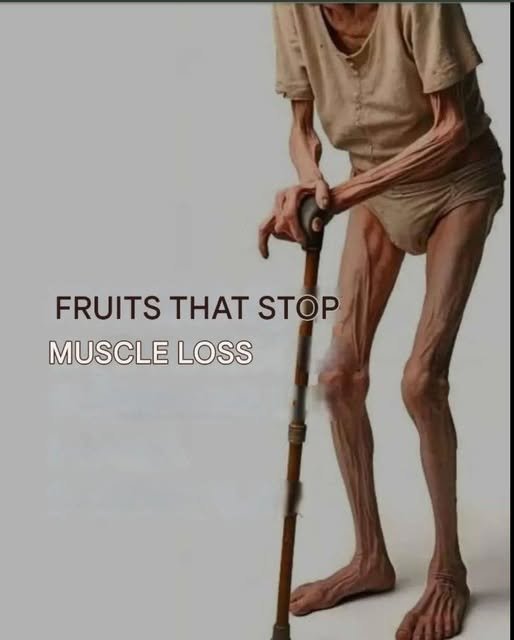
Visible muscle changes: Your arms or legs appear smaller, although appearance alone cannot establish a diagnosis.
These symptoms can have many causes. Persistent weakness, repeated falls, or declining mobility deserves medical evaluation.
How Can You Regain Muscle Strength?
The most effective approach usually combines resistance exercise, adequate nutrition, and consistency.
1. Start With Strength Training
Resistance exercise is a central part of sarcopenia management. It challenges the muscles and can help improve strength, function, and, in some cases, muscle mass.
Examples of exercises that may be adapted to different fitness levels include:
Chair sit-to-stands: Practice standing up from a stable chair and sitting down slowly.
Wall push-ups: Use a wall to perform a gentler version of a push-up.
Resistance-band exercises: Bands can help strengthen the arms, shoulders, and legs.
Light weights: Dumbbells or other suitable weights can provide progressive resistance.
Supported heel raises: Hold a stable surface while raising your heels, if safe for you.
Start with manageable movements and focus on correct technique. Increase resistance gradually rather than trying to do too much too soon.
If you have significant weakness, joint problems, a history of falls, or a chronic medical condition, ask a healthcare professional or physiotherapist which exercises are appropriate.
2. Include Protein-Rich Foods
Protein provides amino acids that the body uses to maintain and repair muscle tissue.
Useful food sources include:
Eggs
Fish and seafood
Chicken and turkey
Milk, yogurt, and cheese
Beans, lentils, and chickpeas
Tofu and other soy foods
Nuts and seeds
Try to include a protein source in your regular meals rather than relying on one large serving at the end of the day.
Protein supplements are not necessary for everyone. If you have kidney disease or another condition that affects your dietary needs, discuss protein intake with your healthcare professional before making substantial changes.
3. Eat Enough Overall Food
Eating protein alone may not be sufficient if you do not consume enough total calories.
A balanced eating pattern should also include vegetables, fruits, whole grains or other suitable carbohydrate sources, healthy fats, and adequate fluids.
Unintentional weight loss, persistent poor appetite, or difficulty eating should be discussed with a healthcare professional because these problems may contribute to muscle loss.
4. Stay Active Throughout the Day
Strength training is important, but everyday movement also matters.
Depending on your abilities, you might take short walks, do gentle household activities, stand up regularly after sitting, or participate in a suitable balance program.
Choose activities that are realistic for your current fitness level and build up gradually.
5. Prioritize Recovery and Sleep
Muscles need time to recover after exercise. Allow adequate recovery between challenging strength sessions and aim for a consistent sleep routine.
If persistent fatigue prevents you from exercising or managing everyday activities, seek medical advice rather than assuming it is simply part of getting older.
6. Check for Underlying Health Problems
A clinician can review your symptoms, medications, nutrition, and medical history. Depending on the situation, they may assess grip strength, walking speed, physical performance, and muscle mass.
This assessment can help distinguish sarcopenia from other causes of weakness, such as anemia, thyroid problems, neurological conditions, or other illnesses.
Can You Prevent Sarcopenia After 40?
You cannot eliminate every age-related change, but you can take steps to protect your muscles.
A practical routine includes:
Perform suitable resistance exercises regularly.
Eat enough protein and overall food to meet your needs.
Stay physically active throughout the week.
Avoid prolonged inactivity whenever possible.
Address chronic medical conditions and nutritional deficiencies with professional guidance.
Seek help early if you notice declining strength, repeated falls, or unexplained weight loss.
There is no single food, supplement, or exercise that prevents sarcopenia in everyone. A consistent combination of physical activity and adequate nutrition is a more reliable starting point.
Does Sarcopenia Only Affect People Over 60?
No. Sarcopenia is more common in older adults, but muscle loss and weakness can develop earlier, particularly in people who are inactive, undernourished, or living with certain chronic illnesses.
Turning 40 does not mean that you have sarcopenia or that substantial muscle loss is inevitable. The goal is to build and maintain strength throughout adulthood.
Frequently Asked Questions
Can muscle mass be rebuilt after age 50 or 60?
Yes. Many older adults can improve muscle strength and physical function through appropriately designed resistance exercise and adequate nutrition. The results depend on individual health, starting fitness, and consistency.
Is walking enough to prevent muscle loss?
Walking supports cardiovascular health, mobility, and general activity. However, walking alone may not provide enough resistance to strengthen every major muscle group. A suitable strength-training routine can complement walking.
Are protein powders necessary?
Not necessarily. Many people can meet their protein needs through ordinary foods. Supplements may be useful in some circumstances, but they are not a replacement for a balanced diet or appropriate exercise.
Should I take vitamin D or other supplements?
Only when appropriate for your individual needs. Evidence does not establish vitamin D supplements alone as an effective treatment for sarcopenia in every person. Ask a healthcare professional whether testing or supplementation is suitable for you.
When should I see a doctor?
Arrange an assessment if you experience persistent muscle weakness, unexplained weight loss, difficulty walking, repeated falls, or increasing difficulty with everyday tasks. Sudden weakness, especially on one side of the body or accompanied by trouble speaking, requires emergency medical attention.
Final Thoughts
Sarcopenia is an important health concern, but losing strength does not have to be accepted as an unavoidable part of aging.
Regular resistance exercise, sufficient protein and calories, everyday movement, and attention to underlying health problems can help support muscle function over time.
The best time to care for your muscles is before weakness begins to interfere with daily life. Start at a level that is safe for you, make gradual progress, and seek professional guidance when needed.
What do you think? Let us know in the comments! 💬❤️ Have you noticed changes in your strength as you have gotten older, and what habits help you stay active?
Medical disclaimer: This article is for educational purposes only and is not a substitute for personalized medical advice, diagnosis, or treatment. If you are concerned about muscle loss or weakness, consult a qualified healthcare professional.