Have You Noticed Small White Spots on Your Arms or Legs? Here’s What They Are
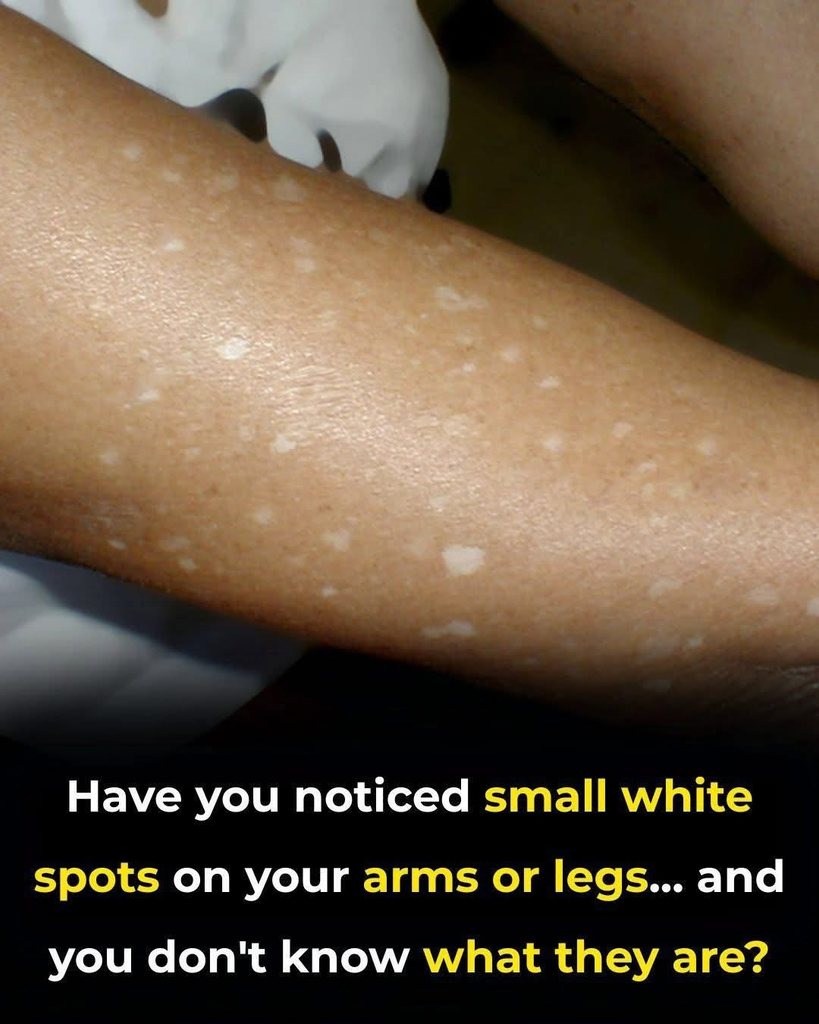
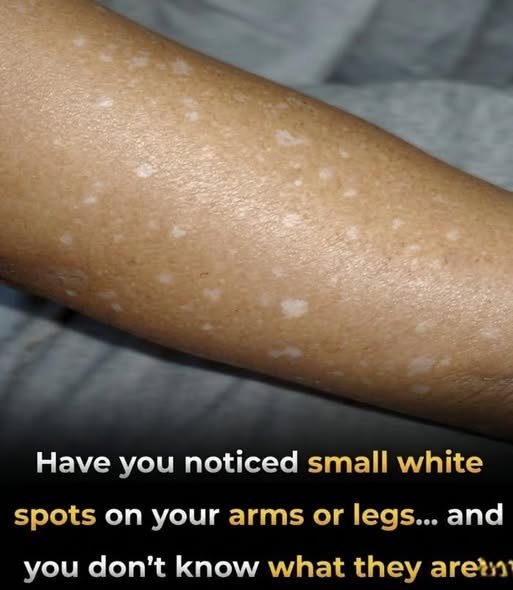
Have you ever looked closely at your arms or legs and noticed tiny white spots scattered across your skin? These pale patches can appear gradually, sometimes becoming more noticeable after spending time in the sun.
Although changes in skin color can be concerning, many small white spots are harmless. One common explanation is a condition called idiopathic guttate hypomelanosis (IGH), which is frequently seen in adults as they age.
However, not every white spot has the same cause. Some develop because of fungal infections, inflammation, or conditions affecting the skin's pigment-producing cells.
Understanding the possible causes can help you recognize when simple skin care may be enough and when a dermatologist should examine your skin.
1. Idiopathic Guttate Hypomelanosis: A Common Cause of Small White Spots
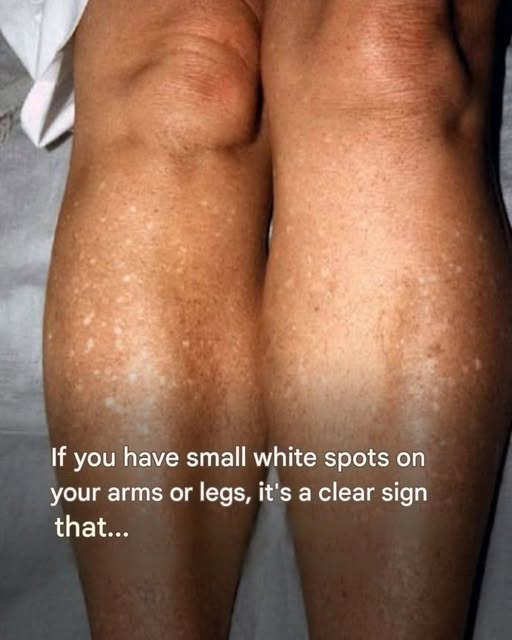
Idiopathic guttate hypomelanosis, often abbreviated as IGH, is a benign skin condition characterized by small, flat, white or lighter-colored spots.
These spots commonly appear on areas frequently exposed to sunlight, including:
Forearms
Lower legs and shins
Upper arms
Other sun-exposed areas
The spots are typically round or oval and often measure only a few millimeters across.
IGH is more common with increasing age, although younger adults can also develop it.
Why does it happen?
The exact cause is not fully understood. Aging, cumulative sun exposure, and changes in the cells responsible for producing skin pigment may contribute.
IGH is not contagious, and it is not a form of skin cancer.
Does it require treatment?
Usually, no. IGH is generally harmless and does not require medical treatment unless someone wishes to address its appearance.
A dermatologist can discuss cosmetic options, although results vary and no treatment reliably removes every spot.
2. Vitiligo: When the Skin Loses Pigment
Another possible cause of white patches is vitiligo.
Vitiligo occurs when pigment-producing cells, called melanocytes, are lost or stop functioning in affected areas. It is associated with autoimmune processes.
Unlike the tiny scattered spots commonly seen with IGH, vitiligo often produces larger, more clearly defined areas of pigment loss, although it can begin with smaller patches.
Vitiligo may affect the hands, face, arms, legs, and other parts of the body.
What are the signs?
Clearly defined white patches.
Areas that gradually enlarge or spread.
Similar changes on different parts of the body.
Sometimes, whitening of hair in affected areas.
Vitiligo is not contagious. It is also not caused by poor hygiene.
If you notice expanding patches of pigment loss, a dermatologist can help determine the cause and discuss available treatments.
3. Tinea Versicolor: A Common Fungal Skin Condition
Tinea versicolor, also known as pityriasis versicolor, is caused by an overgrowth of yeast that normally lives on the skin.
It can produce lighter or darker patches, particularly on the chest, back, shoulders, and upper arms.
The affected areas may have fine scaling and can become more noticeable after tanning because the surrounding skin changes color differently.
Common symptoms
Light or dark patches.
Fine, powdery scaling.
Mild itching in some people.
Patches that become more noticeable in warm or humid conditions.
Tinea versicolor is usually treatable with appropriate antifungal products.
However, skin color may take weeks or months to return to its usual appearance even after the yeast overgrowth has been treated.
A healthcare professional can help confirm the diagnosis before treatment.
4. Post-Inflammatory Hypopigmentation
Sometimes white or lighter-colored patches appear after the skin has healed from inflammation or injury.
This is called post-inflammatory hypopigmentation.
Possible triggers include:
Eczema.
Previous rashes.
Minor skin injuries.
Certain inflammatory skin conditions.
The affected area may temporarily produce less pigment while the skin recovers.
In many cases, pigmentation gradually improves, although recovery time varies.
Avoid harsh skin treatments and unnecessary bleaching products, which can irritate the skin further.
5. Pityriasis Alba
Pityriasis alba is a common, usually harmless skin condition that produces pale, sometimes slightly scaly patches.
It is most often seen in children and adolescents, particularly those with dry skin or eczema.
The patches commonly affect the face but may also appear on the upper arms or other areas.
What can help?
Gentle skin care and regular moisturizing may improve dryness and irritation.
If inflammation is present, a healthcare professional may recommend a suitable treatment.
The lighter color can persist for some time after the dryness improves.
6. Can Sun Exposure Make White Spots More Noticeable?
Yes.
When surrounding skin becomes darker from sun exposure, areas with less pigment may stand out more clearly.
Long-term sun exposure is also thought to contribute to the development of IGH.
Protecting your skin from excessive ultraviolet radiation is important regardless of whether you have white spots.
Dermatologists commonly recommend broad-spectrum sunscreen with SPF 30 or higher, protective clothing, and seeking shade during periods of strong sunlight.
Sun protection may help reduce additional skin damage, although it will not necessarily reverse existing white spots.
7. Are White Spots a Sign of Vitamin Deficiency?
Social media posts sometimes claim that white spots on the arms or legs always indicate a deficiency in vitamin B12, vitamin D, calcium, or another nutrient.
This is misleading.
Certain nutritional deficiencies can affect the skin, but small white spots alone are not a reliable sign of a specific vitamin deficiency.
Conditions such as IGH, vitiligo, and tinea versicolor have different causes and require different approaches.
Taking high-dose vitamins without a diagnosed deficiency is unlikely to resolve most pigment changes and may cause unwanted side effects.
If your healthcare professional suspects a nutritional problem based on your symptoms, diet, or medical history, appropriate testing may be recommended.
8. When Should You See a Dermatologist?
Many small white spots are harmless, especially when they develop slowly and remain stable.
However, a professional skin examination is recommended if you notice:
White patches that spread rapidly.
Significant itching, redness, or scaling.
Changes in skin texture.
New patches accompanied by other unexplained symptoms.
A spot that bleeds, becomes painful, forms a sore, or does not heal.
Skin changes that are difficult to distinguish from other conditions.
A dermatologist may examine your skin closely, use a Wood's lamp, or perform other tests when necessary.
A photograph alone cannot reliably distinguish every cause of hypopigmentation.
9. Can Small White Spots Be Prevented?
Not every cause of white spots can be prevented.
However, several habits can help support healthy skin:
Protect your skin from the sun. Use broad-spectrum sunscreen and protective clothing when outdoors.
Moisturize regularly. Gentle moisturizers can help reduce dryness and irritation.
Avoid unnecessary skin bleaching products. These may irritate the skin and worsen uneven pigmentation.
Treat inflammatory skin conditions appropriately. Managing eczema and other skin problems may help reduce additional pigment changes.
Avoid self-diagnosing. If spots are changing, spreading, or causing symptoms, consult a qualified healthcare professional.
Frequently Asked Questions
Are small white spots on the legs dangerous?
Often, no. Small, stable white spots on the legs may be caused by benign conditions such as idiopathic guttate hypomelanosis. However, a healthcare professional should assess new, changing, or unexplained patches.
Do white spots mean I have vitiligo?
Not necessarily. Vitiligo is one possible cause, but IGH, fungal conditions, and post-inflammatory changes can also produce lighter patches.
Can white spots disappear naturally?
It depends on the cause. Some patches related to inflammation or fungal conditions may improve over time. IGH spots often persist, while vitiligo may require specialized treatment.
Are white spots contagious?
IGH and vitiligo are not contagious. Tinea versicolor is caused by an overgrowth of yeast normally present on the skin and is not generally considered contagious.
Can I treat white spots with vitamins?
Vitamin supplements are not a proven treatment for most causes of white spots. They may be appropriate if a healthcare professional identifies a specific deficiency, but the skin condition itself should be properly assessed.
Why do white spots become more noticeable as I get older?
Aging and cumulative sun exposure are associated with idiopathic guttate hypomelanosis. As surrounding skin tans, the lighter spots may also become easier to see.
Final Thoughts
Small white spots on the arms or legs are common and often harmless. One possible explanation is idiopathic guttate hypomelanosis, a benign condition associated with aging and sun exposure.
However, vitiligo, tinea versicolor, post-inflammatory hypopigmentation, and other skin conditions can produce similar changes.
The most important thing is to pay attention to whether the spots are stable or changing. If they spread, cause discomfort, or look unusual, a dermatologist can help identify the cause and recommend appropriate care.
Medical Disclaimer
This article is intended for general educational purposes only and does not provide a medical diagnosis. Skin conditions can look similar, and an in-person examination may be necessary to determine the cause of white spots. Consult a qualified healthcare professional for personalized advice.