A Woman’s Chin Hair Could Be a Sign of More Than Just Aging: What Experts Want You to Know
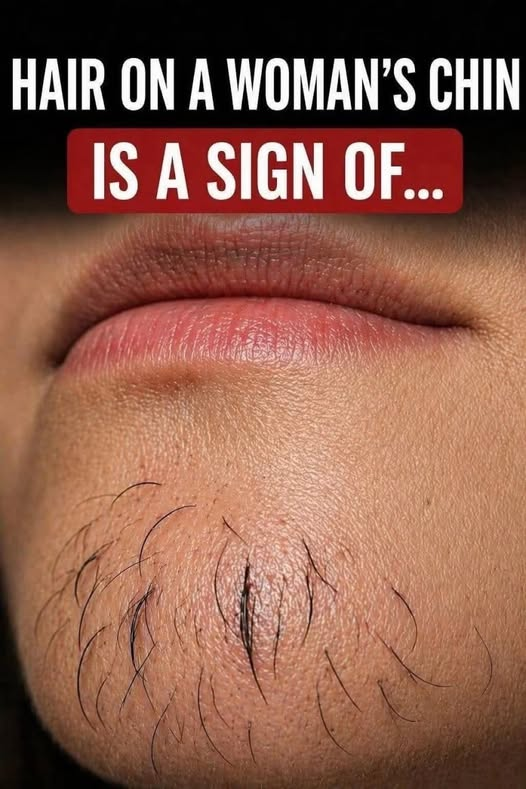
Noticing a few dark hairs on the chin can be surprising, especially for women who have never experienced noticeable facial hair before. Although occasional chin hairs are common and often harmless, changes in facial hair growth can sometimes provide clues about hormonal changes or an underlying health condition.
The important thing to remember is that chin hair alone does not mean something is wrong. Age, genetics, individual differences, and hormone levels can all influence where and how hair grows.
Understanding the possible causes can help you decide when simple hair removal is enough and when it may be worth discussing the changes with a healthcare professional.
Why Do Women Develop Chin Hair?
Women naturally produce small amounts of hormones called androgens. These hormones are present in everyone, although levels differ between individuals.
Hair follicles also vary in their sensitivity to hormones. As a result, some women develop a few coarse hairs around the chin or jawline, while others have very little visible facial hair.
Several factors may contribute to chin hair growth.
1. Natural Aging and Menopause
Hormonal changes associated with aging and menopause can change the pattern of hair growth.
Some women notice that the hair on their scalp becomes thinner while a few darker or coarser hairs appear on the chin or upper lip. This can happen even when there is no underlying medical problem.
A small number of isolated chin hairs is usually not a reason to panic. However, a sudden or substantial increase in facial hair deserves medical attention, regardless of age.
2. Hormonal Changes
Androgens, including testosterone, influence the growth of certain facial and body hairs. If androgen levels increase, or hair follicles become more sensitive to these hormones, coarse facial hair may become more noticeable.
Possible accompanying symptoms include:
New or worsening acne.
Thinning hair on the scalp.
Increased hair growth on the chest, abdomen, or other areas.
Changes in menstrual cycles.
These symptoms do not identify a particular condition on their own. A healthcare professional can assess the overall pattern and determine whether testing is appropriate.
3. Polycystic Ovary Syndrome (PCOS)
Polycystic ovary syndrome, commonly called PCOS, is one possible cause of excessive facial hair growth in women of reproductive age.
PCOS is a hormonal and metabolic condition that can affect menstrual cycles, ovulation, skin, and hair growth.
Other possible signs include:
Irregular or missed periods.
Persistent acne or oily skin.
Thinning hair on the scalp.
Difficulty becoming pregnant.
Weight gain or difficulty losing weight in some individuals.
Not everyone with PCOS experiences all these symptoms. Having chin hair does not automatically mean you have PCOS, and diagnosis requires an appropriate medical assessment.
4. Genetics and Family History
Sometimes, facial hair growth runs in families. A woman may naturally have more visible chin hair because of inherited characteristics or differences in how her hair follicles respond to hormones.
If the hair growth has been stable for years and there are no other concerning symptoms, genetics may be part of the explanation.
However, new or rapidly increasing hair growth should not automatically be attributed to family history.
5. Certain Medications and Other Medical Conditions
Some medications can contribute to unwanted hair growth. Less commonly, conditions affecting hormone production may cause a more pronounced change in facial or body hair.
If you notice new hair growth after starting a medication, speak with your prescriber or pharmacist. Do not stop a prescribed medication without professional guidance.
A healthcare professional may review your medical history, examine the pattern of hair growth, and order blood tests when needed.
When Should You See a Doctor?
A few isolated chin hairs are common and do not necessarily require medical testing. It is worth arranging an appointment if you notice:
A substantial increase in thick, dark facial hair.
New chin hair accompanied by irregular periods.
New or worsening acne along with increased facial hair.
Unexplained thinning of scalp hair.
Difficulty becoming pregnant alongside other possible hormonal symptoms.
Seek prompt medical assessment if thick facial hair develops rapidly over a few months, particularly if your voice becomes noticeably deeper or you experience other significant physical changes. These symptoms can occasionally indicate a condition requiring timely investigation.
A doctor may recommend hormone testing or refer you to an endocrinologist or dermatologist, depending on your symptoms.
How Can Unwanted Chin Hair Be Managed?
If the hair bothers you, several options are available. You can choose the method that best suits your skin, preferences, and budget.
Tweezing
Tweezers can be useful for removing a small number of individual hairs. Use clean tweezers and avoid repeatedly plucking irritated or infected skin.
Shaving
Facial shaving can remove unwanted hair without changing its natural thickness or growth rate. The hair may feel blunt as it grows back, but shaving does not make it grow back thicker.
Waxing or Hair Removal Creams
Waxing can remove hair from the root, while depilatory creams dissolve hair at the skin's surface. Both can cause irritation, so follow product instructions and test suitable products on a small area first.
Never use a product intended for the body on the face unless its label specifically permits facial use.
Laser Hair Removal and Electrolysis
Laser hair removal can provide long-lasting reduction in hair growth, although results vary and multiple sessions are usually needed. Electrolysis is another option that can permanently remove individual hairs when performed appropriately.
Consult a qualified practitioner to discuss suitability, skin type, potential side effects, and expected results.
Prescription Treatments
Depending on the cause and the individual's circumstances, a healthcare professional may recommend medication to slow facial hair growth or treat an underlying hormonal condition.
These treatments are not suitable for everyone and may take time to work.
Can Lifestyle Changes Stop Chin Hair Growth?
Healthy habits can support overall health, but no particular food, drink, or home remedy has been proven to eliminate unwanted chin hair in every woman.
If PCOS or another hormonal condition is involved, treatment may include individualized lifestyle recommendations and medication, depending on symptoms and health needs.
Avoid unverified remedies that promise to balance hormones quickly or permanently stop facial hair growth.
Frequently Asked Questions
Is one or two chin hairs normal for women?
Yes. A few isolated chin hairs are common and often harmless. Genetics, age, and individual hormone sensitivity can all influence facial hair.
Does chin hair always mean high testosterone?
No. Chin hair can occur even when hormone levels are within the normal range. Hair follicle sensitivity, genetics, and age can also affect growth.
Does chin hair mean a woman has PCOS?
Not necessarily. PCOS is one possible cause of excessive facial hair, particularly when it occurs with irregular periods, acne, or scalp hair thinning. A clinician must assess the overall picture.
Will shaving make chin hair grow back thicker?
No. Shaving cuts hair at the skin's surface and does not change the follicle or increase the hair's natural thickness.
Can chin hair disappear on its own?
It depends on the cause. Some changes in hair growth may fluctuate, while established coarse hairs may continue to grow. Treatment options can help manage unwanted hair when needed.
Final Thoughts
Chin hair in women is common and can have several explanations, from normal aging and genetics to hormonal conditions such as PCOS.
The presence of a few hairs does not automatically indicate a health problem. What matters most is whether the growth is new, rapidly increasing, or accompanied by other symptoms.
If you notice a significant change, a healthcare professional can help identify the cause and discuss suitable options. There is no need to feel embarrassed: unwanted facial hair is a common concern, and effective management options are available.
Medical disclaimer: This article is for general educational purposes only and does not replace professional medical advice, diagnosis, or treatment.