What Do You Call a Person With Blue or Gray Fingernails? What Your Nails May Reveal
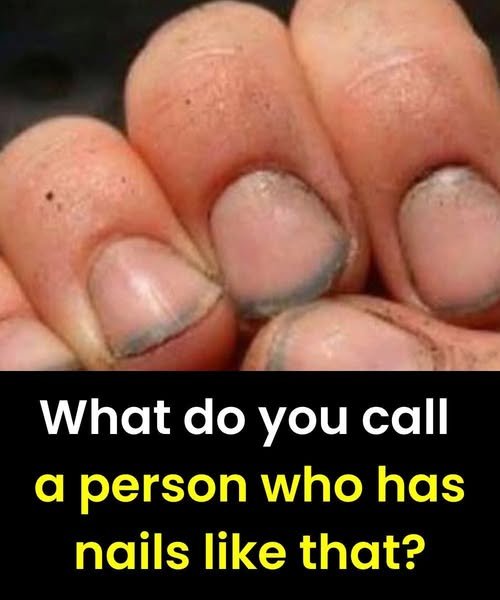
Have you ever noticed someone's fingernails turning an unusual shade of blue, purple, or gray? The appearance can be surprising, and it naturally raises questions about what might be happening beneath the surface.
Nail color can change for several reasons, ranging from a minor injury to changes in blood circulation or oxygen levels. However, the color alone cannot tell you exactly what condition a person may have.
Understanding the possible causes can help you recognize when a change is harmless and when it deserves medical attention.
What Is It Called When Fingernails Turn Blue?
A bluish discoloration of the skin or nail beds can sometimes be associated with a condition called cyanosis. Cyanosis occurs when the blood circulating through the body does not carry enough oxygen, or when circulation problems affect certain areas.
Blue or gray discoloration around the fingers and nails can also occur when blood vessels narrow in response to cold temperatures.
However, not every blue-looking nail is caused by cyanosis. An injury, staining, or another nail condition may produce a similar appearance. A medical professional can help determine the actual cause. <Cite refs={["turn248156search0","turn248156search1"]}/>
5 Possible Reasons Fingernails May Look Blue or Gray
1. Cold Temperatures
Have you ever noticed your fingers becoming pale or bluish after spending time outside in cold weather?
Cold temperatures can cause blood vessels to narrow, reducing blood flow to the fingers. In some cases, this can make the fingertips and nail beds appear blue or gray.
If cold exposure is responsible, the color may improve gradually after moving somewhere warm. Persistent or recurring discoloration should still be evaluated by a healthcare professional. <Cite refs={["turn248156search3","turn248156search1"]}/>
2. A Bruise Beneath the Nail
An injury can cause blood to collect beneath a fingernail, creating a dark blue, purple, brown, or nearly black patch.
This can happen after hitting a finger, trapping it in a door, or experiencing repeated pressure on the nail.
A bruised nail may be painful or sensitive to touch. Severe pain, significant swelling, or a nail injury that does not improve may require medical evaluation. <Cite refs={["turn248156search8"]}/>
3. Changes in Blood Circulation
Some conditions affect how blood flows through the hands and fingers. Raynaud's phenomenon, for example, can cause the fingers to change color in response to cold or emotional stress.
The fingers may become white, blue, and then red as blood flow changes. Not everyone experiences all three color changes.
If these episodes happen frequently, are painful, or occur without an obvious trigger, a healthcare professional can assess whether an underlying circulation problem is present. <Cite refs={["turn248156search0","turn248156search3"]}/>
4. Low Oxygen Levels
Blue or gray nail beds can sometimes indicate that the body is not receiving or circulating enough oxygen.
This may be associated with certain lung, heart, or airway conditions. The significance depends on the person's symptoms and overall health.
Sudden blue or gray discoloration involving the lips, tongue, or face is particularly concerning, especially when accompanied by breathing difficulties, chest pain, dizziness, or confusion. These symptoms require emergency medical attention. <Cite refs={["turn248156search0","turn248156search1"]}/>
5. Other Nail Conditions or Color Changes
Not all unusual nail colors are related to circulation. Nail injuries, infections, staining, certain medications, and less common medical conditions can also change nail appearance.
Pay attention to changes that persist, spread, cause pain, or occur without an obvious explanation. A clinician can examine the nail and decide whether further testing is needed. <Cite refs={["turn248156search4","turn248156search5"]}/>
When Should You Be Concerned About Blue Fingernails?
The most important factor is not simply the color of the nail, but how suddenly it appeared and whether other symptoms are present.
Seek emergency medical care if blue or gray discoloration occurs suddenly with any of the following:
Difficulty breathing.
Chest pain.
Fainting, confusion, or severe dizziness.
Blue or gray lips, tongue, or face.
If your fingers or nails remain blue or gray despite warming up, or if the change occurs repeatedly without an obvious reason, arrange prompt medical evaluation. Do not assume that the problem is caused by cold weather alone. <Cite refs={["turn248156search0","turn248156search1"]}/>
What Can You Do if Your Nails Change Color?
If you notice an unusual change in nail color, consider these practical steps:
Look for a possible injury. Think about whether you recently hit your finger or placed pressure on the nail.
Move to a comfortable temperature. If you have been exposed to cold, gently warm your hands indoors.
Observe other symptoms. Pay attention to pain, numbness, swelling, breathing problems, or changes in your lips and skin.
Avoid self-diagnosis. A photograph cannot reliably distinguish between bruising, circulation problems, and low oxygen levels.
Contact a healthcare professional. Seek advice if the discoloration persists, recurs, or has no clear explanation.
Never ignore sudden color changes accompanied by symptoms that could indicate a medical emergency.
Frequently Asked Questions
What is the medical term for blue fingernails?
The term cyanosis may apply when blue or gray discoloration results from insufficient oxygen in the blood or related circulation problems. However, blue nails can have other causes, including bruising, so the term does not automatically describe every case.
Can cold weather make fingernails look blue?
Yes. Cold can narrow blood vessels and reduce blood flow to the fingers, sometimes causing bluish discoloration. The color should not be assumed to be harmless if it persists or occurs with other symptoms.
Do blue fingernails always mean low oxygen?
No. Blue-looking nails can result from cold exposure, circulation changes, bruising, or other causes. A proper assessment is needed to determine the reason.
Should I see a doctor for gray fingernails?
If the color change is unexplained, persistent, recurring, or associated with pain, arrange medical evaluation. Sudden discoloration accompanied by breathing difficulties, chest pain, or blue lips or tongue requires emergency care.
Final Thoughts
Unusual fingernail colors can be more than a cosmetic concern, but they do not always indicate a serious medical problem.
Blue or gray nails may be associated with cold exposure, bruising, circulation changes, or conditions that affect oxygen levels. The pattern of discoloration and the presence of other symptoms are important clues, but they cannot replace a medical examination.
Have you ever noticed your fingernails changing color in cold weather or after an injury? Share your experience in the comments below. If a color change is sudden or accompanied by serious symptoms, prioritize medical care rather than relying on online explanations.
Medical disclaimer: This article is for general educational purposes only and is not a substitute for professional medical advice, diagnosis, or treatment.