Why Do White Spots Appear on Your Skin in Summer? A Dermatologist Explains the Causes and Treatments
Have you noticed small white spots on your arms, legs, shoulders, or other parts of your body, especially during the summer? These spots can become more noticeable after spending time in the sun, and many people wonder whether they are a sign of a serious skin condition.
The good news is that many causes of white spots are harmless. However, different skin conditions can look similar, and the right treatment depends on identifying the cause.
Here is what you should know about the most common reasons white spots appear, how they can be treated, and when it is worth seeing a dermatologist.
1. Idiopathic Guttate Hypomelanosis: Small White Spots Related to Sun Exposure
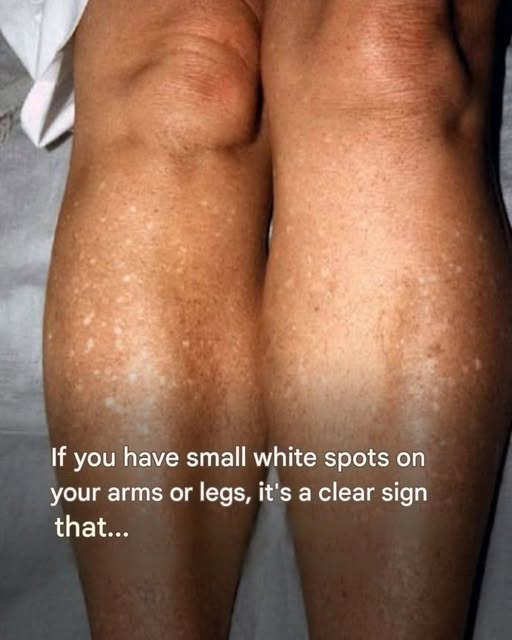
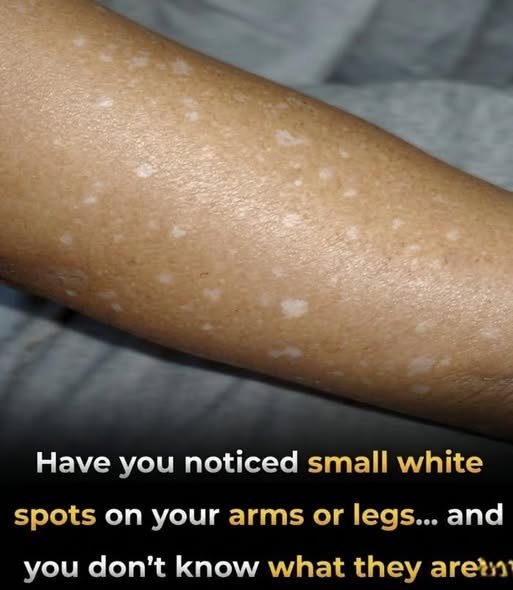
One possible explanation for tiny, flat white spots on the arms and legs is idiopathic guttate hypomelanosis.
This common, benign skin condition causes small, pale spots, often on areas that receive regular sun exposure, such as the forearms and shins. The spots are usually smooth, do not itch, and may become more noticeable as the surrounding skin tans.
The exact cause is not fully understood, but cumulative sun exposure is thought to contribute.
What do these spots look like?
Small, round or oval white spots.
Usually flat and smooth.
Common on the lower legs and forearms.
Generally painless and not itchy.
More noticeable against tanned skin.
How are they treated?
Treatment is often unnecessary because the condition is harmless. If the spots are cosmetically bothersome, a dermatologist can discuss options, although treatments do not always restore pigmentation completely.
Daily sun protection can help protect the surrounding skin and reduce further sun damage.
2. Tinea Versicolor: A Common Cause of Summer Skin Discoloration
Tinea versicolor is a common superficial skin condition caused by an overgrowth of a yeast that normally lives on the skin.
It often becomes more noticeable during hot, humid weather. The patches may look white, pale brown, pink, or darker than the surrounding skin.
Unlike the tiny spots associated with idiopathic guttate hypomelanosis, tinea versicolor often creates larger patches that may join together.
Common symptoms
Light or dark patches on the skin.
Fine scaling or a slightly dry surface.
Occasional mild itching.
Patches on the chest, back, neck, shoulders, or upper arms.
More noticeable discoloration after tanning.
What treatment helps?
Antifungal creams, lotions, or medicated washes may be recommended, depending on the affected area and severity. A healthcare professional or pharmacist can help determine the appropriate treatment.
One important detail: the yeast may clear before the skin returns to its usual color. Pigmentation can take weeks or months to even out, so persistent light patches do not necessarily mean treatment has failed.
Tinea versicolor can also return, especially in warm and humid conditions. <Cite refs={["turn685746search0","turn685746search6"]}/>
3. Vitiligo: When the Skin Loses Its Pigment
Vitiligo is a condition in which the cells responsible for producing skin pigment are lost or stop functioning in affected areas.
Unlike many sun-associated white spots, vitiligo can appear on almost any part of the body. The patches are often clearly defined and may gradually enlarge or appear in new locations.
Signs to look for
Patches that are noticeably whiter than the surrounding skin.
Areas that gradually increase in size.
White patches on the hands, face, arms, legs, or other body areas.
Sometimes, loss of color in hair growing within the affected area.
Vitiligo is not contagious. It is a distinct condition that should not be confused with a superficial fungal infection.
Can vitiligo be treated?
Yes. Depending on the extent and location of the patches, dermatologists may recommend prescription creams, light-based treatments, or other approaches. Results vary, and treatment may take time.
If white patches are spreading or becoming completely white, arrange a medical assessment to establish the diagnosis. <Cite refs={["turn685746search11","turn685746search14"]}/>
4. White Spots After Eczema or Skin Irritation
Sometimes, skin becomes lighter after inflammation caused by eczema, a rash, an insect bite, or another form of irritation.
This is called post-inflammatory hypopigmentation. It can happen when the skin's normal pigmentation is temporarily reduced during or after healing.
These areas may gradually regain their usual color, although recovery time varies.
What can help?
Use a gentle cleanser.
Apply a suitable moisturizer if the skin is dry.
Avoid scratching or irritating the affected area.
Protect the skin from excessive sun exposure.
Seek medical advice if the original rash continues or the patches worsen.
Avoid using strong bleaching products or prescription steroid creams without appropriate medical guidance.
Why Do White Spots Become More Visible in Summer?
Several factors can make existing white spots easier to notice during warmer months.
Sun tanning: The surrounding skin darkens while areas with reduced pigment may remain pale.
Heat and humidity: These conditions can encourage the yeast associated with tinea versicolor to overgrow.
Sweating: Excessive sweating may contribute to the conditions in which tinea versicolor becomes more noticeable.
Cumulative sun exposure: Years of exposure may contribute to small, benign white spots on sun-exposed skin.
Summer does not cause every type of white spot. It can simply make an existing condition easier to see. <Cite refs={["turn685746search0","turn685746search3","turn685746search7"]}/>
How to Care for Skin With White Spots
Although there is no single treatment that works for every cause, a few practical steps can support skin health.
1. Use Sunscreen
Apply broad-spectrum sunscreen with SPF 30 or higher to exposed skin. Reapply about every two hours outdoors and after swimming or heavy sweating, following the product instructions.
Sun protection helps reduce sun damage and makes differences in skin color less pronounced.
2. Keep Your Skin Moisturized
A gentle moisturizer can help maintain the skin barrier, particularly if the affected areas are dry or irritated.
Choose fragrance-free products if your skin is sensitive.
3. Avoid Unverified Home Remedies
Lemon juice, strong acids, bleach, and other harsh substances can irritate the skin and potentially worsen discoloration.
Do not assume that every white spot is caused by a fungus. Antifungal products will not treat every cause of skin discoloration.
4. Get the Right Diagnosis
A dermatologist can examine the spots and, when necessary, use a special light or examine a small skin sample to help distinguish between different conditions.
This is especially useful if the spots are spreading, itchy, scaly, or changing in appearance.
When Should You See a Dermatologist?
Consider arranging an appointment if:
The white spots are new and you do not know their cause.
They are spreading or multiplying.
The skin is itchy, scaly, painful, or inflamed.
The patches are becoming sharply defined or completely white.
Home care has not helped or the condition keeps returning.
Seek prompt medical assessment if a changing area also develops a persistent sore, bleeding, or other unusual changes.
Most small white spots are not emergencies, but a proper diagnosis can prevent unnecessary treatments and help you choose the right approach.
Frequently Asked Questions
Are small white spots on the legs dangerous?
Many are harmless, including idiopathic guttate hypomelanosis. However, appearance alone cannot confirm the cause, so new or changing spots should be assessed when appropriate.
Can white spots disappear naturally?
Some spots improve as the underlying irritation settles. With tinea versicolor, the yeast may clear but the skin color can take months to return. Other conditions may persist without treatment.
Are white spots caused by vitamin deficiency?
Not usually as a simple, direct explanation. White spots have several possible causes, including pigment changes, fungal overgrowth, and inflammation. Do not begin taking high-dose supplements without a clear reason.
Is tinea versicolor contagious?
It is generally not considered contagious. The yeast involved normally lives on the skin and causes visible patches when it overgrows.
Should I use antifungal cream for every white spot?
No. Antifungal treatment only helps when a fungal or yeast-related condition is responsible. Using the wrong product can delay the correct diagnosis.
Final Thoughts
White spots that become more visible in summer are common, and many causes are harmless. Tiny spots on sun-exposed legs may be associated with cumulative sun exposure, while larger, slightly scaly patches may suggest tinea versicolor. Vitiligo and changes after skin inflammation are other possibilities.
The most important step is to identify the cause before choosing a treatment. Protect your skin from the sun, avoid harsh home remedies, and consult a dermatologist if the spots are new, spreading, or worrying you.
Medical disclaimer: This article is for educational purposes only and does not replace a medical examination or personalized advice from a qualified healthcare professional.