Dark Spots on the Face: What May Help Improve Uneven Skin Tone?
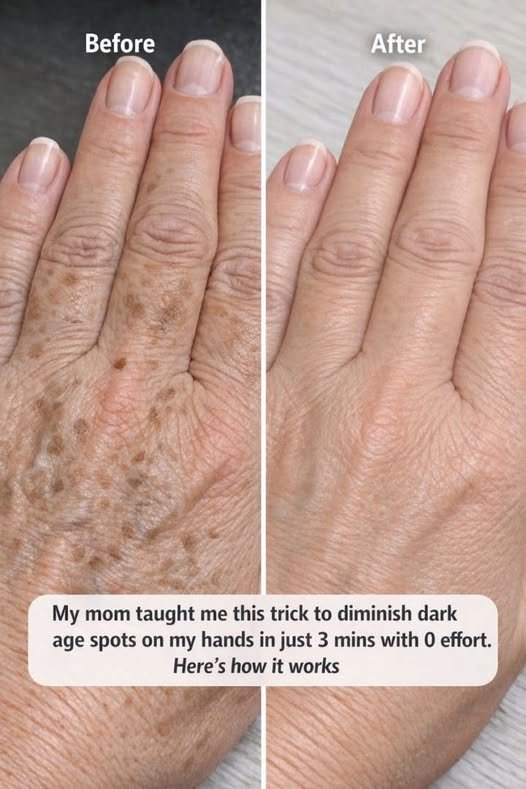
Have you noticed brown spots, patches, or uneven pigmentation appearing on your face over time? You're not alone. Dark spots are common and can develop for several reasons, including sun exposure, aging, hormonal changes, and previous skin inflammation.
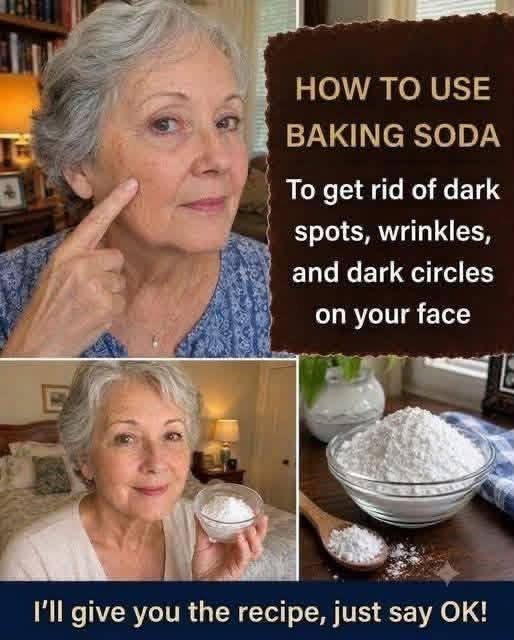
You may have seen online claims that a simple ingredient from your refrigerator can make blemishes disappear when mixed with your regular face cream. However, not every natural remedy is safe or effective, and no kitchen ingredient can reliably erase every type of dark spot overnight.
The good news is that there are practical skincare steps that may help improve the appearance of uneven skin tone.
What Causes Dark Spots on the Face?
Before choosing a treatment, it helps to understand what might be causing the discoloration.
1. Sun Exposure
Sunlight stimulates melanin, the pigment responsible for skin color. Over time, repeated exposure to ultraviolet (UV) rays can contribute to sun spots and uneven pigmentation.
2. Aging
As skin ages, areas of increased pigmentation may become more noticeable, particularly on parts of the face that receive frequent sunlight.
3. Acne and Skin Irritation
Pimples, insect bites, and irritated skin can sometimes leave dark marks after the original inflammation has healed. These marks are known as post-inflammatory hyperpigmentation.
4. Hormonal Changes
Melasma is a condition that can cause brown or gray-brown patches, often on the cheeks, forehead, and upper lip. Hormones and sun exposure can contribute to its development.
Because different conditions can look similar, identifying the cause is an important first step.
5 Skincare Ingredients That May Help Fade Dark Spots
Certain ingredients have evidence supporting their use for improving some forms of hyperpigmentation. Results depend on the cause of the spots, the formulation, and consistent use.
1. Vitamin C
Vitamin C is an antioxidant commonly included in skincare products. It may help brighten the appearance of uneven skin tone and protect against some effects of environmental exposure.
Choose a product formulated specifically for facial skin rather than applying acidic fruit juices directly to your face.
2. Niacinamide
Niacinamide, a form of vitamin B3, may help reduce the appearance of uneven pigmentation while supporting the skin barrier.
It is available in many moisturizers and serums and is generally well tolerated, although irritation is possible.
3. Azelaic Acid
Azelaic acid is used to treat certain skin conditions, including acne and some forms of hyperpigmentation. It may be particularly helpful for dark marks left after breakouts.
Ask a healthcare professional or pharmacist whether it is suitable for your skin.
4. Retinoids
Certain retinoids can help improve skin texture and discoloration over time. They may cause dryness, redness, and irritation, especially when first introduced.
Retinoids should generally be avoided during pregnancy or when trying to conceive unless your healthcare professional specifically advises otherwise.
5. Daily Sunscreen
Sun protection is one of the most important parts of managing dark spots.
Use a broad-spectrum sunscreen with SPF 30 or higher every day. Reapply as directed when outdoors, and consider a wide-brimmed hat and shade during periods of strong sunlight.
Without adequate sun protection, existing pigmentation may become darker and new spots may develop.
Can You Add a Natural Ingredient to Your Face Cream?
Be careful with homemade mixtures. Adding lemon juice, vinegar, baking soda, or other kitchen ingredients to a commercial moisturizer may irritate your skin or interfere with the product's formulation.
Lemon juice can cause irritation and may increase the risk of skin reactions following sunlight exposure. Mixing unfamiliar ingredients into a cream can also make it harder to know what is causing an adverse reaction.
A safer approach is to use products formulated for facial skin and introduce one new ingredient at a time. Patch-test new products according to their instructions, and stop using them if you develop irritation.
Natural does not automatically mean safe, and a remedy that works for one person may not be suitable for another.
How Long Does It Take for Dark Spots to Fade?
Pigmentation usually does not disappear in a few minutes. Depending on its cause and depth, improvement may take several weeks or months, and some spots require professional treatment.
Consistency matters. A simple routine can include:
Morning: Gentle cleanser, moisturizer, and broad-spectrum sunscreen.
Evening: Gentle cleanser, a suitable product containing a pigmentation-focused ingredient, and moisturizer.
Avoid starting several active ingredients at once, as irritation may worsen discoloration.
When Should You See a Dermatologist?
Most dark spots are harmless, but new or changing marks should not automatically be treated as cosmetic blemishes.
Arrange a medical assessment if a spot changes in size, shape, or color, develops irregular borders, bleeds, becomes painful, or looks noticeably different from your other spots.
A dermatologist can help determine whether the discoloration is ordinary pigmentation or something that requires further examination.
Frequently Asked Questions
Can dark spots disappear naturally?
Some marks, particularly those left after minor skin inflammation, may gradually fade. Others, including established sun spots, may persist without treatment.
Does moisturizer remove pigmentation?
Moisturizer helps maintain hydration and support the skin barrier, but ordinary moisturizer alone is not a reliable treatment for established dark spots.
Is sunscreen necessary when treating dark spots?
Yes. Daily sun protection helps prevent further UV-related pigmentation and supports the results of many treatments.
Can home remedies make dark spots worse?
Yes. Irritating substances and harsh exfoliation can inflame the skin and potentially lead to additional discoloration.
Final Thoughts
Dark spots on the face can have several causes, so the most effective approach depends on understanding what is behind them. Although online posts often promise a quick refrigerator remedy, there is no single natural ingredient that safely removes every kind of pigmentation.
Gentle skincare, proven topical ingredients, and daily sun protection may help improve uneven skin tone over time. If a spot is new or changing, have it examined before attempting to treat it at home.
Have you tried any skincare ingredients for dark spots? Share your experience in the comments!
Disclaimer: This article is for educational purposes only and does not replace professional medical advice, diagnosis, or treatment.