Don’t Be Fooled by Supermarket Meat: What the Color of Ground Beef Really Tells You
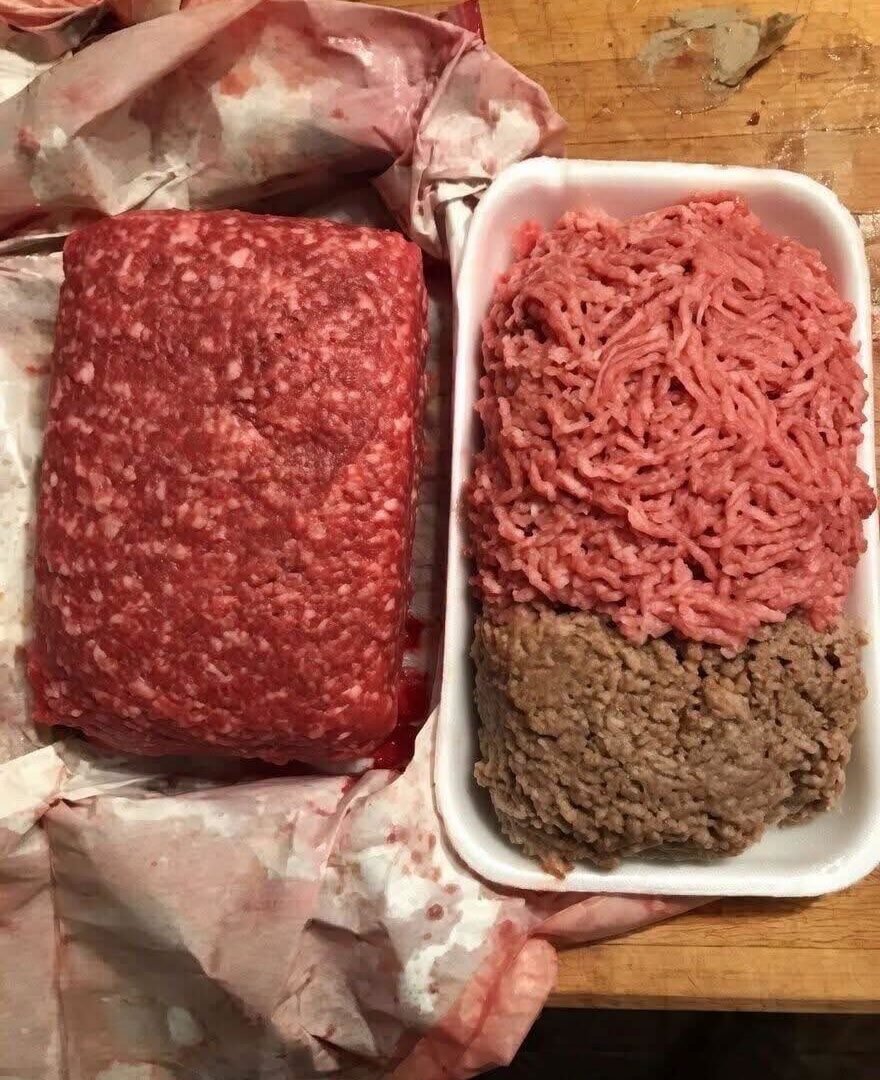
Have you ever noticed that ground beef can look bright red in one package and dark purple or brown in another? The difference can be surprising, especially when both packages are displayed in the same supermarket.
Some shoppers immediately assume that the darker meat is spoiled or that the brighter red meat must be fresher. But the truth is more complicated. Ground beef can change color for several reasons, and appearance alone cannot reliably tell you whether meat is safe to eat.
Before deciding which package to buy, it helps to understand what causes these color differences, how to recognize possible spoilage, and how to handle ground beef safely at home.
Why Does Ground Beef Have Different Colors?
The color of beef is largely influenced by a protein called myoglobin, which helps store oxygen in muscle tissue. Its appearance changes depending on how it interacts with oxygen.
1. Bright Red Ground Beef
When the surface of ground beef is exposed to oxygen, myoglobin can form a pigment called oxymyoglobin, which gives the meat its familiar bright red color.
This is why ground beef displayed in oxygen-permeable packaging often looks red on the outside.
However, bright red color does not guarantee that meat is fresh, uncontaminated, or safe to eat. Harmful bacteria may be present even when the meat looks normal.
2. Dark Red or Purple Ground Beef
When beef has limited exposure to oxygen, myoglobin can remain in a form that appears purplish-red or darker than expected.
This may happen inside tightly packed meat or in packaging designed to reduce oxygen exposure.
Dark or purple meat is not automatically spoiled. Its safety depends on several factors, including storage temperature, handling, packaging integrity, and how long it has been stored.
3. Brown or Gray Areas
As meat pigments change over time, parts of ground beef may become brown or gray. This can occur naturally during storage and does not always mean that the meat has spoiled.
Nevertheless, unusual discoloration combined with a sour or unpleasant smell, a sticky or slimy texture, damaged packaging, or a history of improper refrigeration should raise concerns.
The important point is that color alone cannot determine whether ground beef is safe.
Does Bright Red Meat Mean It Is Fresher?
Not necessarily.
Supermarkets may use different packaging systems, including oxygen-permeable wrapping and modified-atmosphere packaging. These systems affect how meat pigments react with oxygen and can produce different colors.
Some packaging methods help preserve a red appearance, while others limit oxygen exposure and may make the meat appear darker.
Therefore, two packages of ground beef can have different colors without one necessarily being safer or fresher than the other.
Rather than relying on color alone, check the use-by date, package condition, refrigeration, and storage instructions.
Four Signs Ground Beef May Be Spoiled
Although appearance is not a reliable safety test by itself, several warning signs deserve attention.
1. An Unpleasant Smell
Fresh ground beef usually has a mild smell. A strong sour, rancid, or otherwise unpleasant odor can indicate spoilage.
If the meat smells suspicious, do not taste it to check whether it is safe.
2. A Slimy or Sticky Surface
Ground beef that feels unusually slimy or sticky may have deteriorated, especially when accompanied by other warning signs.
Normal moisture on raw meat is not the same as a distinctly slimy coating.
3. Damaged or Swollen Packaging
Torn packaging, leaking juices, or unusual swelling may indicate a packaging or storage problem. Avoid buying meat in damaged packaging, and follow food-safety guidance if you discover these issues at home.
4. Improper Storage or an Expired Date
Even meat that looks and smells normal can contain harmful bacteria if it has been stored incorrectly.
Check the date and keep ground beef refrigerated at 40°F (4°C) or below. In the United States, raw ground beef should generally be cooked or frozen within one to two days of refrigeration at this temperature.
Always follow local food-safety guidance and the product's storage instructions.
How to Choose Ground Beef at the Supermarket
Use these practical checks when shopping:
Check the date: Choose a package within its stated safe-use period.
Inspect the packaging: Avoid packages that are torn, leaking, or otherwise damaged.
Check the temperature: Buy meat from a properly refrigerated display.
Look for proper labeling: Review the ingredients, fat percentage, origin information, and storage instructions where provided.
Keep meat cold: Place ground beef in your refrigerator promptly after shopping.
Avoid cross-contamination: Keep raw meat separate from ready-to-eat foods in your shopping basket and refrigerator.
If you are unsure about a package's condition, ask the butcher or supermarket staff rather than guessing from its color.
How to Store Ground Beef Safely at Home
Safe storage is essential because grinding spreads bacteria that may be present on the surface of meat throughout the product.
According to U.S. Department of Agriculture guidance, raw ground beef can generally be refrigerated at 40°F (4°C) or below for one to two days. If you do not plan to use it within that time, freeze it promptly.
For best quality, wrap the meat securely or use a suitable freezer container to reduce exposure to air and prevent leaks.
When thawing frozen ground beef, use one of these methods:
In the refrigerator.
In cold water in a leak-proof package, changing the water every 30 minutes.
In a microwave, followed by immediate cooking.
Do not thaw ground beef on the kitchen counter.
What Temperature Should Ground Beef Reach?
Ground beef should be cooked to an internal temperature of 160°F (71°C), measured with a food thermometer.
This temperature is important because grinding can distribute harmful bacteria, such as E. coli, throughout the meat.
Do not rely solely on the meat turning brown or on the juices appearing clear. A thermometer is a more reliable way to verify safe cooking.
If ground beef has spoiled or been stored unsafely, cooking it does not necessarily make it safe. Some toxins produced by certain bacteria may remain even after cooking.
Is It Safe to Eat Ground Beef That Has Turned Brown?
Sometimes. Brown or gray coloration can result from normal pigment changes, particularly when meat has been stored with limited oxygen exposure.
However, you should not use color as the only deciding factor. Check storage history, packaging, dates, and other signs of spoilage. If the meat has an unpleasant smell, a slimy texture, or an uncertain refrigeration history, the safest choice is to discard it.
When in doubt, do not taste it to test its safety.
Frequently Asked Questions
Why is some ground beef red while other ground beef is purple?
Oxygen exposure changes the form of myoglobin in the meat. Different packaging methods and exposure conditions can therefore produce bright red, purplish, or darker colors.
Does supermarket packaging make meat look fresher than it is?
Packaging can influence meat color, but a red appearance alone does not prove freshness or safety. Check the date, packaging condition, and storage requirements.
Can ground beef contain bacteria even if it looks normal?
Yes. Harmful bacteria may not change the color, smell, or texture of meat. Proper refrigeration and thorough cooking are essential.
How long can raw ground beef stay in the refrigerator?
At 40°F (4°C) or below, U.S. food-safety guidance generally recommends one to two days. Freeze it if you will not use it within that period.
Should I rinse ground beef before cooking?
No. Rinsing raw meat can spread contaminated water droplets around the sink and nearby surfaces. Cook it thoroughly instead.
Final Thoughts
Ground beef can look bright red, purple, brown, or gray for several reasons, including normal changes in myoglobin and differences in packaging. These color variations do not automatically mean that a supermarket is selling spoiled meat.
The safest approach is to consider the complete picture: packaging, dates, refrigeration, storage history, and signs of spoilage. Keep raw meat cold, prevent cross-contamination, and cook ground beef to an internal temperature of 160°F (71°C).
Understanding these simple facts can help you make more informed shopping decisions without relying on misleading claims or appearance alone.
Food-safety note: When meat has been stored improperly or shows clear signs of spoilage, discard it rather than trying to make it safe through cooking.