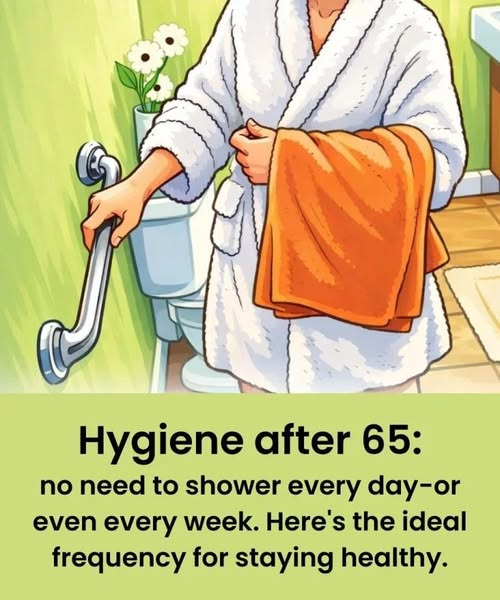
Why Daily Showers After 65 May Do More Harm Than Good
Taking a shower every morning may have been part of your routine for decades. But after age 65, you may notice that your skin feels drier, itchier, or more sensitive than it used to.
This is a common part of aging. As skin becomes thinner and produces less natural oil, long showers, very hot water, and harsh soaps can make dryness and irritation worse.
Does that mean older adults should stop showering every day? Not necessarily. The ideal bathing routine depends on your skin, activity level, health, and personal needs.
Here is how to maintain good hygiene while protecting aging skin.
1. Why Your Skin Changes After Age 65
As we get older, the skin gradually loses some of its ability to retain moisture. It may become thinner, drier, and more easily irritated.
Certain medications, medical conditions, indoor heating, and environmental factors can make dryness worse.
When the skin loses too much moisture, you may notice:
Itching or tightness after showering
Flaking or rough patches
Cracked skin, especially on the hands and lower legs
Increased sensitivity to soaps and fragrances
These changes do not mean you should stop bathing. Instead, they are a reason to use gentler products and avoid unnecessarily harsh bathing habits. <Cite refs={["turn823143search0","turn823143search1"]}/>
2. Can Showering Every Day Damage Aging Skin?
Daily showering is not automatically harmful. However, frequent long showers, especially with hot water and strong cleansers, can remove natural oils that help protect the skin.
This may leave the skin dry, irritated, or itchy.
For an older adult who spends most of the day indoors and does not sweat heavily, a full-body shower may not be necessary every single day. Someone who exercises, works outdoors, sweats heavily, or gets dirty may need to shower more often.
The goal is to maintain cleanliness without unnecessarily drying out your skin.
3. How Often Should Older Adults Shower?
There is no single schedule that suits everyone over 65.
Some older adults prefer a daily shower and tolerate it well. Others find that bathing a few times per week helps prevent dry skin, provided they maintain daily personal hygiene.
A practical approach is to:
Take a full shower as often as needed for your activity level and skin condition.
Wash your hands regularly throughout the day.
Clean the underarms, groin, feet, face, and other areas that need attention between showers.
Wash promptly after heavy sweating or exposure to dirt.
Adjust your routine if your skin becomes persistently dry or irritated.
If you have a skin condition, an open wound, incontinence, or specific medical instructions, your bathing routine may need to be different.
4. Use Warm Water Instead of Hot Water
A long, hot shower may feel relaxing, but hot water can worsen dry skin.
Dermatologists recommend using warm rather than hot water and keeping baths or showers short—typically around five to ten minutes. <Cite refs={["turn823143search0","turn823143search2"]}/>
To make your shower gentler:
Choose comfortably warm water.
Avoid prolonged soaking.
Use your hands or a soft washcloth instead of rough scrubbing tools.
Rinse away cleanser without repeatedly washing the same areas.
Pat your skin dry with a soft towel rather than rubbing vigorously.
These small changes can help reduce irritation.
5. Choose a Gentle, Fragrance-Free Cleanser
Strong soaps and fragranced body washes can irritate sensitive skin.
Look for a gentle cleanser labeled fragrance-free and suitable for dry or sensitive skin.
You generally do not need to apply soap aggressively to every part of your body during every shower. Pay particular attention to areas where sweat, oils, and dirt accumulate, such as the underarms, groin, feet, and skin folds.
Cleanse other areas as needed without excessive scrubbing.
If a product causes burning, itching, or redness, stop using it and seek advice if the symptoms persist.
6. Moisturize Immediately After Showering
One of the most useful habits for older adults with dry skin is applying moisturizer shortly after bathing.
After showering:
Gently pat your skin with a towel, leaving it slightly damp.
Apply a fragrance-free cream or ointment.
Pay extra attention to dry areas, such as the hands, arms, elbows, and lower legs.
Reapply moisturizer during the day whenever your skin feels dry.
Creams and ointments often work better than thin lotions for very dry skin because they help retain moisture. <Cite refs={["turn823143search0","turn823143search3"]}/>
Avoid applying oily products to the soles of your feet if they could make you slip.
7. Do Not Forget Daily Hygiene Between Showers
Taking fewer full showers does not mean neglecting cleanliness.
On days when you do not shower, you can use a clean, damp washcloth to wash areas that need attention. Dry carefully afterward, especially between the toes and within skin folds.
Daily hygiene is particularly important for people who sweat heavily, experience incontinence, or need help with personal care.
Caregivers should also check for redness, irritation, or sores when helping someone bathe. Persistent skin changes should be discussed with a healthcare professional. <Cite refs={["turn823143search1","turn823143search8"]}/>
8. Make Bathing Safer to Prevent Falls
Falls are a significant concern for older adults, and a wet bathroom can be hazardous.
A few simple adjustments can make bathing safer:
Install secure grab bars where appropriate.
Use a nonslip bath or shower surface.
Consider a sturdy shower chair if standing is difficult.
Keep towels and essential products within easy reach.
Avoid rushing when getting in or out of the shower.
Ask for assistance if balance or mobility problems make bathing unsafe.
Grab bars should be properly installed and secured to support body weight. A towel rail is not a substitute for a grab bar.
If you have recently fallen or feel unsteady, ask a healthcare professional or occupational therapist about making your bathroom safer.
When Should You Seek Medical Advice?
Dry skin is common with aging, but persistent or severe symptoms may need treatment.
Contact a healthcare professional if you experience:
Severe or persistent itching
Deep cracks, bleeding, or painful skin
A rash that spreads or does not improve
Signs of infection, such as increasing redness, warmth, swelling, or pus
Sudden changes in your skin or unexplained widespread dryness
An underlying skin condition or medical problem may sometimes be responsible.
Frequently Asked Questions
Should people over 65 shower every day?
Not necessarily. Some people benefit from daily showers, while others can shower less often depending on activity, hygiene needs, and skin condition. There is no universal rule based on age alone.
Is showering twice a week enough for seniors?
It may be sufficient for some less active older adults if they maintain daily hygiene between showers. People who sweat heavily, become dirty, or have particular medical needs may require more frequent bathing.
Can daily showers cause itchy skin?
They can contribute to dryness and itching, especially when showers are long, hot, or involve harsh soaps. Shorter showers, gentle cleansers, and regular moisturizing may help.
Should older adults use soap on their whole body?
A gentle cleanser should be used where needed to remove sweat, oils, and dirt. Excessive cleansing and scrubbing of already dry skin can worsen irritation.