Warning Signs of an Aneurysm in Men: Symptoms You Should Never Ignore
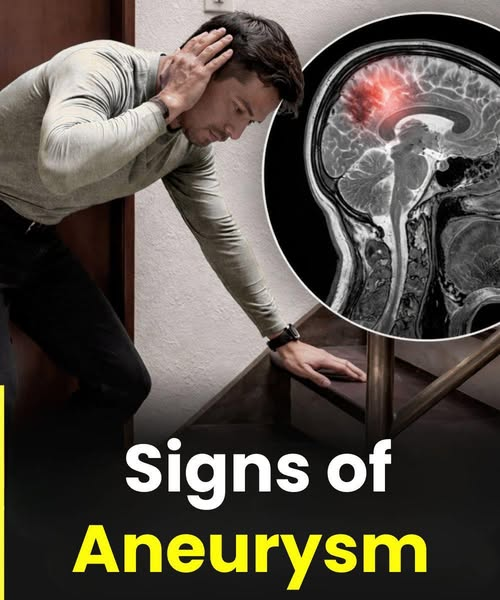
An aneurysm can develop silently for months or even years without causing noticeable symptoms. However, if it grows, begins to leak, or ruptures, it can become a life-threatening medical emergency. Knowing the warning signs—and understanding when to seek urgent medical care—can make a critical difference.
Although aneurysms can affect both men and women, certain types, particularly abdominal aortic aneurysms, are more common in men. Age, smoking, high blood pressure, and family history can also influence a person's risk.
What Is an Aneurysm?
An aneurysm is an abnormal bulge in the wall of a blood vessel. It develops when part of the vessel wall becomes weakened and expands under the pressure of circulating blood.
Aneurysms can occur in different parts of the body, including:
The brain: A cerebral aneurysm develops in a blood vessel in or around the brain.
The aorta: An aortic aneurysm affects the body's largest artery, which carries blood away from the heart.
The abdomen: An abdominal aortic aneurysm develops in the section of the aorta that passes through the abdomen.
The chest: A thoracic aortic aneurysm affects the portion of the aorta inside the chest.
Some aneurysms remain small and never cause problems. Others may enlarge, tear, or rupture, potentially leading to severe internal bleeding.
7 Warning Signs of an Aneurysm in Men
The symptoms depend on the aneurysm's location, size, and whether it has ruptured. The following signs deserve attention, but none of them alone confirms that someone has an aneurysm.
1. A Sudden, Extremely Severe Headache
A sudden headache that reaches maximum intensity within seconds or a few minutes can be a warning sign of a ruptured brain aneurysm.
People often describe it as the worst headache they have ever experienced. It may occur with nausea, vomiting, neck stiffness, or sensitivity to light.
Do not wait to see whether this type of headache improves. Seek emergency medical care immediately, even if you have never experienced a similar headache before.
2. Vision Changes or Pain Around One Eye
A larger, unruptured brain aneurysm may press on nearby nerves or brain tissue. Possible symptoms include pain above or behind one eye, double vision, or a drooping eyelid.
Sudden loss of vision or new vision changes accompanied by a severe headache require urgent medical assessment. These symptoms can have several causes, not just an aneurysm.
3. Neck Stiffness, Nausea, or Vomiting
A ruptured brain aneurysm can cause bleeding around the brain. In addition to a sudden, severe headache, a person may experience neck stiffness, nausea, vomiting, confusion, or sensitivity to light.
These symptoms should never be dismissed as an ordinary headache or stomach problem when they appear suddenly or are unusually severe.
4. Sudden, Severe Chest or Upper Back Pain
An aneurysm involving the aorta in the chest may cause pain in the chest or upper back. If the aorta tears or ruptures, the pain may be abrupt and severe.
Other warning signs can include shortness of breath, difficulty breathing or swallowing, fainting, or sudden weakness.
Call emergency services if these symptoms occur suddenly. Do not attempt to drive yourself to the hospital.
5. Persistent Abdominal or Back Pain
An abdominal aortic aneurysm often causes no symptoms. If it enlarges, however, it may produce deep, persistent pain in the abdomen, side, or back.
A throbbing sensation near the belly button can sometimes occur as well. These symptoms do not automatically mean an aneurysm is present, but persistent or unexplained pain should be medically evaluated.
Sudden, severe abdominal or back pain—especially with dizziness, fainting, pale skin, or difficulty breathing—is an emergency.
6. Weakness, Numbness, or Difficulty Speaking
A brain aneurysm that ruptures can cause a stroke-like emergency. Symptoms may include sudden weakness or numbness, difficulty speaking, confusion, seizures, or loss of consciousness.
Do not assume these symptoms will disappear on their own. Call emergency services immediately if someone develops sudden neurological changes.
7. Dizziness, Fainting, or Loss of Consciousness
Dizziness has many possible causes and is not a reliable sign of an aneurysm on its own. However, sudden fainting or loss of consciousness—particularly when accompanied by severe head, chest, abdominal, or back pain—can indicate a serious medical emergency.
Get emergency help rather than waiting for the person to recover without assessment.
Can an Aneurysm Develop Without Symptoms?
Yes. Many brain aneurysms and abdominal aortic aneurysms remain silent until they are discovered during imaging or another medical examination.
This is why relying only on symptoms is not enough. People with significant risk factors may need medical assessment or screening, even when they feel well.
Who Is at Higher Risk?
Several factors can increase the likelihood of developing certain types of aneurysms.
Smoking: A major risk factor, particularly for abdominal aortic aneurysms.
High blood pressure: Can place additional stress on blood vessel walls.
Older age: Aortic aneurysms become more common as people age.
Family history: Having a close relative with an aneurysm may increase risk.
Certain inherited conditions: Some genetic conditions affect blood vessel or connective tissue strength.
Existing blood vessel disease: Conditions affecting the arteries may increase risk.
Men aged 65 to 75 who have smoked at any point in their lives should ask a healthcare professional whether they need a one-time abdominal aortic aneurysm ultrasound. Screening recommendations vary by country and individual risk.
How Can an Aneurysm Be Diagnosed?
Doctors may use different tests depending on the suspected location. These can include:
Ultrasound to examine the abdominal aorta.
CT or CT angiography to assess blood vessels.
MRI or MR angiography to examine the brain or other vessels.
Other examinations chosen by the medical team.
Aneurysms that have not ruptured may be monitored with regular imaging or treated, depending on their size, location, growth, symptoms, and overall risk. Some require a procedure to prevent rupture; others can be managed through specialist follow-up.
How Can Men Reduce Their Risk?
Not every aneurysm can be prevented, but healthy habits can help reduce certain risk factors.
Stop smoking. Ask a healthcare professional for support if you need help quitting.
Manage blood pressure. Check it regularly and take prescribed medication as directed.
Attend recommended screening appointments. Discuss your age, smoking history, and family history with your healthcare professional.
Follow a heart-healthy lifestyle. Eat a balanced diet, stay physically active, and work toward a healthy weight.
Avoid recreational stimulant drugs such as cocaine. These can cause dangerous increases in blood pressure.
Tell your doctor about your family history. This information may affect your screening or monitoring plan.
These steps cannot guarantee that an aneurysm will never develop, but they can help reduce important cardiovascular risks.
When Should You Seek Emergency Medical Help?
Call your local emergency number immediately if you or someone nearby experiences:
A sudden, extremely severe headache.
Sudden weakness, facial drooping, or difficulty speaking.
Severe, sudden chest, abdominal, or back pain.
A seizure or loss of consciousness.
Severe pain accompanied by fainting, breathing difficulty, or signs of shock.
Do not wait for every symptom to appear. An aneurysm can rupture without much warning, and prompt treatment is essential.
Frequently Asked Questions
Are aneurysms more common in men?
Some types are more common in men. Abdominal aortic aneurysms, in particular, occur more frequently in men, especially as they get older. Brain aneurysms have different patterns of occurrence and risk.
Can you have an aneurysm without knowing it?
Yes. Many aneurysms cause no symptoms until they grow, press on nearby structures, or rupture. Some are found incidentally during imaging for another reason.
Does every severe headache mean an aneurysm?
No. Most headaches are not caused by aneurysms. However, a sudden, exceptionally severe headache—especially one that peaks within seconds or minutes—requires emergency assessment because it may signal bleeding in or around the brain.
Can an aneurysm be treated?
Yes. Depending on its location, size, and risk, treatment may involve monitoring, controlling blood pressure, or a procedure to repair or seal the affected blood vessel. A ruptured aneurysm requires emergency treatment.
Final Thoughts
Aneurysms can be difficult to detect because many cause no symptoms until they become dangerous. Recognizing sudden, severe headaches, unexplained chest or abdominal pain, and abrupt neurological changes can help people seek care quickly.
Men with a history of smoking, high blood pressure, older age, or a family history of aneurysms should discuss their individual risk with a healthcare professional. When warning signs appear suddenly, do not delay emergency care.
Medical disclaimer: This article is for educational purposes only and is not a substitute for professional medical advice, diagnosis, or treatment. If you suspect an aneurysm rupture, seek emergency medical help immediately.