10 Important Side Effects of Metoprolol That You Need to Know
Metoprolol is a commonly prescribed medication used to treat high blood pressure, angina (chest pain), certain heart rhythm problems, and some cases of heart failure. It may also be prescribed to improve survival after a heart attack.
Although metoprolol helps many people manage cardiovascular conditions, it can cause side effects. Some are mild and improve as the body adjusts to treatment, while others require medical attention.
Understanding these possible effects can help you recognize when to contact your healthcare professional and how to use the medication safely.
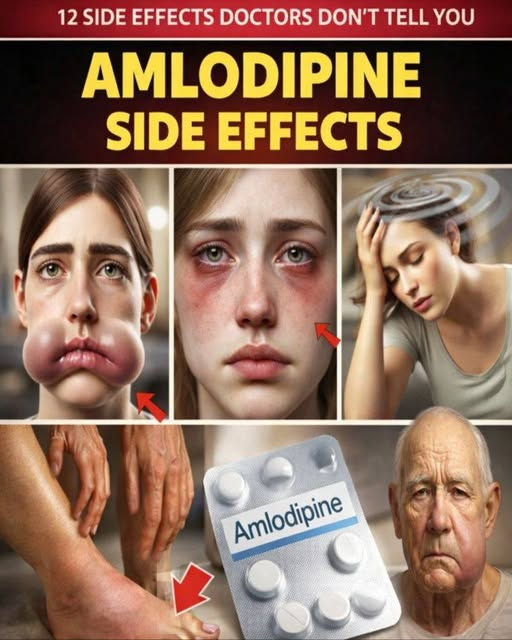
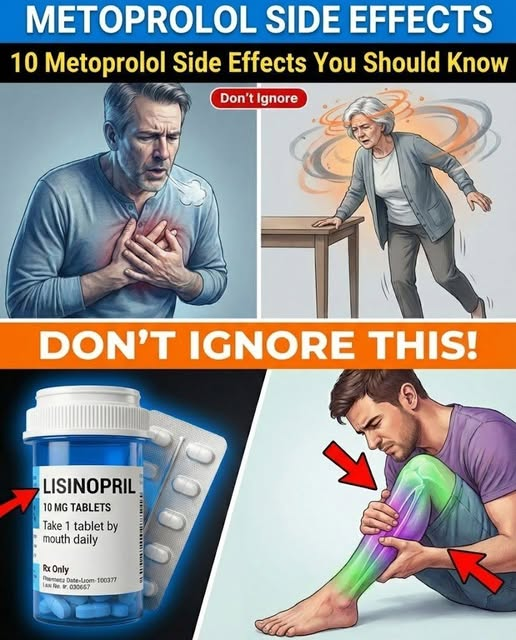
Important: The image accompanying this article shows a bottle labeled amlodipine, not metoprolol. These are different medications with different side-effect profiles. Ankle swelling is particularly common with amlodipine, although swelling can also occur with metoprolol and may sometimes indicate a more serious problem. <Cite refs={["turn992420search2","turn992420search0"]}/>
What Is Metoprolol?
Metoprolol belongs to a class of medications called beta blockers. It works by reducing the effects of certain stress hormones on the heart, helping slow the heart rate and lower blood pressure.
Doctors may prescribe it for:
High blood pressure.
Angina, or chest pain related to the heart.
Certain abnormal heart rhythms.
Heart failure, in appropriate patients.
Treatment following a heart attack.
Metoprolol comes in different formulations, including immediate-release and extended-release products. The prescribed dose and formulation depend on the condition being treated.
1. Tiredness and Fatigue
Feeling tired or lacking energy is one of the commonly reported side effects of metoprolol.
Because the medication slows the heart rate and reduces the heart's workload, some people notice fatigue, particularly when starting treatment or after a dose adjustment.
What may help: Give yourself time to adjust, get adequate rest, and discuss persistent fatigue with your healthcare professional. Do not change your dose independently.
2. Dizziness or Lightheadedness
Metoprolol lowers blood pressure, which may cause dizziness or lightheadedness, especially when standing up quickly.
These symptoms may be more noticeable at the beginning of treatment or after a dose increase.
What may help: Rise slowly from sitting or lying down. If you feel dizzy, sit or lie down until the sensation passes, and avoid driving or operating machinery while affected.
Contact your healthcare professional if dizziness persists, becomes severe, or is accompanied by fainting.
3. A Slower Heart Rate
Metoprolol is designed to slow the heart rate, but in some people it can slow it too much.
Possible warning signs include unusual weakness, dizziness, fainting, or feeling as though you might pass out.
A slower heart rate is not automatically dangerous for everyone taking this medicine, but symptoms should not be ignored.
Seek prompt medical advice if you experience these symptoms. Severe fainting, collapse, or difficulty breathing requires emergency assistance.
4. Cold Hands and Feet
Some people notice that their hands or feet feel colder than usual while taking metoprolol.
This may relate to changes in circulation and the medication's effects on the cardiovascular system.
If the sensation is mild, mention it at your next medical review. However, seek prompt assessment if you develop severe pain, marked color changes, numbness, or a suddenly cold limb.
5. Headaches
Headaches can occur during metoprolol treatment, especially when beginning the medication.
Mild headaches may improve as your body adjusts. Staying hydrated, resting, and maintaining regular sleep habits may help.
If headaches are severe, persistent, or unusual for you, contact your healthcare professional. A sudden, extremely severe headache or a headache accompanied by weakness or difficulty speaking requires emergency assessment.
6. Digestive Problems
Some people experience digestive symptoms such as diarrhea, nausea, or dry mouth while taking metoprolol.
These effects are not experienced by everyone and may vary depending on the individual and the medication formulation.
If symptoms persist, become troublesome, or prevent you from eating and drinking normally, ask your doctor or pharmacist for advice.
Do not take additional medication to manage persistent symptoms without checking whether it is appropriate for you.
7. Low Blood Pressure
Because metoprolol helps lower blood pressure, some people may develop symptoms of low blood pressure.
These can include dizziness, weakness, blurred vision, or feeling faint.
Your healthcare professional may monitor your blood pressure and heart rate to determine whether your treatment is working as intended.
If you experience repeated dizziness or faintness, contact your clinician. Do not reduce or skip prescribed doses without medical guidance.
8. Shortness of Breath or Breathing Difficulties
Metoprolol can cause or worsen breathing problems in some people, particularly those with certain underlying lung conditions. It may also be associated with worsening heart failure in some circumstances.
New or worsening shortness of breath, wheezing, or chest tightness should be taken seriously.
Seek emergency medical care for severe breathing difficulty or chest pain. If you notice new breathlessness during everyday activities, contact a healthcare professional promptly rather than assuming it is a routine side effect.
9. Swelling of the Feet, Ankles, or Lower Legs
Swelling can occur in people taking metoprolol, but it should not automatically be attributed to the medication.
Swelling may also be associated with heart failure, kidney problems, circulation disorders, or other medications.
Amlodipine, the medication shown in the accompanying image, is particularly well known for causing ankle and lower-leg swelling. <Cite refs={["turn992420search2","turn992420search1","turn992420search4"]}/>
If you develop new or worsening swelling, contact your healthcare professional. Sudden swelling in one leg, especially with pain, warmth, or redness, needs urgent medical assessment because a blood clot is one possible cause.
If swelling occurs alongside sudden shortness of breath or chest pain, seek emergency care immediately.
10. Changes in Blood Sugar Warning Signs
Metoprolol can make some warning signs of low blood sugar, particularly a rapid heartbeat, less noticeable.
This is especially important for people with diabetes who use insulin or other medicines that can lower blood sugar.
Other symptoms of low blood sugar, such as sweating, confusion, or weakness, may still occur.
If you have diabetes, ask your healthcare professional how often you should monitor your blood sugar and how to recognize and treat low blood sugar while taking metoprolol.
When Should You Contact a Doctor?
Contact your healthcare professional if you experience persistent fatigue, repeated dizziness, troublesome digestive symptoms, new swelling, or other side effects that affect your daily life.
Seek emergency assistance if you experience:
Severe difficulty breathing.
Chest pain or pressure.
Fainting or collapse.
Severe weakness accompanied by a very slow heartbeat.
Sudden one-sided weakness, facial drooping, or difficulty speaking.
Sudden leg swelling with chest pain or shortness of breath.
These symptoms can indicate serious medical problems and should not be dismissed as ordinary medication side effects.
Can You Stop Taking Metoprolol If You Have Side Effects?
Do not stop metoprolol suddenly without medical guidance.
Abruptly discontinuing this medication can worsen angina and may increase the risk of serious heart problems, particularly in people with coronary artery disease.
If you believe the medication is causing side effects, contact your doctor or pharmacist. They can assess the symptoms and determine whether your treatment needs adjustment.
Keep taking the medication as prescribed unless a healthcare professional advises otherwise, or emergency clinicians instruct you differently in an urgent situation.
Metoprolol vs. Amlodipine: What Is the Difference?
Feature
Metoprolol
Amlodipine
Medication class
Beta blocker
Calcium channel blocker
Main action
Slows heart rate and reduces the heart's workload
Relaxes and widens blood vessels
Common side effects
Fatigue, dizziness, slow heart rate
Ankle swelling, headache, dizziness
Important caution
Do not stop suddenly without medical guidance
Do not stop without medical guidance
Both medications are used to treat high blood pressure and certain heart conditions, but they work differently. Some patients are prescribed both, depending on their medical needs. <Cite refs={["turn992420search2","turn992420search0"]}/>
Frequently Asked Questions
Is metoprolol safe for long-term use?
Metoprolol is used long-term by many patients when prescribed for an appropriate medical condition. Its safety depends on the individual's health, dose, other medications, and response to treatment.
Does metoprolol cause ankle swelling?
Swelling can occur, but it is important to investigate new or worsening swelling rather than assuming metoprolol is responsible. Amlodipine is a more common medication-related cause of ankle swelling.
Can metoprolol cause a slow heartbeat?
Yes. Slowing the heart rate is part of its intended action, but an excessively slow rate accompanied by dizziness, fainting, or severe weakness needs prompt medical assessment.
Should I take metoprolol at the same time every day?
Follow the instructions on your prescription label. Taking it consistently as prescribed can help maintain its intended effect.
What should I do if I miss a dose?
Follow the instructions provided with your specific formulation or ask your pharmacist. Do not double the next dose to make up for a missed one.
Final Thoughts
Metoprolol can be an important part of treatment for high blood pressure and several heart conditions. Although side effects such as fatigue, dizziness, headaches, and cold hands or feet may occur, serious complications are possible and require appropriate medical attention.
Pay attention to new symptoms, keep your medical appointments, and discuss concerns with your healthcare professional before making changes to your treatment.
Most importantly, never stop a prescribed heart medication abruptly without medical guidance. Knowing what to watch for can help you use your medication more safely and confidently.
Medical disclaimer: This article is for educational purposes only and is not a substitute for professional medical advice, diagnosis, or treatment.