Does Sleeping on Your Right Side Affect Digestion? What You Should Know
Have you ever noticed that heartburn or acid reflux becomes worse when you lie down at night? Your sleeping position may play a role.
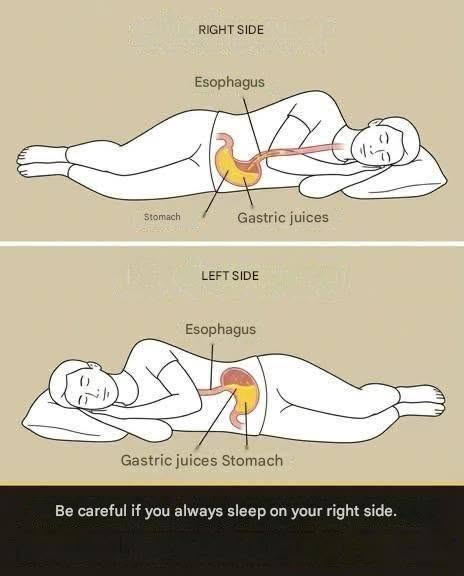
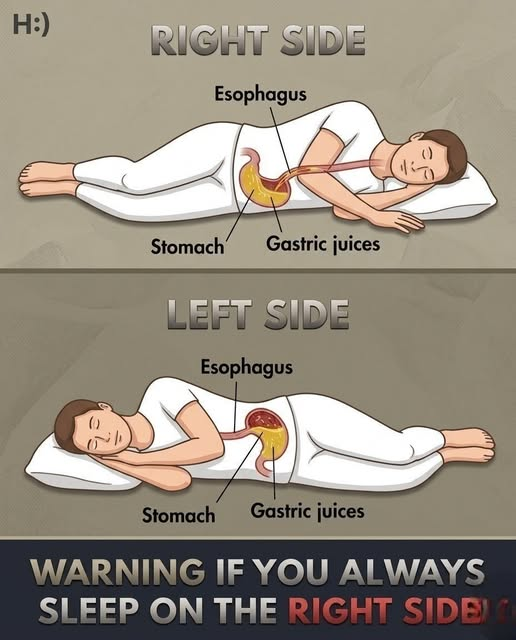
The position you choose can influence how easily stomach contents move back toward the esophagus, the tube that carries food from your mouth to your stomach. For people who experience nighttime acid reflux, sleeping on the left side may help reduce symptoms.
However, this does not mean that sleeping on the right side is dangerous for everyone. The best sleeping position depends on your symptoms, health conditions, and personal comfort.
Why Does Sleeping Position Matter?
The stomach produces acid to help digest food. Normally, a muscular valve called the lower esophageal sphincter helps prevent stomach contents from flowing backward into the esophagus.
When this barrier does not work effectively, stomach acid can move upward and cause gastroesophageal reflux, commonly known as acid reflux.
Symptoms may include:
A burning sensation in the chest, often called heartburn.
A sour or bitter taste in the mouth.
Food or liquid coming back up into the throat.
Discomfort that becomes worse after meals or when lying down.
Nighttime coughing or disturbed sleep in some people.
Not everyone who sleeps on their right side experiences reflux, and sleeping position is only one factor that can influence symptoms.
1. Sleeping on Your Left Side May Help Reduce Acid Reflux
For people who regularly experience nighttime heartburn, lying on the left side may be beneficial.
The stomach's natural position means that lying on the left side can make it more difficult for stomach contents to flow back into the esophagus. Research suggests that left-side sleeping can reduce acid exposure in the esophagus and may help some people experience fewer nighttime symptoms.
If you often wake up with heartburn, try sleeping on your left side and notice whether your symptoms improve.
2. Why Might the Right Side Make Reflux Worse?
For some people, sleeping on the right side may make acid reflux more likely or prolong the time acid remains in the esophagus.
This is related to the position of the stomach and the way stomach contents move when the body is lying down.
However, individual experiences vary. Sleeping on the right side does not automatically cause reflux, damage the stomach, or lead to a serious disease.
If you sleep comfortably on your right side and do not experience reflux symptoms, there is generally no reason to assume that your position is harming you.
3. Elevating Your Upper Body May Help at Night
If nighttime reflux continues, changing your sleeping position may not be enough on its own.
Raising the upper part of your body can help reduce reflux for some people. A wedge pillow or a bed designed to elevate the upper torso may be more effective than simply stacking ordinary pillows under your head.
The goal is to elevate your chest and upper body rather than bend only your neck.
4. Avoid Lying Down Immediately After Eating
Eating a large meal and lying down shortly afterward can make reflux symptoms worse.
Consider these habits:
Finish eating at least three hours before going to bed if you experience nighttime reflux.
Avoid meals that make your symptoms worse.
Eat smaller meals if large portions trigger heartburn.
Limit alcohol and avoid smoking.
Maintain a healthy weight if excess weight contributes to your symptoms.
Common triggers include high-fat meals, chocolate, caffeine, spicy foods, and acidic foods, but triggers differ from person to person. You do not necessarily need to avoid every food on this list.
5. Is Sleeping on Your Right Side Ever Appropriate?
Yes. Side sleeping is a normal sleeping position, and comfort matters.
Some people may prefer the right side because of personal comfort, pregnancy-related needs, or other health considerations. People with specific medical conditions may receive individualized advice about sleeping positions.
If you have a medical condition that affects breathing, circulation, or digestion, ask your healthcare professional whether a particular position would be helpful for you.
Pregnant people who have questions about sleep position should follow current pregnancy-specific guidance from their healthcare professional.
6. What If You Experience Heartburn Every Night?
Frequent acid reflux deserves attention, especially if it interferes with sleep or daily activities.
A healthcare professional can assess whether you may have gastroesophageal reflux disease (GERD) or another condition and discuss appropriate treatment.
Seek prompt medical assessment if you have difficulty swallowing, persistent vomiting, unexplained weight loss, or signs of bleeding, such as black stools or vomiting blood.
Important: Chest pain should not automatically be attributed to heartburn. If chest pain is severe, new, or accompanied by shortness of breath, sweating, faintness, or pain spreading to the arm, jaw, or back, seek emergency medical help.
Frequently Asked Questions
Is sleeping on the right side bad for your stomach?
Not necessarily. Right-side sleeping is safe for many people. However, some people with acid reflux may experience worse symptoms in this position.
Which side is better for acid reflux?
Research generally favors the left side for people with nighttime acid reflux. It may help reduce acid exposure in the esophagus, although individual results vary.
Should I switch sides if I do not have heartburn?
There is no universal need to change your sleeping position if you are comfortable and have no symptoms or medical advice requiring a specific position.
Can changing sleeping positions cure acid reflux?
Changing position may reduce symptoms, but it does not necessarily treat the underlying cause. Meal timing, trigger management, elevation of the upper body, and medical treatment may also be needed.
Final Thoughts
Your sleeping position can influence nighttime acid reflux, but the effects are not the same for everyone. For people who experience heartburn while lying down, sleeping on the left side and elevating the upper body may help.
The key is not to fear sleeping on your right side, but to understand your own symptoms and make adjustments that improve your comfort.
If reflux happens frequently, disrupts your sleep, or comes with concerning symptoms, speak with a healthcare professional rather than relying on sleeping position alone.
Medical disclaimer: This article is for educational purposes only and does not replace professional medical advice, diagnosis, or treatment.