Pain on the Left Side of the Body: What Could It Mean and When Should You Pay Attention?
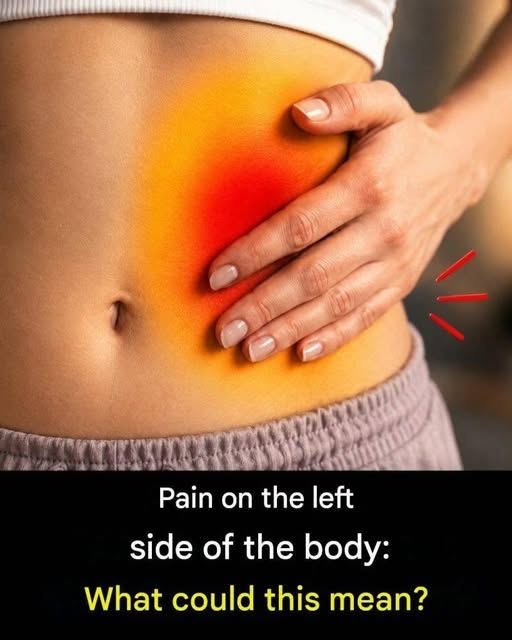
Pain on the left side of the body can have many different causes. Sometimes, it is related to something relatively minor, such as trapped gas, constipation, a strained muscle, or indigestion. In other cases, left-sided pain can be associated with kidney problems, intestinal conditions, reproductive health issues, or even a heart or lung emergency.
One important detail is that the location of the pain alone cannot tell you exactly what is wrong. The area affected, the type of pain, how suddenly it started, how long it lasts, and any other symptoms all help determine what might be causing it.
For example, discomfort beneath the left ribs may have different causes from pain in the lower-left abdomen, the left side of the chest, or the left flank near the back. Understanding these differences can help you recognize when it is reasonable to monitor mild symptoms and when medical attention is necessary.
This guide explains common causes of left-sided pain, the warning signs you should not ignore, and when to seek professional medical care.
1. What Does Pain on the Left Side of the Body Mean?
The left side of the body contains several important organs and structures, including the heart, left lung, stomach, spleen, pancreas, left kidney, intestines, muscles, ribs, and nerves.
Pain can originate in one of these structures or be felt in an area away from its actual source. This is sometimes called referred pain.
The location provides useful clues, but it does not establish a diagnosis. A healthcare professional may need to ask questions, perform an examination, and order tests to determine the cause. <Cite refs={["turn650989search0","turn650989search2"]}/>
Left-sided pain can generally be divided into several areas:
Upper-left abdomen: Below the left ribs, where the stomach, spleen, pancreas, and other structures are located.
Lower-left abdomen: Below the navel and toward the left hip, where parts of the large intestine and reproductive organs may be involved.
Left flank or side of the back: Around the area between the ribs and hip, where kidney problems or muscular pain may occur.
Left side of the chest: Where heart, lung, rib, and muscle conditions may cause discomfort.
Left arm, shoulder, or leg: Where muscular, joint, nerve, circulatory, or referred pain may occur.
Because these areas have different possible causes, identifying the precise location is an important first step.
2. Common Causes of Pain on the Left Side
Not every episode of left-sided pain signals a serious illness. Several common digestive and muscular problems can cause temporary discomfort.
Gas and bloating
Trapped gas in the digestive tract can cause pressure, cramping, or sharp discomfort. The pain may move around the abdomen and sometimes be felt more strongly on the left side.
Other symptoms may include bloating, frequent burping, or passing gas.
Gas-related discomfort may improve after passing gas or having a bowel movement. However, persistent, severe, or worsening pain should not automatically be attributed to gas.
Indigestion
Indigestion can cause discomfort in the upper abdomen, particularly after eating. Some people experience burning, fullness, bloating, nausea, or belching.
Large meals, certain foods, and acid reflux can contribute to these symptoms.
However, pain in the upper abdomen or chest can sometimes resemble indigestion even when a more serious condition is responsible. New or unexplained chest discomfort should be assessed carefully, particularly when accompanied by breathlessness, sweating, dizziness, or pain spreading to the arm or jaw.
Constipation
Constipation occurs when bowel movements become less frequent or difficult to pass. It can cause abdominal pressure, bloating, and cramping, including discomfort in the lower-left abdomen.
Other possible signs include hard stools, straining, and feeling that the bowel has not emptied completely.
Increasing dietary fiber gradually, drinking enough fluids, and staying physically active can help prevent constipation for many people.
However, sudden severe abdominal pain, vomiting, or an inability to pass stool or gas requires urgent medical assessment rather than routine self-treatment. <Cite refs={["turn650989search1","turn650989search8"]}/>
Muscle strain
Muscles between the ribs, across the abdomen, and around the back can become strained after lifting heavy objects, exercising, coughing repeatedly, or making an awkward movement.
Muscular pain may become more noticeable when twisting, stretching, coughing, or pressing the affected area.
Rest and avoiding activities that worsen the discomfort may help a mild strain. Nevertheless, pain that is severe, unexplained, or accompanied by other symptoms should not be assumed to be muscular without an assessment.
3. Pain in the Upper-Left Abdomen
Pain below the left ribs can involve the stomach, pancreas, spleen, left kidney, bowel, or structures outside the abdomen.
Gastritis and stomach ulcers
Gastritis refers to inflammation of the stomach lining. It may cause upper abdominal discomfort, nausea, loss of appetite, or a feeling of fullness.
A stomach ulcer can also cause burning or gnawing pain in the upper abdomen. Some ulcers are associated with Helicobacter pylori infection, while others are linked to certain medications, including nonsteroidal anti-inflammatory drugs.
Symptoms alone cannot reliably distinguish gastritis from an ulcer or other conditions.
Vomiting blood or material resembling coffee grounds, or passing black, tarry stools, can indicate gastrointestinal bleeding and requires emergency medical care.
Pancreatitis
The pancreas is located in the upper abdomen, extending toward the left side. Inflammation of this organ, called pancreatitis, can cause significant upper abdominal pain that may spread to the back.
Other symptoms may include nausea, vomiting, fever, and abdominal tenderness.
Acute pancreatitis can be serious and usually requires hospital assessment. Severe, persistent upper abdominal pain, particularly with vomiting or fever, should not be managed at home without medical advice. <Cite refs={["turn650989search0","turn650989search6"]}/>
Spleen problems
The spleen sits beneath the left rib cage. Certain infections and medical conditions can enlarge it, sometimes causing pain or a feeling of fullness in the upper-left abdomen.
A ruptured spleen can cause internal bleeding. This is particularly concerning after an injury or blow to the abdomen or left ribs.
Sudden pain in this area following an accident, especially with dizziness, fainting, weakness, or pale skin, requires emergency care.
Kidney stones or kidney infection
Although the kidneys are located toward the back, kidney problems can cause pain along one side of the body.
A kidney stone may cause intense pain that comes in waves and spreads toward the lower abdomen or groin. Nausea, vomiting, or blood in the urine may also occur.
A kidney infection may cause pain in the side or back, fever, chills, nausea, or urinary symptoms such as burning and frequent urination.
A suspected kidney infection needs prompt medical assessment. Fever or chills combined with severe side pain, difficulty urinating, or vomiting should be evaluated urgently.
4. Pain in the Lower-Left Abdomen
The lower-left abdomen contains part of the large intestine and may also be affected by the bladder and reproductive organs.
Diverticular disease and diverticulitis
Diverticula are small pouches that can develop in the wall of the large intestine. When these pouches are present without symptoms, the condition is called diverticulosis.
When the pouches become inflamed or infected, the condition is called diverticulitis.
Diverticulitis commonly causes pain in the lower-left abdomen. Other symptoms may include fever, constipation or diarrhea, nausea, and changes in bowel habits.
Persistent or severe lower-left abdominal pain, especially with fever, deserves prompt medical assessment. <Cite refs={["turn650989search7","turn650989search0"]}/>
Irritable bowel syndrome
Irritable bowel syndrome, or IBS, is a digestive condition that can cause recurring abdominal pain, bloating, diarrhea, constipation, or alternating bowel habits.
The discomfort may occur on the left side, although it is not limited to one area.
IBS can be influenced by bowel movements, certain foods, stress, and changes in gut function. However, symptoms that are new, progressively worsening, or accompanied by blood in the stool, unexplained weight loss, or fever should be investigated rather than automatically attributed to IBS.
Urinary tract problems
Bladder inflammation or a urinary tract infection can sometimes cause lower abdominal discomfort. People may also experience burning during urination, frequent urges to urinate, or cloudy urine.
If a urinary infection spreads to the kidneys, fever, chills, nausea, and pain in the side or back may develop.
A healthcare professional can determine whether urine testing or treatment is needed.
5. Left-Sided Pain in Women
Pain on the left side of the lower abdomen or pelvis may be related to the menstrual cycle, ovaries, uterus, or other reproductive structures.
The timing of the pain and the presence of other symptoms can provide useful clues, but they do not confirm the cause.
Menstrual cramps
Menstrual cramps can cause lower abdominal pain that spreads into the back or thighs. The discomfort may occur on both sides or feel stronger on one side.
Mild cramps are common, but severe pain, a major change from usual symptoms, or pain that interferes with daily activities should be discussed with a healthcare professional.
Ovulation pain
Some people experience brief discomfort on one side of the lower abdomen around the time an ovary releases an egg.
Ovulation pain can last from a few minutes to a day or two. It may occur on either side and can vary between cycles.
However, sudden or severe one-sided pelvic pain should not automatically be attributed to ovulation.
Ovarian cysts
Ovarian cysts are fluid-filled sacs that develop on or within an ovary. Many cause no symptoms and resolve without treatment.
Larger cysts may cause pelvic pressure, bloating, or one-sided discomfort. If a cyst ruptures or an ovary twists, sudden severe pain can occur.
Severe pelvic pain, particularly with nausea, vomiting, faintness, or weakness, requires urgent assessment.
Endometriosis
Endometriosis occurs when tissue similar to the lining of the uterus grows elsewhere in the body. It can cause painful periods, pelvic pain, discomfort during sex, and pain during bowel movements or urination.
The symptoms vary considerably, and diagnosis may require a medical assessment.
Ectopic pregnancy
An ectopic pregnancy occurs when a pregnancy develops outside the uterus, most commonly in a fallopian tube. It can cause pain on one side of the lower abdomen, vaginal bleeding, or shoulder-tip pain.
A ruptured ectopic pregnancy can cause dangerous internal bleeding.
If pregnancy is possible and you develop one-sided lower abdominal pain, especially with vaginal bleeding, dizziness, fainting, or shoulder-tip pain, seek urgent medical care. Do not wait for a home pregnancy test to become positive if symptoms are concerning. <Cite refs={["turn650989search0","turn650989search1"]}/>
6. When Left-Sided Pain Could Be Related to the Heart
One of the most important reasons to take certain types of left-sided pain seriously is that heart-related pain does not always feel exactly the same from person to person.
A heart attack may cause pressure, tightness, squeezing, heaviness, or discomfort in the chest. The discomfort may spread to the left or either arm, shoulder, back, neck, jaw, or upper abdomen.
Other possible symptoms include:
Shortness of breath
Cold sweating
Nausea or vomiting
Lightheadedness or dizziness
Unusual weakness or fatigue
A feeling of pressure or discomfort that does not go away
Some people, including older adults and people with diabetes, may experience less typical symptoms.
Left-sided pain alone does not mean someone is having a heart attack. But new chest pressure or discomfort, especially with breathlessness, sweating, nausea, faintness, or pain spreading to the arm or jaw, requires emergency medical attention.
Do not wait to see whether the symptoms disappear, and do not drive yourself to the hospital if a heart attack is suspected. Contact your local emergency service. <Cite refs={["turn650989search2","turn650989search5"]}/>
7. Could Left-Sided Chest Pain Come From the Lungs?
Yes. Conditions affecting the lungs or the lining around them can cause pain on the left side of the chest.
Pleurisy
Pleurisy is inflammation of the tissue surrounding the lungs. It can cause sharp chest pain that becomes worse when breathing deeply, coughing, or sneezing.
It can have several causes, including infections and other medical conditions, so assessment may be needed.
Pneumonia
Pneumonia is a lung infection that can cause cough, fever, chills, shortness of breath, and chest discomfort.
When inflammation affects the outer parts of the lung or its surrounding tissues, pain may be felt more strongly on one side.
Pulmonary embolism
A pulmonary embolism occurs when a blood clot blocks a blood vessel in the lungs. It can cause sudden shortness of breath, chest pain that may worsen with breathing, a rapid heartbeat, dizziness, or coughing up blood.
This is a potentially life-threatening emergency. Seek emergency medical care if these symptoms occur, particularly when they begin suddenly. <Cite refs={["turn650989search0","turn650989search5"]}/>
8. What If the Pain Is in the Left Arm, Shoulder, or Back?
Pain on the left side of the body is not always abdominal pain.
Muscle strain, joint problems, nerve irritation, and injuries can cause discomfort in the arm, shoulder, ribs, or back. The location and movement-related nature of the pain may help a clinician narrow down possible causes.
However, certain symptoms require greater caution.
Left arm or shoulder pain
Arm or shoulder pain can result from an injury, tendon irritation, or a neck problem. But pain in these areas can also accompany a heart attack, especially when combined with chest pressure, breathlessness, sweating, nausea, or dizziness.
Left-sided back or flank pain
Pain around the left flank may be muscular or related to a kidney stone or kidney infection. Fever, blood in the urine, or painful urination can provide important clues.
Left-sided weakness or numbness
Sudden weakness or numbness on one side of the body is different from ordinary localized pain.
If it occurs suddenly, especially with facial drooping, difficulty speaking, confusion, loss of balance, or vision changes, it may indicate a stroke.
Call your local emergency service immediately if stroke symptoms appear, even if they improve after a few minutes.
Do not assume that sudden one-sided weakness is caused by sleeping in an awkward position or a pinched nerve.
9. Warning Signs You Should Never Ignore
Some symptoms accompanying left-sided pain require emergency assessment rather than waiting for a routine appointment.
Seek emergency medical care if you experience:
Sudden, severe, or rapidly worsening abdominal pain
Chest pressure or pain with shortness of breath, sweating, or faintness
Sudden one-sided weakness, facial drooping, or difficulty speaking
Severe abdominal pain after an injury or accident
Abdominal pain with a rigid, very tender, or markedly swollen abdomen
Vomiting blood or passing black, tarry or heavily bloody stools
Severe pain with persistent vomiting or an inability to keep fluids down
Sudden one-sided pelvic pain with fainting or possible pregnancy
Sudden breathlessness or chest pain with coughing up blood
These warning signs do not identify one specific disease. They indicate that urgent assessment may be necessary to rule out serious conditions. <Cite refs={["turn650989search1","turn650989search2","turn650989search8"]}/>
If you are in Morocco, contact the appropriate local emergency medical service or go to the nearest emergency department. Do not delay care to continue researching symptoms online.
10. When Should You Make a Doctor's Appointment?
Not all left-sided pain requires an emergency department visit, but persistent or recurring discomfort deserves attention.
Arrange a medical appointment if:
The pain keeps returning without a clear explanation.
Mild pain gradually becomes more frequent or intense.
Symptoms do not improve over the expected period.
You have unexplained changes in bowel habits.
You notice blood in your urine or stool.
You experience ongoing bloating, appetite changes, or unexplained weight loss.
You have recurring urinary symptoms.
Pelvic pain is severe, unusual, or interfering with normal activities.
A clinician can assess the location, duration, severity, and associated symptoms to determine whether tests or treatment are needed.
Do not assume that pain is harmless simply because it is mild. Some important conditions initially cause subtle symptoms.
11. How Do Doctors Find the Cause?
The evaluation depends on the location of the pain and the symptoms that accompany it.
A healthcare professional may ask:
Where exactly is the pain?
When did it begin?
Did it start suddenly or gradually?
Is it constant or does it come and go?
Is it sharp, dull, burning, cramping, or pressure-like?
Does eating, moving, breathing, urinating, or having a bowel movement affect it?
Do you have fever, vomiting, bowel changes, or urinary symptoms?
Is pregnancy possible?
Have you recently had an injury or started a new medication?
The physical examination may include checking the abdomen, chest, back, vital signs, and areas of tenderness.
Depending on the suspected cause, tests may include blood tests, urine tests, pregnancy testing, an electrocardiogram, or imaging such as an ultrasound or CT scan.
Not everyone needs every test. The clinician chooses investigations based on the symptoms and examination findings.
12. What Can You Do at Home for Mild Pain?
Home care may be reasonable when discomfort is mild, clearly linked to something such as a minor muscle strain or temporary digestive upset, and no warning signs are present.
Consider the following measures:
Rest from activities that worsen the pain
If the discomfort appears to be muscular, temporarily avoid heavy lifting or movements that aggravate it.
Drink fluids
Maintain normal hydration, particularly if you have been sweating or have mild digestive symptoms.
If you are vomiting repeatedly or cannot keep fluids down, seek medical advice rather than relying on home care.
Eat smaller, simple meals if appropriate
If mild discomfort appears related to indigestion, smaller meals may be more comfortable than large meals. Avoid foods or beverages that clearly worsen your symptoms.
Monitor the symptoms
Pay attention to whether the pain is improving, staying the same, or getting worse. Note any new symptoms and how they relate to eating, movement, bowel movements, or urination.
Be cautious with medication
Do not assume that over-the-counter painkillers or laxatives are appropriate for every type of abdominal pain. Some medicines can worsen certain conditions or cause side effects.
Ask a pharmacist or healthcare professional for advice if you are uncertain what is safe for you.
Do not use home remedies to delay emergency care when pain is severe, sudden, worsening, or accompanied by warning signs.
Frequently Asked Questions
Is pain on the left side always serious?
No. Gas, constipation, indigestion, and muscle strain are common causes. However, serious conditions involving the heart, lungs, kidneys, intestines, or reproductive organs can also cause left-sided pain. The severity, location, timing, and accompanying symptoms matter.
What organs are on the left side of the body?
Depending on the exact area, the left side includes the heart, left lung, stomach, spleen, part of the pancreas, left kidney, intestines, and portions of the reproductive system. Muscles, ribs, nerves, and blood vessels can also cause pain.
What does pain under the left ribs mean?
Possible causes include indigestion, gastritis, constipation, muscle strain, kidney problems, pancreatitis, or spleen conditions. Pain in this area can sometimes originate from the chest. Severe or persistent pain requires medical assessment.
What causes pain in the lower-left abdomen?
Common possibilities include constipation, gas, diverticular disease, urinary problems, and reproductive conditions such as ovarian cysts or endometriosis. The exact cause cannot be determined from location alone.
Can anxiety cause pain on the left side?
Stress and anxiety can contribute to muscle tension, changes in breathing, and digestive symptoms. However, new or unexplained pain should not automatically be attributed to anxiety, especially if chest symptoms, breathlessness, faintness, or other warning signs occur.
When should I worry about left-sided pain?
Seek emergency care for sudden severe pain, chest discomfort with concerning symptoms, sudden one-sided weakness, severe pain after an injury, or abdominal pain accompanied by signs of bleeding or collapse. Persistent or worsening pain also warrants medical evaluation.
Can left-sided pain be related to the kidneys?
Yes. A kidney stone or kidney infection may cause pain in the flank or back on one side. Fever, chills, painful urination, or blood in the urine can be additional clues and should prompt medical assessment.
Does pain on the left side mean a heart attack?
Not necessarily. Many conditions can cause pain on the left side. However, chest pressure or discomfort accompanied by shortness of breath, sweating, nausea, dizziness, or pain spreading to the arm or jaw can indicate a heart attack and requires emergency care.
Final Thoughts
Pain on the left side of the body can have many explanations, ranging from temporary digestive discomfort to conditions that need urgent treatment. The precise location, the way the pain begins, how long it lasts, and the presence of other symptoms all help determine what might be happening.
The most important thing is to avoid self-diagnosing based on location alone. Mild symptoms that improve may not be serious, but persistent, worsening, sudden, or unexplained pain deserves attention.
Remember that chest pain with breathlessness or sweating, sudden one-sided weakness, severe abdominal pain, and signs of internal bleeding should never be ignored.
Listen to your body, recognize warning signs, and seek medical help when symptoms concern you. Prompt evaluation can make a significant difference when a serious condition is present.