Swollen Legs and Ankles: What Your Body May Be Telling You
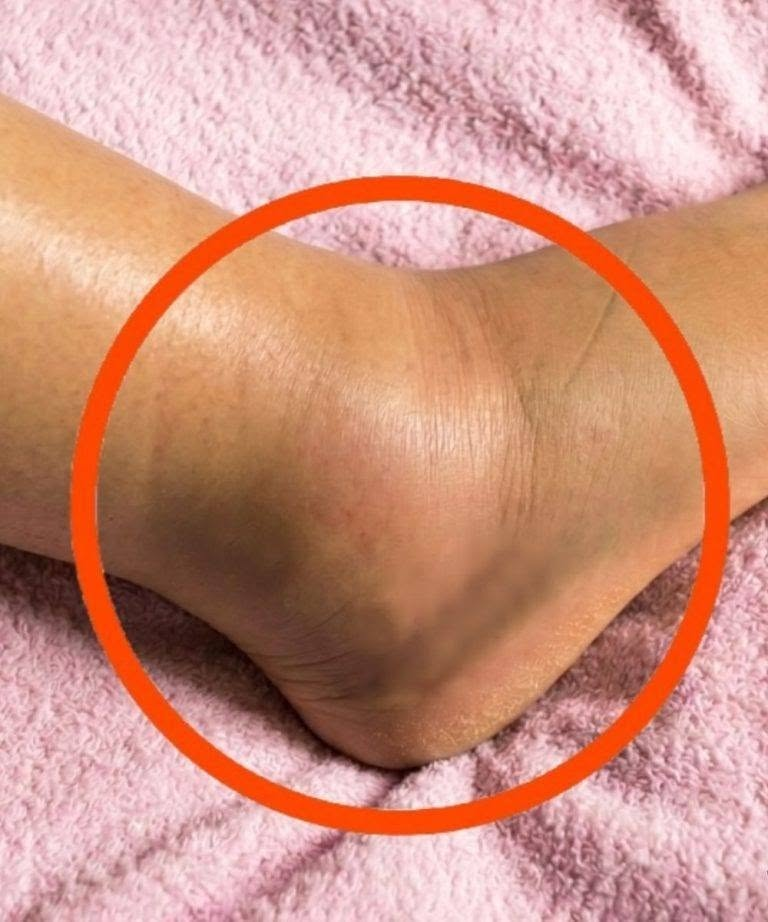
Have you ever noticed that your ankles look puffy, your shoes feel tighter than usual, or your legs seem heavier at the end of the day? Swelling in the feet, ankles, or legs is a common problem, but it should not always be ignored.
Sometimes, swelling develops after standing or sitting for a long time, eating a particularly salty meal, or taking certain medications. In other cases, it may be associated with a medical condition affecting the veins, heart, kidneys, liver, or lymphatic system.
The important thing to understand is that swollen legs are a symptom, not a diagnosis. Recognizing when swelling needs medical attention can help you protect your health and avoid overlooking a more serious problem.
What Causes Swollen Legs and Ankles?
Swelling caused by excess fluid collecting in body tissues is known as edema. It can affect one or both legs and may involve the feet, ankles, calves, or thighs.
The appearance of swelling alone cannot tell you what is causing it. A healthcare professional may need to consider your symptoms, medical history, medications, and sometimes blood tests or imaging.
1. Sitting or Standing for Too Long
Remaining in the same position for extended periods can allow fluid to accumulate in the lower legs because of gravity and reduced movement.
This may happen after a long car journey, a flight, or a day spent standing at work.
Mild swelling from prolonged sitting or standing may improve when you move around and elevate your legs. However, new or persistent swelling should not automatically be attributed to inactivity.
2. Eating Too Much Salt
Sodium helps regulate the body's fluid balance. Consuming large amounts of sodium can contribute to fluid retention, particularly in people who are sensitive to salt or have certain medical conditions.
Processed meats, packaged snacks, canned soups, fast food, and some prepared sauces can contain substantial amounts of sodium.
Reducing excessive sodium intake may help some people, but it will not treat every cause of leg swelling.
3. Problems With the Leg Veins
Veins carry blood from the legs back toward the heart. When the valves in these veins do not function effectively, blood can collect in the lower legs, increasing pressure and allowing fluid to accumulate.
This condition, known as chronic venous insufficiency, may cause ankle swelling, aching, heaviness, visible varicose veins, or skin changes around the lower legs.
A healthcare professional can determine whether venous insufficiency is responsible and recommend appropriate treatment.
4. Medication Side Effects
Some medications can cause swelling in the feet and ankles. These include certain blood pressure medicines, corticosteroids, hormone treatments, and some other prescription drugs.
If swelling begins after starting a medication or changing its dose, contact your healthcare professional to discuss the possible connection.
Do not stop a prescribed medication or change its dose on your own.
5. Heart Conditions
Certain heart conditions, including heart failure, can cause fluid to accumulate in the legs and other parts of the body.
Possible accompanying symptoms include breathlessness, unusual fatigue, difficulty breathing when lying flat, or a rapid increase in body weight from fluid retention.
Leg swelling does not automatically mean someone has heart disease. However, swelling accompanied by these symptoms needs prompt medical evaluation.
6. Kidney or Liver Problems
The kidneys help regulate the body's fluid and salt balance. When kidney function is impaired, the body may retain excess fluid.
Certain liver conditions can also contribute to swelling by affecting fluid regulation and the proteins that help keep fluid within blood vessels.
Depending on the cause, swelling may occur alongside other symptoms, such as changes in urination, abdominal swelling, or unexplained fatigue.
Persistent or unexplained swelling deserves medical assessment rather than treatment with home remedies alone.
7. A Blood Clot
A blood clot in a deep vein, known as deep vein thrombosis (DVT), can cause swelling in one leg. Other possible signs include pain, tenderness, warmth, and redness or discoloration.
However, a clot does not always cause every symptom, and swelling alone cannot confirm or rule it out.
Sudden or unexplained swelling in one leg requires urgent medical evaluation, especially when accompanied by pain, warmth, or discoloration.
If leg swelling occurs with sudden shortness of breath, chest pain, fainting, or coughing up blood, seek emergency medical help immediately because a clot may have traveled to the lungs.
When Is Leg Swelling an Emergency?
It is important to recognize warning signs instead of assuming that swollen ankles are harmless.
Seek emergency medical attention if swelling occurs with:
Sudden difficulty breathing or severe shortness of breath.
Chest pain, pressure, or tightness.
Fainting or severe dizziness.
Coughing up blood.
Seek urgent medical assessment for new swelling in only one leg without an obvious explanation, sudden or severe swelling, significant pain, or an area that becomes red and hot. Fever or rapidly worsening symptoms also require prompt evaluation.
If you have diabetes and develop new swelling in your feet or ankles, contact a healthcare professional promptly because foot complications can become serious.
What Can You Do at Home for Mild Swelling?
If the swelling is mild, affects both legs, has an identifiable cause such as prolonged sitting, and is not accompanied by warning signs, a few measures may help while you monitor your symptoms.
Elevate Your Legs
When resting, place your legs on pillows or a footrest so they are comfortably raised. This may help fluid move away from the lower legs.
Elevation can relieve some forms of swelling, but it does not replace medical assessment when the cause is uncertain.
Move Regularly
Gentle walking and ankle movements help activate the muscles that assist blood flow back toward the heart.
Avoid remaining seated or standing in one position for long periods. If you travel for extended periods, take appropriate breaks to move around when possible.
Moderate Your Salt Intake
Choose more fresh or minimally processed foods and check labels for sodium content. This may help people whose swelling is worsened by excessive salt intake.
If you have heart or kidney disease, follow the fluid and dietary recommendations provided by your healthcare team rather than making major changes independently.
Wear Comfortable Footwear
Shoes that are too tight can increase discomfort when your feet are swollen. Choose footwear that fits comfortably and does not put unnecessary pressure on the affected area.
Be Careful With Compression Socks
Compression stockings can help certain causes of swelling, especially some vein-related conditions. However, they are not appropriate for everyone.
Ask a healthcare professional whether compression is suitable for you, particularly if the swelling is new, painful, unexplained, or associated with circulation problems.
How Doctors Investigate Swollen Legs
The evaluation depends on the symptoms and the person's medical history.
A healthcare professional may ask whether one or both legs are affected, when the swelling started, whether it changes during the day, and whether there is pain, redness, breathlessness, or a recent period of immobility.
Depending on the findings, the evaluation may include:
A physical examination of the legs and circulation.
A review of prescription medications and supplements.
Blood or urine tests to investigate possible underlying conditions.
An ultrasound if a blood clot or vein problem is suspected.
Heart or other investigations when symptoms suggest a related condition.
Treatment depends on the underlying cause. There is no single medicine or home remedy that safely treats every type of swelling.
Frequently Asked Questions
Is swelling in both ankles always a sign of heart disease?
No. Swelling in both ankles can occur after prolonged sitting or standing, with certain medications, or because of vein problems. Heart, kidney, and liver conditions are also possible causes. The pattern of swelling and accompanying symptoms help guide evaluation.
Is swelling in only one leg more concerning?
It can be. A blood clot, infection, or injury may cause swelling in one leg. New unexplained swelling on one side should be assessed urgently, particularly if the area is painful, warm, or discolored.
Can drinking more water make leg swelling worse?
The answer depends on the underlying cause and your medical condition. Do not deliberately restrict fluids or force yourself to drink excessive amounts to treat swelling. People with heart or kidney conditions may have individualized fluid recommendations.
Should I take water pills for swollen ankles?
Do not take diuretics, sometimes called water pills, unless a healthcare professional recommends them. They are appropriate for certain medical conditions but can cause problems if used unnecessarily or incorrectly.
When should I make a routine appointment?
Arrange a medical appointment if swelling persists, repeatedly returns, worsens, or has no clear explanation. Seek help sooner if you have an existing heart, kidney, or liver condition or develop additional symptoms.
The Bottom Line
Swollen legs and ankles can result from everyday factors such as prolonged sitting, but they may also signal vein problems, medication side effects, or an underlying medical condition.
Pay attention to when the swelling begins, whether one or both legs are affected, and whether other symptoms appear. Elevating your legs and moving regularly may help with mild swelling, but persistent or unexplained symptoms deserve medical attention.
Never ignore sudden swelling in one leg or swelling accompanied by chest pain or breathing difficulties. Getting the right assessment is the safest way to identify the cause and choose the appropriate treatment.