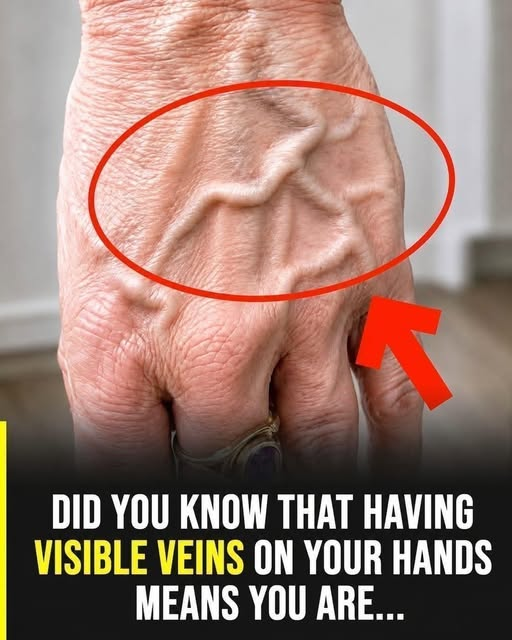
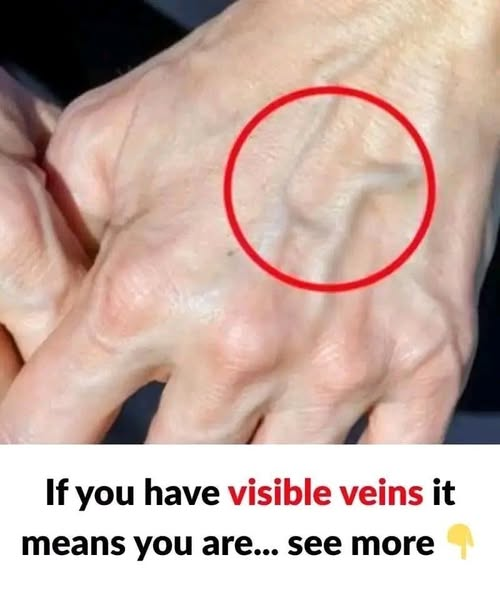
Have you ever looked at the back of your hands and noticed that your veins seem more prominent than they used to be? For many people, this is a normal physical change that becomes more noticeable with age.
Visible veins can sometimes raise concerns about circulation or overall health. However, their appearance alone usually does not reveal whether a person has an underlying medical condition.
Understanding why veins become more noticeable can help you recognize what is normal and when a change deserves medical attention.
1. Aging Can Make Veins More Visible
One of the most common reasons for prominent veins on the hands is the natural aging process.
As people grow older, their skin gradually becomes thinner and loses some of its elasticity. The layer of fat beneath the skin may also become less full, allowing veins to stand out more clearly.
This change is often harmless and does not automatically indicate poor circulation or heart disease.
2. Lower Body Fat Can Make Veins Stand Out
People with less fat beneath their skin may notice more visible veins on their hands and arms.
The veins have not necessarily become unhealthy or enlarged. There may simply be less tissue covering them, making their shape easier to see.
Changes in body composition can therefore affect how prominent the veins appear.
3. Exercise Can Temporarily Enlarge Veins
Have you ever noticed your hand or arm veins becoming more visible after lifting weights or exercising?
During physical activity, blood flow increases and superficial veins may become more prominent. This is particularly noticeable in people who exercise regularly or have developed more muscle.
Veins that become more visible during exercise and return to their usual appearance afterward are often a normal response.
4. Hot Weather Can Make Veins More Noticeable
Warm temperatures cause blood vessels near the skin to widen as the body releases heat.
As a result, veins on the hands and forearms may temporarily look larger or more prominent during hot weather or after a warm shower.
This does not necessarily mean there is a circulation problem.
5. Genetics Can Influence Vein Appearance
Some people naturally have more visible veins than others. The location and size of superficial veins vary from person to person.
Family characteristics, skin thickness, and the amount of tissue beneath the skin can all influence how noticeable veins are.
If your hand veins have always been prominent and you have no other symptoms, this may simply be part of your normal anatomy.
6. Prominent Veins Can Sometimes Be Related to Vein Conditions
Although visible veins on the hands are often harmless, certain changes can sometimes indicate an underlying vein problem.
For example, enlarged veins may be associated with vein conditions, while inflammation of a superficial vein can cause pain, tenderness, redness, or warmth.
The location matters, too. Varicose veins are more commonly associated with the legs, where prolonged standing and problems with vein valves can contribute to enlarged, twisted veins.
A healthcare professional can assess persistent or unexplained changes and determine whether further investigation is needed.
7. Sudden Changes Deserve More Attention
Veins that gradually become more noticeable over the years are different from veins that suddenly change in appearance.
Seek medical advice if you notice new prominent veins accompanied by:
Pain or tenderness.
Redness or warmth over a vein.
Unexplained swelling in one hand or arm.
A vein that feels unusually hard or painful.
Significant changes in skin color.
Sudden swelling accompanied by chest pain or difficulty breathing requires emergency medical attention.
These symptoms do not necessarily mean a blood clot is present, but they should not be ignored.
Do Visible Hand Veins Mean You Have Poor Circulation?
Not necessarily. Visible veins are not, by themselves, a reliable test of circulation.
Many healthy people have prominent veins on their hands, especially as they get older or after exercise. Other symptoms, such as persistent swelling, pain, skin changes, or wounds that heal poorly, provide more useful reasons to seek medical evaluation.
If you are concerned about circulation, a healthcare professional can review your symptoms and medical history and perform an examination.
Can You Make Hand Veins Less Noticeable?
If prominent veins are related to normal aging or reduced fullness beneath the skin, they may not disappear completely.
However, you can support your general skin health by:
Applying moisturizer regularly.
Protecting your hands from excessive sun exposure.
Maintaining a balanced diet and regular physical activity.
Avoiding smoking.
Seeking professional advice before trying cosmetic treatments.
If visible veins bother you cosmetically, a dermatologist can explain appropriate options, including their potential benefits and risks.
Do not attempt to treat or compress prominent veins yourself without knowing the cause.
Frequently Asked Questions
Are prominent veins on the hands normal?
Yes. They are common and often become more noticeable with age, exercise, warm temperatures, or lower body fat.
Do visible veins mean you are dehydrated?
Not necessarily. Vein appearance alone cannot establish whether someone is dehydrated. Consider other symptoms and your overall fluid intake rather than relying on the appearance of your hands.
Do visible veins mean your heart is unhealthy?
No. Prominent hand veins alone are not a reliable sign of heart disease. If you experience chest pain, sudden shortness of breath, or other symptoms suggesting a medical emergency, seek immediate help.
When should I see a doctor about visible veins?
Arrange an assessment if the change is sudden, unexplained, painful, or associated with swelling, redness, warmth, or skin discoloration.
Final Thoughts
Visible veins on the back of your hands can be a normal feature of aging, genetics, exercise, or changes in the tissue beneath your skin.
Their appearance alone does not diagnose poor circulation, dehydration, or heart disease. What matters most is whether the veins have changed suddenly and whether other symptoms are present.
If you notice new pain, swelling, redness, warmth, or other unexplained changes, seek medical advice. Understanding the difference between normal variation and concerning symptoms can help you make informed decisions about your health.
Medical disclaimer: This article is for educational purposes only and is not a substitute for professional medical advice, diagnosis, or treatment.