The Best Fruits for Heart Health: Can They Help Lower Cholesterol and Blood Pressure?
Could adding more fruit to your daily diet help protect your heart? The answer is yes, as part of an overall healthy eating pattern. Certain fruits provide soluble fiber, potassium, antioxidants, and other nutrients that support cardiovascular health.
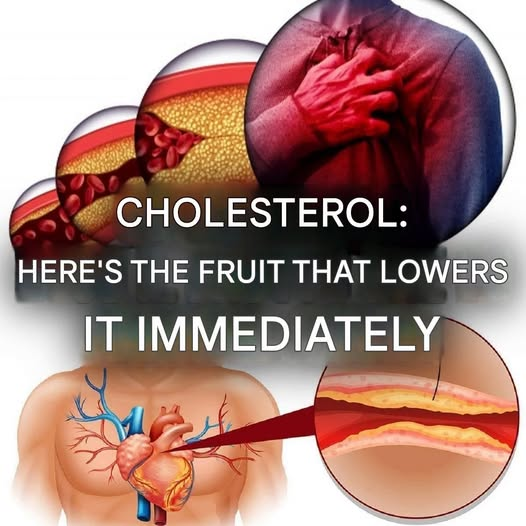
However, no single fruit can lower cholesterol immediately, remove plaque from arteries overnight, or replace prescribed blood pressure medication. The real benefits come from consistent dietary habits and other heart-healthy lifestyle choices.
In this article, discover which fruits may help support healthy cholesterol and blood pressure levels, how they work, and how to include them in your daily routine.
1. Apples: A Source of Soluble Fiber
Apples contain pectin, a type of soluble fiber that can help reduce the amount of cholesterol absorbed by the digestive tract.
Soluble fiber forms a gel-like substance during digestion. This can help the body eliminate some cholesterol through the digestive system.
Enjoy apples with their skin when appropriate, since the skin contributes additional fiber. Pairing an apple with unsalted nuts can also make a satisfying snack.
Simple idea: Add sliced apples to oatmeal or eat one as an afternoon snack.
2. Berries: Rich in Antioxidants
Strawberries, blueberries, raspberries, and blackberries provide fiber, vitamins, and plant compounds called polyphenols.
These nutrients can contribute to a healthy dietary pattern and help support overall cardiovascular health. Berries are not a direct treatment for high cholesterol, but they are a nutritious alternative to desserts high in added sugar.
Simple idea: Add a handful of fresh or frozen berries to plain yogurt or oatmeal.
3. Oranges: Fiber and Potassium
Oranges provide vitamin C, fiber, and potassium. Potassium helps counter some of the effects of sodium and supports healthy blood pressure regulation.
Whole oranges are generally a better everyday choice than juice because they retain their fiber and are more filling.
If you take certain medications, particularly some cholesterol-lowering drugs, ask your pharmacist whether grapefruit or other citrus products could interact with your treatment. Grapefruit has important interactions with several medicines.
Simple idea: Enjoy a whole orange as part of breakfast or a snack.
4. Pears: A Helpful Source of Fiber
Pears contain soluble and insoluble fiber, which supports digestion and can contribute to a cholesterol-friendly diet.
Regularly eating fiber-rich foods may help improve cholesterol levels when combined with other dietary changes, such as reducing saturated fat.
Simple idea: Slice a pear into oatmeal or enjoy it with a small handful of unsalted nuts.
5. Avocados: Heart-Friendly Unsaturated Fats
Although commonly treated as a vegetable in cooking, avocados are botanically fruits. They provide fiber and predominantly monounsaturated fats.
Replacing some saturated fats with unsaturated fats can help improve LDL cholesterol levels. Avocados can be one way to make that change, although portion size still matters because they are energy-dense.
Simple idea: Add a few avocado slices to whole-grain toast or a salad.
6. Bananas: A Convenient Source of Potassium
Bananas provide potassium, which plays a role in blood pressure regulation by helping the body manage sodium and supporting blood vessel function.
Eating bananas can contribute to a balanced diet, but one banana will not immediately bring high blood pressure down.
People with kidney disease or certain conditions affecting potassium balance may need to limit potassium intake. Ask your healthcare professional if you have been given dietary restrictions.
Simple idea: Add sliced banana to oatmeal or plain yogurt.
How Can You Lower Cholesterol More Effectively?
Fruit is only one part of a heart-healthy eating plan. To help manage LDL cholesterol, consider the following habits:
Eat more soluble fiber from oats, beans, lentils, apples, pears, and other plant foods.
Replace butter and other sources of saturated fat with unsaturated fats, such as olive oil, when appropriate.
Choose whole grains more often.
Include nuts, legumes, vegetables, and suitable sources of lean protein.
Limit highly processed foods that are high in saturated fat.
Stay physically active and maintain a healthy weight when possible.
These changes can help, but some people also need cholesterol-lowering medication based on their LDL levels and overall cardiovascular risk.
How Can You Support Healthy Blood Pressure?
A heart-healthy eating pattern, such as the DASH diet, emphasizes fruits, vegetables, whole grains, legumes, and other nutritious foods while limiting excess sodium.
You can also support blood pressure management by:
Reducing excess salt, especially from processed foods.
Being physically active regularly.
Getting adequate sleep.
Limiting alcohol.
Taking prescribed medication as directed.
Checking blood pressure regularly.
If you have kidney disease or take medication that affects potassium, speak with your healthcare professional before substantially increasing potassium intake or using potassium-based salt substitutes.
Can One Fruit Unclog Your Arteries?
No. Although fruits can support heart health, no individual fruit has been shown to rapidly remove plaque that has built up in the arteries.
Atherosclerosis develops over time and may require medical management of cholesterol, blood pressure, diabetes, and other risk factors. Do not stop prescribed medication in favor of a particular food or home remedy.
Frequently Asked Questions
Which fruit is best for lowering cholesterol?
There is no single best fruit for everyone. Apples, pears, and berries can contribute fiber to a balanced diet. The overall dietary pattern matters more than relying on one food.
Can eating fruit lower blood pressure?
Fruits that contain potassium can support blood pressure regulation as part of a healthy diet. However, fruit alone is not a substitute for medical treatment when treatment is needed.
How quickly can dietary changes improve cholesterol?
The time varies depending on the individual, the size of the dietary changes, genetics, and other factors. Cholesterol is assessed with a blood test, and a healthcare professional can advise when to recheck it.
Should I stop taking cholesterol medication if I eat more fruit?
No. Do not stop or change prescribed medication without consulting your healthcare professional.
Final Thoughts
Fruits such as apples, berries, pears, oranges, bananas, and avocados can all contribute to a heart-healthy diet. Their fiber, potassium, and other nutrients support overall health, but their benefits depend on the wider pattern of what you eat and how you live.
Instead of looking for a fruit that works immediately, aim for small, consistent changes that help manage cholesterol and blood pressure over time.
Your heart benefits most from a balanced diet, regular physical activity, appropriate medical care, and consistent healthy habits.
Medical disclaimer: This article is for educational purposes only and does not replace professional medical advice, diagnosis, or treatment.