What Is Atorvastatin and Why Is It Commonly Prescribed?
Atorvastatin is a widely prescribed medication used to lower cholesterol and help protect against heart attack and stroke. It belongs to a group of medicines called statins, which work by reducing the amount of cholesterol produced by the liver.
Although atorvastatin is commonly used and generally well tolerated, some people experience side effects. Understanding why the medication is prescribed, what symptoms to watch for, and when to contact a healthcare professional can help patients make informed decisions about their treatment.
What Is Atorvastatin?
Atorvastatin, sold under brand names such as Lipitor, is a prescription medication used to lower low-density lipoprotein (LDL) cholesterol, often called “bad” cholesterol.
Cholesterol is a fatty substance the body needs to build cells and produce certain hormones. However, having too much LDL cholesterol in the bloodstream can contribute to plaque buildup inside the arteries. Over time, this buildup may narrow the arteries and increase the risk of cardiovascular disease.
Atorvastatin helps reduce this risk by slowing an enzyme in the liver involved in cholesterol production. It also helps the liver remove more LDL cholesterol from the blood.
According to MedlinePlus, atorvastatin is used to lower cholesterol and reduce the risk of heart attack and stroke in appropriate patients.
Doctors may prescribe atorvastatin for several reasons, depending on a person's cholesterol levels, medical history, and overall cardiovascular risk.
1. To Lower LDL Cholesterol
High LDL cholesterol can contribute to the development of fatty deposits in the arteries. Atorvastatin can significantly reduce LDL levels, helping slow the buildup of plaque.
2. To Reduce the Risk of Heart Attack
Plaque buildup can restrict blood flow to the heart. In some cases, a plaque may rupture and cause a blood clot that blocks an artery, resulting in a heart attack.
For people who meet the criteria for statin treatment, lowering cholesterol can reduce the likelihood of these serious complications.
3. To Help Prevent Stroke
When blood flow to part of the brain is interrupted, a stroke can occur. Atorvastatin can reduce the risk of certain strokes in people who are likely to benefit from cholesterol-lowering treatment.
4. To Help Manage High Triglycerides
Triglycerides are another type of fat found in the blood. Atorvastatin may lower elevated triglyceride levels as well as LDL cholesterol.
5. For People With Diabetes or Other Risk Factors
People with diabetes, high blood pressure, certain inherited cholesterol conditions, or a history of cardiovascular disease may be candidates for statin therapy.
Not everyone with high cholesterol needs the same treatment. A healthcare professional considers several factors before recommending a medication and selecting an appropriate dose.
What Are the Possible Side Effects of Atorvastatin?
Many people take atorvastatin without experiencing significant problems. However, like all medications, it can cause side effects.
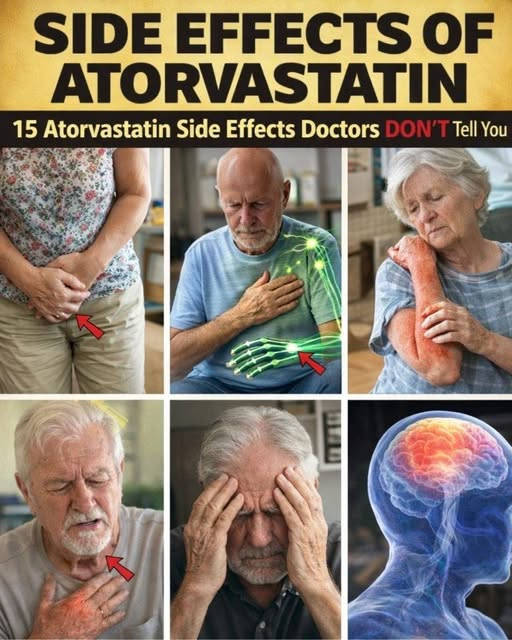
Possible side effects include:
Muscle or joint discomfort: Some people report muscle aches, tenderness, or joint pain.
Digestive symptoms: Diarrhea, gas, indigestion, or stomach discomfort may occur.
Headache: Some patients experience headaches while taking the medication.
Nausea: Digestive discomfort can occur in some individuals.
Memory complaints or confusion: These symptoms have been reported, although their relationship to statins is not always clear.
Experiencing one of these symptoms does not automatically mean atorvastatin is responsible. Other health conditions, medications, and everyday factors can produce similar symptoms.
If a new symptom begins after starting atorvastatin or increasing the dose, discuss it with your healthcare professional.
Serious Side Effects That Require Medical Attention
Serious complications are uncommon, but it is important to recognize warning signs.
Severe Muscle Pain or Weakness
Rarely, statins can cause significant muscle injury. Severe or unexplained muscle pain, tenderness, or weakness—particularly when accompanied by fever, extreme fatigue, or dark-colored urine—requires urgent medical assessment.
A healthcare professional may order blood tests to check for muscle damage and determine whether the medication needs to be changed.
Possible Liver Problems
Contact a healthcare professional promptly if you develop yellowing of the skin or eyes, unusually dark urine, persistent nausea, loss of appetite, or pain in the upper-right part of the abdomen.
Liver enzyme changes can occur during treatment, although serious liver injury is rare.
Severe Allergic Reactions
Seek emergency medical help if you experience difficulty breathing or swallowing, or sudden swelling of the face, lips, tongue, or throat.
Do not ignore severe symptoms or assume they are simply a normal part of taking medication.
Does Atorvastatin Increase the Risk of Diabetes?
Statins may slightly increase blood sugar levels and the risk of developing type 2 diabetes in some people. The risk is particularly relevant for individuals who already have risk factors such as prediabetes or metabolic syndrome.
However, for people who need statin treatment, the reduction in cardiovascular risk often outweighs this potential disadvantage. The decision depends on the individual's medical history and overall risk.
Do not stop a prescribed statin solely because you are concerned about diabetes. Ask your healthcare professional whether blood sugar monitoring or other adjustments are appropriate.
Can Atorvastatin Affect Memory?
Some people report forgetfulness or confusion while taking statins. These reports should be taken seriously, but they do not establish that atorvastatin causes persistent memory loss in every person who experiences these symptoms.
If you notice new or worsening cognitive symptoms, speak with your healthcare professional. They can evaluate other possible causes and determine whether a medication adjustment is appropriate.
Who Should Discuss Atorvastatin Precautions With a Doctor?
Before starting atorvastatin, tell your doctor or pharmacist if you:
Have a history of liver disease.
Have unexplained muscle pain or weakness.
Take prescription medications, over-the-counter medicines, or supplements.
Consume substantial amounts of alcohol.
Are pregnant, planning pregnancy, or breastfeeding.
Atorvastatin can interact with certain medications and foods, including grapefruit or grapefruit juice. Ask your pharmacist or doctor whether any specific restrictions apply to your treatment.
Should You Stop Taking Atorvastatin If You Notice Side Effects?
Do not stop or change your prescribed dose without consulting your healthcare professional, unless you are experiencing an emergency that requires immediate medical attention.
Stopping treatment without a plan may leave cholesterol levels inadequately controlled and increase cardiovascular risk in people who depend on the medication for protection.
If side effects occur, your healthcare professional may review your dose, check for interactions, investigate other causes, or consider a different cholesterol-lowering treatment.
The goal is to find a treatment plan that balances effectiveness, safety, and your individual needs.
How Can You Support Healthy Cholesterol Levels?
Medication may be only one part of a cholesterol-management plan. Helpful lifestyle habits include:
Eating more vegetables, fruits, beans, whole grains, nuts, and other fiber-rich foods.
Choosing unsaturated fats more often than foods high in saturated or trans fats.
Engaging in regular physical activity suited to your health and abilities.
Avoiding smoking and seeking support to quit if needed.
Maintaining a healthy weight when appropriate.
Attending follow-up appointments and completing recommended blood tests.
These measures can complement prescribed medication, but they may not replace it for people at high risk of heart attack or stroke.
Frequently Asked Questions
Is atorvastatin safe for long-term use?
Atorvastatin is commonly used for long-term cholesterol management. Its benefits and risks should be reviewed periodically with a healthcare professional.
Does everyone taking atorvastatin experience muscle pain?
No. Many people do not experience muscle symptoms. If pain or weakness develops, report it so that the cause can be evaluated.
Should atorvastatin be taken every day?
It is generally prescribed once daily. Follow the exact instructions on your prescription and ask your pharmacist what to do if you miss a dose.
Can atorvastatin be taken with other medicines?
Sometimes, but certain medicines can interact with atorvastatin. Give your doctor or pharmacist a complete list of your medications and supplements before starting new treatment.
Can diet alone replace atorvastatin?
That depends on your cholesterol levels and cardiovascular risk. Lifestyle changes are valuable, but some people need medication even when they follow a healthy diet.
Final Thoughts
Atorvastatin is an important medication that helps lower LDL cholesterol and reduce the risk of heart attack and stroke in people who benefit from treatment. Most patients tolerate it well, although digestive symptoms, muscle discomfort, and other side effects can occur.
The key is to understand both the benefits and the potential risks. Report new symptoms, attend recommended follow-up appointments, and discuss any concerns with your healthcare professional rather than making medication changes on your own.
Medical disclaimer: This article is for educational purposes only and is not a substitute for individualized medical advice, diagnosis, or treatment.