High Cholesterol: 5 Warning Signs You Should Never Ignore
High cholesterol is often called a “silent” health problem because many people have no noticeable symptoms until complications develop. Although certain physical changes may signal an underlying health issue, you cannot reliably tell whether your cholesterol is too high just by looking at your body.
Understanding the possible warning signs, knowing your risk factors, and getting your cholesterol checked can help you protect your long-term health.
What Is High Cholesterol?
Cholesterol is a waxy substance your body needs to build healthy cells and produce certain hormones. However, having too much low-density lipoprotein (LDL), commonly known as “bad” cholesterol, can contribute to plaque buildup inside your arteries.
Over time, this buildup may narrow the arteries and increase the risk of heart disease, heart attack, and stroke.
The good news is that high cholesterol can often be managed through lifestyle changes and, when necessary, medication prescribed by a healthcare professional.
5 Possible Warning Signs to Know About
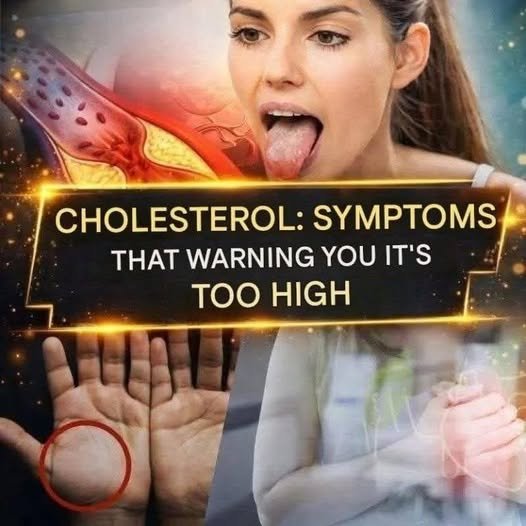
1. Yellowish Bumps Around the Eyes
Small yellowish deposits around the eyelids may be a condition called xanthelasma. These deposits contain cholesterol and other lipids.
Although xanthelasma can occur in people with elevated cholesterol, it can also appear in people whose cholesterol levels are normal. A healthcare professional can evaluate the spots and recommend appropriate testing.
2. A Pale or White Ring Around the Cornea
A grayish-white ring around the colored part of the eye is known as corneal arcus.
It becomes more common with age and does not necessarily indicate high cholesterol. However, when it appears in a younger adult, a medical evaluation may be appropriate, particularly if there is a family history of high cholesterol or early heart disease.
3. Unusual Lumps or Deposits Under the Skin
Firm, yellowish lumps under the skin, especially around the elbows, knees, hands, or tendons, may be xanthomas.
These deposits can sometimes be associated with very high cholesterol or other lipid disorders. They should be evaluated by a healthcare professional rather than diagnosed from appearance alone.
4. Leg Pain During Walking
Pain or cramping in the legs while walking that improves with rest can be a sign of peripheral artery disease (PAD). This condition occurs when narrowed arteries reduce blood flow to the limbs.
High cholesterol is one of several risk factors for PAD, but leg pain can have many other causes. Persistent or recurring symptoms deserve medical attention.
5. Chest Discomfort or Shortness of Breath
High cholesterol itself usually does not cause chest pain or breathing difficulties. However, it can contribute to coronary artery disease, which may cause symptoms such as chest pressure, shortness of breath, or discomfort spreading to the arms, back, neck, or jaw.
Seek emergency medical care immediately if you experience new or severe chest discomfort, difficulty breathing, fainting, or other possible heart attack symptoms.
Do not wait for symptoms to pass.
The Most Reliable Way to Know Your Cholesterol Level
A blood test called a lipid panel measures several types of fats in your blood, including:
LDL cholesterol: High levels can contribute to plaque buildup in arteries.
HDL cholesterol: Helps transport cholesterol away from the arteries.
Triglycerides: Another type of blood fat that can increase cardiovascular risk when elevated.
Total cholesterol: The overall amount of cholesterol in your blood.
Your healthcare professional can interpret these results based on your age, medical history, blood pressure, and other cardiovascular risk factors.
Because high cholesterol often causes no symptoms, regular testing is important even when you feel healthy.
What Can Help Lower High Cholesterol Naturally?
Healthy daily habits can make a meaningful difference in cholesterol management.
Eat more fiber-rich foods. Oats, beans, lentils, fruits, vegetables, and whole grains can help lower LDL cholesterol.
Choose healthier fats. Replace some saturated fats found in fatty meats, butter, and certain processed foods with unsaturated fats from olive oil, nuts, seeds, and fish.
Stay physically active. Regular exercise supports cardiovascular health and may improve your overall cholesterol profile.
Avoid smoking. Smoking damages blood vessels and increases cardiovascular risk.
Maintain a healthy weight. If you are overweight, gradual, sustainable weight loss may improve cholesterol and triglyceride levels.
Take prescribed medication as directed. Some people need cholesterol-lowering medication, such as statins, in addition to lifestyle changes. Never stop prescribed medication without consulting your healthcare professional.
Frequently Asked Questions
Can you feel high cholesterol in your body?
Usually, no. Most people with high cholesterol do not experience noticeable symptoms. A blood test is the reliable way to identify elevated cholesterol levels.
Can high cholesterol cause headaches or dizziness?
High cholesterol does not usually cause headaches or dizziness directly. These symptoms have many possible causes and should be evaluated when persistent, severe, or accompanied by other concerning symptoms.
Can drinking lemon water lower cholesterol?
Lemon water can be part of a healthy diet, but there is not strong evidence that lemon water alone meaningfully lowers high cholesterol. Overall dietary patterns and appropriate medical treatment are more important.
How often should you have your cholesterol checked?
The appropriate frequency depends on your age, previous results, family history, and other risk factors. Ask your healthcare professional when you should have your next lipid panel.
Final Thoughts
High cholesterol can develop without obvious warning signs, making regular blood testing one of the most important steps in protecting your heart.
Changes around the eyes, unusual skin deposits, or leg discomfort may deserve medical evaluation, but none of these findings can confirm high cholesterol on its own.
Focus on healthy habits, understand your personal risk factors, and work with your healthcare professional to keep your cholesterol levels under control.
Your heart health matters at every age. Don't wait for symptoms before taking care of it.