Metoprolol is a prescription medication commonly used to treat high blood pressure, certain heart rhythm problems, angina, and some other heart conditions. It belongs to a group of medicines called beta blockers, which help slow the heart rate and reduce the heart's workload.
Although metoprolol is helpful for many people, it can cause side effects. Some are mild and may improve as the body adjusts to treatment, while others require medical attention.
Understanding the possible side effects can help you recognize changes, talk with your healthcare professional, and take your medication safely.
1. Tiredness and Fatigue
Feeling unusually tired is one of the commonly reported side effects of metoprolol. Because the medication slows the heart rate, some people notice less energy, especially when starting treatment or after a dose change.
What may help: Give your body time to adjust, maintain a regular sleep schedule, and discuss persistent fatigue with your healthcare professional. Do not change your dose on your own.
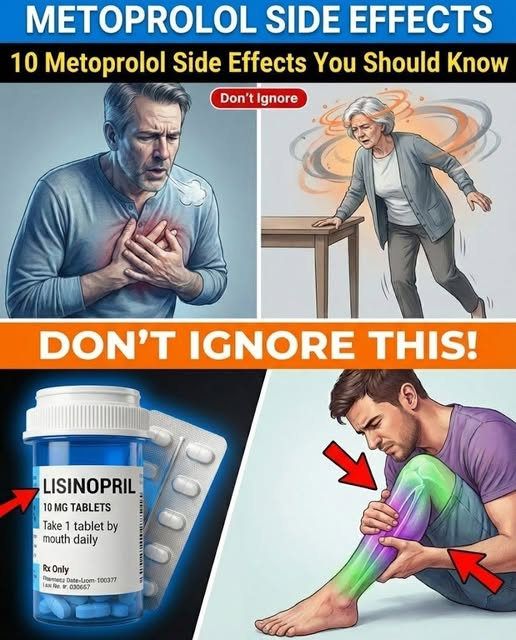
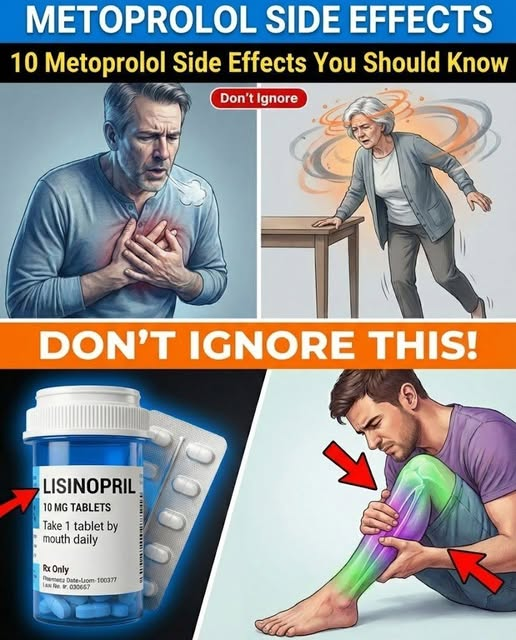
2. Dizziness or Lightheadedness
Metoprolol can lower blood pressure and slow the heart rate. As a result, some people feel dizzy, particularly when standing up quickly or during the early stages of treatment.
What may help: Rise slowly from sitting or lying down. If you feel dizzy, sit or lie down until it passes, and avoid driving while affected. Contact your healthcare professional if dizziness is persistent or severe.
3. A Slower Heart Rate
Slowing the heart rate is part of how metoprolol works. However, in some people, the heart rate may become too slow, potentially causing weakness, dizziness, unusual fatigue, or fainting.
A persistently slow pulse accompanied by symptoms should be assessed by a healthcare professional. Fainting, severe weakness, or difficulty breathing requires urgent medical evaluation.
4. Low Blood Pressure
Metoprolol can lower blood pressure, which is often beneficial for people being treated for hypertension. However, if blood pressure drops too much, symptoms may include lightheadedness, weakness, blurred vision, or feeling faint.
If these symptoms continue, ask your healthcare professional to review your blood pressure and treatment. Do not stop taking the medication without medical guidance.
5. Cold Hands and Feet
Some people taking beta blockers notice that their hands or feet feel colder than usual. This may be related to changes in circulation.
Keep your hands and feet comfortably warm and mention persistent symptoms to your healthcare professional. Sudden severe pain, marked color changes, or a cold, pale or blue limb requires prompt medical assessment.
6. Digestive Problems
Metoprolol can cause digestive symptoms in some people, including nausea, diarrhea, constipation, or abdominal discomfort.
If symptoms are mild, keeping a regular eating routine and drinking enough fluids may help. Persistent diarrhea, vomiting, or difficulty maintaining normal fluid intake should be discussed with a healthcare professional, especially if you also feel weak or dizzy.
7. Sleep Disturbances and Unusual Dreams
Some people report insomnia, vivid dreams, or nightmares while taking metoprolol. These effects do not happen to everyone, and sleep problems can have other causes.
If your sleep changes after starting the medication, keep track of when the symptoms occur and discuss them with your healthcare professional. Do not change the timing or amount of your medication without checking first.
8. Mood Changes
Depression and other mood-related symptoms have been reported by some people taking metoprolol. However, mood changes can have many causes, and the medication is not necessarily responsible in every case.
Tell your healthcare professional if you notice persistent low mood, loss of interest in usual activities, or changes in your emotional well-being. Seek immediate help if you experience thoughts of harming yourself.
9. Shortness of Breath or Wheezing
Some people may experience breathing difficulties while taking metoprolol. The medicine requires particular care in people with asthma or certain other breathing conditions.
New or worsening shortness of breath, wheezing, or reduced exercise tolerance should be assessed promptly. Severe breathing difficulty is a medical emergency. Do not assume that breathing problems are simply a normal side effect.
10. Sexual Side Effects
Some people taking beta blockers report reduced sexual desire or difficulty getting or maintaining an erection. These problems can also be associated with cardiovascular conditions, diabetes, stress, and other medications.
If you notice a change, speak with your healthcare professional. There may be ways to address the problem or review your treatment without compromising the condition being treated.
When Should You Seek Medical Attention?
Not every side effect requires emergency treatment, but certain symptoms should never be ignored.
Seek emergency medical help for symptoms such as:
Severe chest pain or pressure.
Severe difficulty breathing.
Fainting or collapse.
Signs of a serious allergic reaction, such as swelling of the face, lips, tongue, or throat.
Contact your healthcare professional promptly if you experience a persistently unusually slow heartbeat with symptoms, new swelling in your legs or ankles, unexplained weight gain, or worsening breathlessness. These symptoms can have several causes and may need evaluation.
Important Precautions When Taking Metoprolol
Do Not Stop It Suddenly
Stopping metoprolol abruptly can worsen certain heart conditions and may increase the risk of serious heart problems. If you want to stop treatment because of side effects, ask your prescriber how to do so safely.
Be Careful When Combining Medicines
Tell your doctor or pharmacist about all prescription medicines, over-the-counter products, vitamins, and supplements you use. Certain medications can interact with metoprolol or increase the risk of low blood pressure or a slow heart rate.
Monitor Your Symptoms
Follow your healthcare professional's instructions about checking your blood pressure and pulse. If you have diabetes, be aware that metoprolol can mask some warning signs of low blood sugar, such as a rapid heartbeat.
Take It as Prescribed
Follow the instructions for your particular formulation of metoprolol. If you miss a dose, follow the directions on your medication leaflet or ask your pharmacist. Do not take a double dose unless specifically instructed by a healthcare professional.
Frequently Asked Questions
Are metoprolol side effects always serious?
No. Many side effects, including tiredness and mild dizziness, are not emergencies. However, symptoms that are severe, persistent, or worsening should be discussed with a healthcare professional.
Can metoprolol cause muscle pain or cramps?
Muscle cramps have been reported, but they can have many possible causes. Persistent or severe muscle symptoms should be evaluated rather than automatically attributed to the medication.
Does everyone experience side effects?
No. Some people take metoprolol without noticeable side effects. The likelihood and severity of side effects depend on factors such as the dose, the person's health, and other medications they take.
Should I stop taking metoprolol if I feel dizzy?
Do not stop it abruptly or change the dose on your own. Sit or lie down if you feel dizzy, avoid driving while affected, and contact your healthcare professional for advice. Seek urgent care if dizziness occurs with fainting, chest pain, or severe breathing difficulty.
Final Thoughts
Metoprolol can play an important role in treating high blood pressure and certain heart conditions. Knowing its possible side effects can help you recognize symptoms early and have more informed conversations with your healthcare professional.
The most important rule is simple: never stop metoprolol suddenly without medical guidance, and seek prompt help for serious or worsening symptoms.
Medical disclaimer: This article is for general educational purposes only and is not a substitute for professional medical advice, diagnosis, or treatment. Always follow the instructions provided by your prescriber and the patient leaflet supplied with your medication.