8 Habits You Should Stop This Year If You Are Taking Amlodipine — And Why
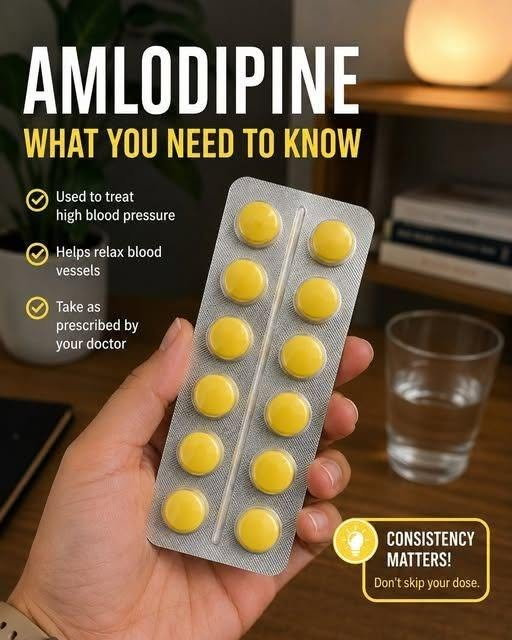
Amlodipine is a widely prescribed medication used to treat high blood pressure and prevent certain types of chest pain known as angina. It works by relaxing blood vessels, allowing blood to flow more easily and helping the heart work more efficiently.
Although amlodipine is generally well tolerated, certain habits can make treatment less effective or increase the risk of side effects. Understanding how to take your medication safely can help you manage your blood pressure and protect your long-term health.
Here are eight habits worth reconsidering if you take amlodipine.
1. Skipping Doses or Taking Your Medication Inconsistently
Amlodipine works best when taken regularly as prescribed. Frequently missing doses can make it harder to keep your blood pressure under control.
High blood pressure often causes no noticeable symptoms, so feeling fine does not necessarily mean your blood pressure is normal without treatment.
What to do instead: Take amlodipine at approximately the same time every day. Use a phone reminder or pill organizer if you sometimes forget.
If you miss a dose, follow the instructions in your medication leaflet or ask a pharmacist what to do. Never take a double dose to make up for a missed one.
2. Stopping the Medication Because You Feel Better
Amlodipine controls high blood pressure but does not cure the underlying condition. Stopping it without medical advice can allow your blood pressure to rise again.
Some people stop taking their medication because they feel healthy or worry about possible side effects.
What to do instead: Talk to your healthcare professional if you want to stop treatment or are experiencing unwanted effects. Your clinician can determine whether a change is appropriate.
Never stop a prescribed blood pressure medicine on your own.
3. Ignoring Swelling in Your Feet and Ankles
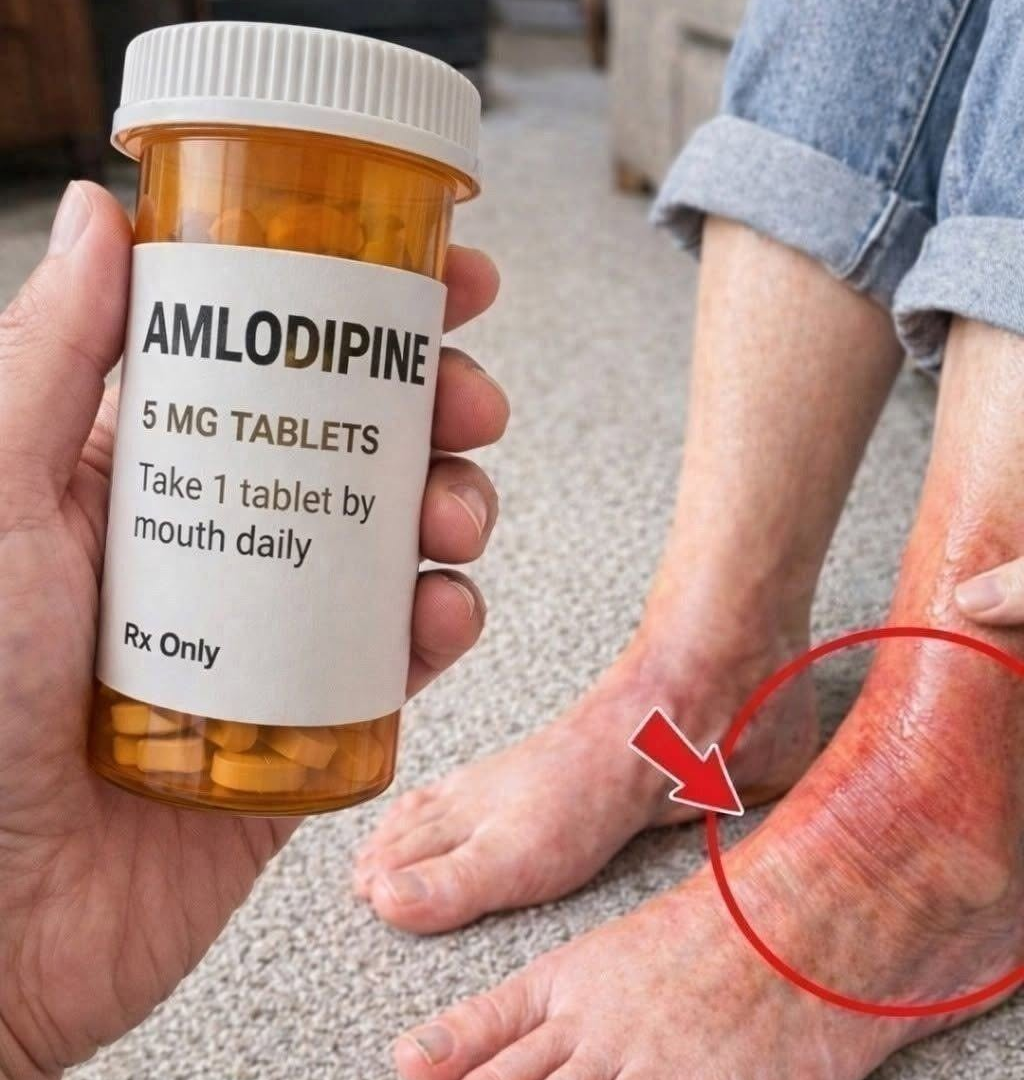
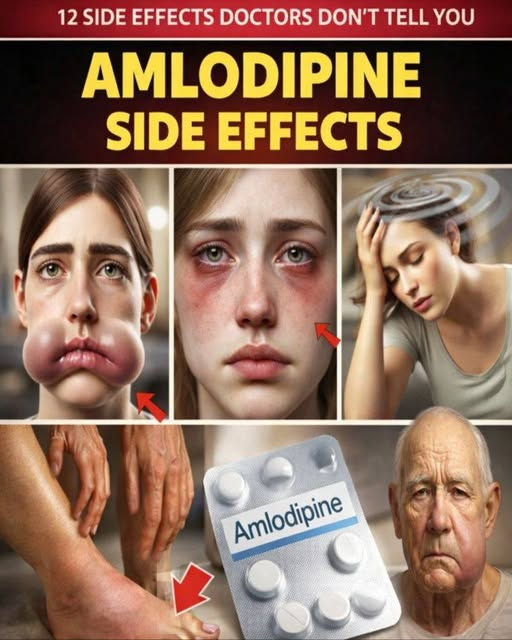
Swelling in the feet and ankles is a recognized side effect of amlodipine. It occurs because the medication changes pressure within small blood vessels, allowing fluid to collect in surrounding tissues.
This swelling does not automatically mean that your kidneys are damaged or that you have heart failure. However, persistent or worsening swelling should be assessed.
What to do instead: Tell your healthcare professional if you develop troublesome swelling. They can evaluate the cause and decide whether your treatment needs adjustment.
Seek urgent medical attention if swelling occurs with severe breathlessness or chest pain.
4. Drinking Alcohol Without Considering the Effects
Alcohol may increase the blood-pressure-lowering effect of amlodipine in some people. This can contribute to dizziness, lightheadedness, or fainting, particularly when starting treatment or changing the dose.
The effect depends on how much alcohol you consume, your health, and whether you take other medications.
What to do instead: Be cautious with alcohol, especially if you already experience dizziness or low blood pressure. Ask your healthcare professional whether drinking alcohol is suitable for you.
5. Taking New Medicines or Supplements Without Checking for Interactions
Amlodipine can interact with certain medicines, including some antibiotics, antifungal drugs, and other medications that affect how the body processes it.
It can also interact with some cholesterol-lowering medicines. For example, people taking amlodipine may need a dose limit for simvastatin because the combination can increase the risk of muscle-related side effects.
Herbal remedies, vitamins, and over-the-counter medicines should also be included in a medication review.
What to do instead: Tell your doctor or pharmacist about everything you take, including prescription medicines, supplements, and nonprescription products. Ask before starting something new.
6. Ignoring Advice About Grapefruit
Grapefruit can affect enzymes involved in processing certain medications. Advice about grapefruit and amlodipine may vary between product leaflets and healthcare guidance.
Because recommendations can differ, check the patient information supplied with your medicine and ask your pharmacist whether grapefruit or grapefruit juice is suitable for you.
What to do instead: Check for possible food and medication interactions rather than assuming every fruit or juice is safe with every medicine.
Do not change your amlodipine dose to compensate for a possible interaction.
7. Eating Too Much Salt and Neglecting Lifestyle Changes
Amlodipine helps lower blood pressure, but your daily habits still matter. Regularly consuming excessive sodium can make blood pressure more difficult to manage in some people.
Processed meats, salty snacks, packaged meals, and certain sauces can contain substantial amounts of sodium.
What to do instead: Follow your clinician's advice about salt intake. Choose more vegetables, fruits, whole grains, and suitable protein sources, and aim for regular physical activity appropriate to your abilities.
If you have kidney disease or take medicines that affect potassium, ask a healthcare professional before using potassium-based salt substitutes.
8. Ignoring Persistent Dizziness or Lightheadedness
Some people experience dizziness, headache, flushing, or lightheadedness while taking amlodipine. These effects may be more noticeable when treatment begins or the dose changes.
Ignoring persistent symptoms can increase the risk of falls and accidents.
What to do instead: Sit down if you feel faint, rise slowly from sitting or lying positions, and avoid driving or operating machinery while dizzy. Tell your healthcare professional if symptoms persist or interfere with daily activities.
Fainting, severe weakness, or a rapid or irregular heartbeat needs prompt medical assessment, especially if accompanied by chest pain or difficulty breathing.
How to Take Amlodipine Safely
A few simple habits can make medication management easier:
Take the dose prescribed by your healthcare professional.
Check your blood pressure as recommended.
Attend follow-up appointments.
Keep an up-to-date list of all medicines and supplements.
Report persistent or troublesome side effects.
Ask your pharmacist about missed doses and possible interactions.
Amlodipine is an important treatment for many people. These precautions are intended to support safe treatment, not to discourage you from taking a prescribed medication.
Frequently Asked Questions
Can I take amlodipine at night instead of in the morning?
Amlodipine is generally taken once daily. Follow the schedule provided by your prescriber and try to take it consistently. Ask your healthcare professional before changing your routine if you are unsure.
Does ankle swelling mean amlodipine is damaging my kidneys?
Not necessarily. Ankle swelling is a known side effect of amlodipine and does not, by itself, prove kidney damage. Persistent or worsening swelling should still be assessed.
Can I stop amlodipine if my blood pressure is normal?
Do not stop it without medical advice. Your blood pressure may be normal because the medication is working.
What are the common side effects of amlodipine?
Common side effects include ankle or foot swelling, headache, dizziness, flushing, nausea, and tiredness. Contact your healthcare professional if side effects persist or become troublesome.
What should I do if I accidentally take an extra dose?
Taking more amlodipine than prescribed can cause dangerously low blood pressure. Seek urgent medical advice if you take an extra dose, and contact emergency services if you collapse, faint, or develop severe symptoms.
Final Thoughts
Amlodipine can help control high blood pressure and prevent certain types of chest pain, but safe treatment involves more than taking a tablet every day.
Taking doses consistently, checking for medication interactions, monitoring blood pressure, and reporting side effects can help you get the most benefit from treatment.
Medical disclaimer: This article is for educational purposes only and is not a substitute for professional medical advice, diagnosis, or treatment. Never start, stop, or change a prescribed medication without consulting your healthcare professional.