Birth Control Pills and Blood Clots: What Women Need to Know
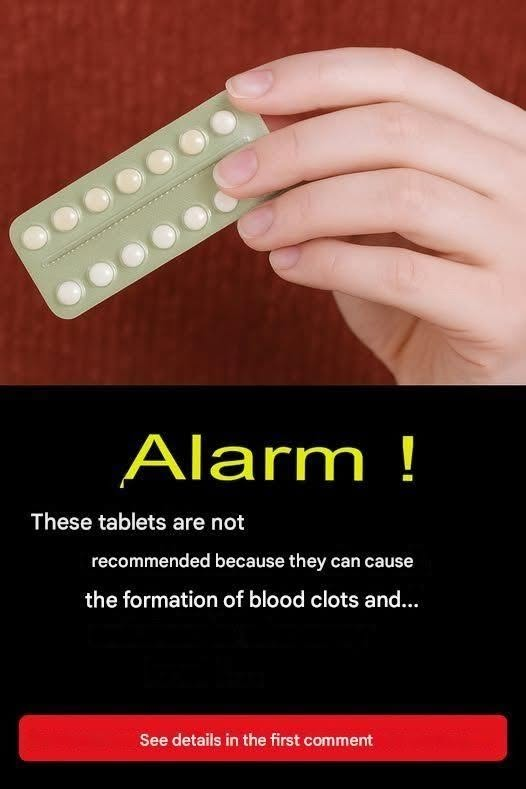
Birth control pills are widely used to prevent pregnancy and may also help manage heavy periods, menstrual cramps, acne, and certain hormonal conditions. However, some types of hormonal contraception can increase the risk of blood clots.
This risk is important to understand, but it does not mean that all birth control pills are dangerous or unsuitable for everyone. The level of risk depends on the type of contraception, personal medical history, and other factors.
Can Birth Control Pills Cause Blood Clots?
Yes. Combined hormonal contraceptives, including certain birth control pills, contain estrogen and a progestin. Estrogen-containing contraceptives can increase the risk of developing a blood clot in a vein.
A clot may develop in a deep vein, often in the leg, a condition called deep vein thrombosis (DVT). If part of the clot travels to the lungs, it can cause a potentially life-threatening pulmonary embolism.
Blood clots are an uncommon complication, but recognizing the symptoms and understanding individual risk factors are important.
Which Birth Control Pills Carry This Risk?
Not all hormonal contraceptives have the same risk profile.
Combined birth control pills contain estrogen and a progestin. They are associated with an increased risk of blood clots.
Progestin-only pills, sometimes called mini-pills, do not contain estrogen and are suitable for many people who cannot use estrogen-containing contraception. Their risks differ from those of combined pills, and a healthcare professional can help determine which option is appropriate.
Other contraceptive methods, including hormonal implants, injections, and intrauterine devices, also have different benefits and risks. The best choice depends on your circumstances and medical history.
Who May Have a Higher Risk of Blood Clots?
Certain factors can make estrogen-containing contraception less suitable, including:
A previous blood clot or certain inherited clotting disorders
A family history of blood clots, particularly at a young age
Smoking, especially in people aged 35 or older
Obesity
Certain heart or blood vessel conditions
High blood pressure
Migraine with aura
Recent childbirth, major surgery, or prolonged immobility
Having one of these risk factors does not automatically mean that every form of contraception is unsuitable. A clinician should assess your individual circumstances before recommending a method.
Warning Signs of a Blood Clot
Seek urgent medical assessment if you develop symptoms that could indicate a clot.
Possible Deep Vein Thrombosis
Symptoms may include:
Swelling in one leg or arm
Pain or tenderness that is not explained by an injury
Warmth in the affected area
Redness or discoloration of the skin
These symptoms can have other causes, but new, unexplained swelling or pain—especially in one leg—should not be ignored.
Possible Pulmonary Embolism
A clot that travels to the lungs may cause:
Sudden shortness of breath
Chest pain, especially when breathing deeply
Coughing up blood
A rapid heartbeat, dizziness, or fainting
Call emergency services immediately if you experience sudden breathing difficulty, chest pain, coughing up blood, or fainting.
How Can You Reduce Your Risk?
You cannot eliminate every risk factor, but several steps can help you make safer contraceptive choices.
Review your medical history. Tell your doctor about previous clots, family history, migraines, smoking, and other health conditions.
Choose contraception with professional guidance. Ask whether an estrogen-free or non-hormonal option may be more appropriate for you.
Avoid smoking. Smoking increases cardiovascular risks, particularly when combined with estrogen-containing contraception.
Discuss surgery and prolonged immobility. Ask your healthcare professional whether you need any special precautions before major surgery or an extended period of limited movement.
Recognize symptoms early. Do not wait for suspected clot symptoms to disappear before seeking medical care.
Should You Stop Taking Your Birth Control Pills?
Do not stop or change a prescribed contraceptive solely because of a general warning on social media. Contact your healthcare professional to discuss your personal risk and whether another method would be more suitable.
If you have symptoms that suggest a blood clot, seek urgent medical attention rather than waiting for a routine appointment. A clinician can determine the appropriate next steps.
Frequently Asked Questions
Do all birth control pills cause blood clots?
No. The risk varies by contraceptive type. Combined hormonal contraceptives increase clot risk, while progestin-only methods have a different risk profile.
Are blood clots common among people taking the combined pill?
No. The risk remains low, although it is higher than in people who do not use combined hormonal contraception. Your personal risk may be higher if you have additional risk factors.
Is the mini-pill safer for someone concerned about clots?
A progestin-only pill avoids estrogen and may be appropriate for many people who should not use combined contraception. However, the best option depends on your medical history and individual circumstances.
Can a blood clot happen after taking birth control pills for a long time?
Yes. A clot can occur even after someone has used contraception for some time without problems. Risk is particularly important during the first year of combined pill use and when restarting after a break of several weeks.
What should I do if I develop one-sided leg swelling?
Seek urgent medical assessment, particularly if the swelling is new or accompanied by pain or warmth. If you also develop chest pain or sudden shortness of breath, call emergency services immediately.
Final Thoughts
Birth control pills can be an effective and beneficial form of contraception, but estrogen-containing options carry a small risk of blood clots. Understanding the difference between contraceptive types, reviewing personal risk factors, and recognizing warning signs can help you make informed decisions.
Rather than avoiding all hormonal contraception based on a frightening headline, discuss the available options with a qualified healthcare professional.
Medical disclaimer: This article is for educational purposes only and is not a substitute for personalized medical advice or emergency care.