Can Two Drops Restore Your Hearing? What You Should Know About Tinnitus and Hearing Loss
Have you ever experienced ringing, buzzing, humming, or a feeling that your ears are blocked? These symptoms can be frustrating, especially when they interfere with sleep, conversations, or everyday activities.
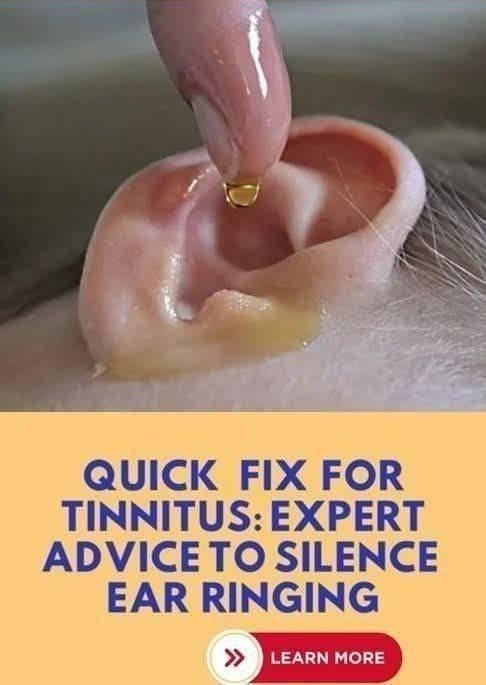
Online advertisements sometimes claim that putting two drops of a special liquid into the ear can restore hearing and silence tinnitus. Although certain ear drops can help with specific ear problems, there is no proven universal ear-drop remedy that restores hearing or cures tinnitus in everyone.
The right approach depends on what is causing the symptoms. Here is how to recognize possible causes, understand treatment options, and protect your hearing.
What Is Tinnitus?
Tinnitus is the perception of sound when there is no corresponding external sound source. People describe it in different ways, including:
Ringing or high-pitched tones.
Buzzing or humming.
Hissing or whooshing.
Pulsing or rhythmic sounds.
Sounds that become more noticeable in quiet environments.
Tinnitus can affect one or both ears and may be temporary or persistent. It is a symptom rather than a disease in itself, and it can occur with or without noticeable hearing loss.
Although tinnitus is not usually a sign of a serious condition, persistent symptoms deserve assessment, particularly when they affect sleep, concentration, or quality of life. <Cite refs={["turn719218search3","turn719218search6"]}/>
1. Can Ear Drops Restore Hearing?
Sometimes, treatment involving the ear canal can improve hearing when the problem is caused by a treatable condition, such as a buildup of earwax.
However, ear drops do not treat every type of hearing loss.
When Earwax Is the Cause
A buildup of earwax can block the ear canal and cause muffled hearing, discomfort, or ringing. Depending on the situation, a clinician or pharmacist may recommend an appropriate wax-softening product.
If wax is completely blocking the ear or symptoms persist, professional assessment and removal may be needed.
When an Ear Infection Is the Cause
Some ear conditions require specific treatment, such as prescribed ear drops or other medication. The correct treatment depends on the type and location of the infection.
Do not use random drops or household liquids to treat unexplained ear symptoms.
When the Problem Is in the Inner Ear
Hearing loss related to damage to the inner ear or auditory system generally cannot be corrected simply by putting liquid into the ear canal.
Depending on the type of hearing loss, treatment may involve medical evaluation, hearing aids, or other specialist care.
2. What Causes Ringing and Hearing Changes?
Several conditions can produce tinnitus or reduced hearing.
Age-related hearing changes: Hearing may gradually decline as people get older, sometimes accompanied by ringing.
Loud-noise exposure: Repeated exposure to loud music, machinery, or other intense sounds can damage the hearing system.
Earwax buildup: Blockage may produce a sensation of fullness and muffled hearing.
Ear infections: Infections can cause pain, discharge, pressure, and changes in hearing.
Medication effects: Certain medicines can contribute to tinnitus or hearing problems. Never stop a prescribed medication without consulting your healthcare professional.
Other medical conditions: Some inner-ear disorders, circulation-related problems, and jaw conditions can also be associated with tinnitus.
Because these causes require different approaches, an examination is more useful than trying an unverified remedy.
3. What Treatments Can Help Tinnitus?
There is currently no single treatment that cures every case of tinnitus. However, several approaches can reduce symptoms or make them easier to manage.
Treat the Underlying Cause
If a clinician identifies earwax blockage, an infection, or another treatable problem, addressing it may improve the tinnitus or hearing symptoms.
Consider a Hearing Assessment
A hearing test can identify hearing loss that may not be obvious in everyday conversations. If hearing loss is present, hearing aids may improve communication and can make tinnitus less noticeable for some people.
Use Gentle Background Sound
Some people find that soft background sounds, such as a fan, quiet music, or gentle nature sounds, make tinnitus less noticeable, especially at bedtime.
Keep the volume comfortable and avoid loud sounds that could further damage hearing.
Explore Tinnitus Support or Therapy
When tinnitus persists and causes distress, tinnitus-focused counselling or cognitive behavioural therapy may help reduce its impact on daily life. These approaches focus on coping, sleep, concentration, and emotional well-being rather than promising to eliminate the sound completely.
Treatment should be tailored to the individual. <Cite refs={["turn719218search3","turn719218search6","turn719218search5"]}/>
4. What Should You Avoid Putting in Your Ears?
Be cautious about online advertisements promising instant hearing restoration.
Avoid putting oils, garlic preparations, hydrogen peroxide, herbal mixtures, or other unverified liquids into your ears unless a qualified healthcare professional has confirmed that the product is appropriate for your condition.
Some substances can irritate the ear canal. Certain ear drops may also be unsafe if the eardrum is perforated or if ear surgery has affected the ear.
Do not insert cotton swabs, hairpins, or other objects deeply into the ear canal. These can push wax farther inside or injure the ear.
If you have ear pain, discharge, a history of a perforated eardrum, or previous ear surgery, seek professional advice before using ear drops.
5. Everyday Habits That Help Protect Hearing
You cannot prevent every cause of hearing loss, but you can take practical steps to protect your hearing.
Keep headphone volume moderate. Avoid prolonged exposure to loud audio.
Use hearing protection in noisy environments. Properly fitted earplugs or earmuffs can reduce harmful noise exposure.
Take breaks from loud sounds. Give your ears time away from noisy environments.
Avoid inserting objects into your ears. Clean only the outer ear unless a healthcare professional advises otherwise.
Review persistent symptoms. Ringing, blocked ears, or gradual hearing changes should be evaluated rather than repeatedly self-treated.
6. When Is Hearing Loss an Emergency?
Sudden hearing loss needs urgent medical assessment.
If your hearing suddenly decreases in one or both ears over hours or a few days, seek immediate medical care, ideally the same day. Sudden hearing loss can be time-sensitive, and delaying assessment may reduce the chance of successful treatment.
Seek emergency care if tinnitus or hearing loss occurs with facial weakness, severe vertigo, or other concerning neurological symptoms. Tinnitus following a significant head injury also requires urgent assessment. <Cite refs={["turn719218search0","turn719218search3","turn719218search4"]}/>
Frequently Asked Questions
Can two drops make me hear normally again?
Not in every case. Drops may help when a suitable product is used for a diagnosed problem such as earwax buildup, but there is no universal two-drop cure for hearing loss or tinnitus.
Can tinnitus disappear on its own?
Sometimes. Temporary tinnitus may improve, but persistent or worsening symptoms should be assessed to look for a treatable cause and determine whether support is needed.
Are natural ear oils safe?
Not necessarily. Natural products can still irritate or damage the ear, and some may be unsafe if the eardrum is perforated. Ask a qualified healthcare professional before using them.
Can hearing loss be reversed?
Some causes, such as certain types of earwax blockage, can be treated so that hearing improves. Other types may be permanent, although hearing aids and other interventions can help. The outlook depends on the cause and how quickly it is treated.
Should I see a doctor for ringing in one ear?
Persistent ringing in one ear, tinnitus that beats in time with your pulse, or tinnitus accompanied by hearing changes deserves medical assessment. Sudden hearing loss requires urgent care.
Final Thoughts
Ringing ears and reduced hearing can have several causes, and the right treatment depends on identifying the problem. Ear drops can help with certain conditions, but claims that two drops will restore hearing for everyone are not supported by reliable medical evidence.
Avoid unverified liquids, protect your ears from loud noise, and seek an appropriate hearing assessment if symptoms persist. If hearing loss develops suddenly, do not wait for a home remedy to work—seek urgent medical attention.
Medical disclaimer: This article is for educational purposes only and does not replace professional medical advice, diagnosis, or treatment.