Can Two Tablespoons Every Morning Relieve Bone Pain, Nerve Problems, Anxiety, and Insomnia? The Truth About This Viral Remedy
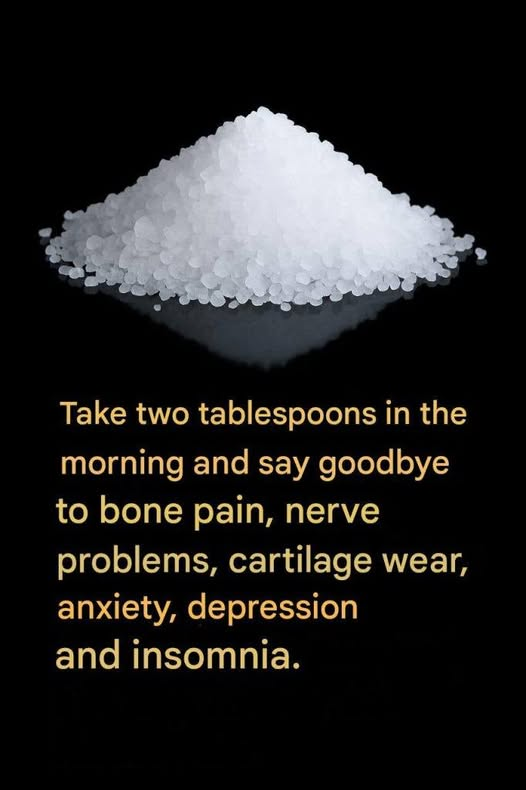
A viral health claim suggests that taking two tablespoons of a white substance every morning can eliminate bone pain, nerve problems, cartilage wear, anxiety, depression, and insomnia. The image appears to show coarse salt, but it does not identify the substance clearly.
Before trying this remedy, it is important to understand what the evidence actually says. Although certain minerals are essential for normal body function, there is no reliable scientific evidence that taking two tablespoons of salt every morning cures all these conditions.
In fact, if the substance is ordinary salt, consuming that amount could expose you to a potentially dangerous quantity of sodium.
1. What Is the White Substance in the Image?
The image appears to show white crystalline granules, possibly coarse salt. However, appearance alone cannot confirm exactly what the substance is.
Salt contains sodium and chloride, which the body needs in small amounts to maintain fluid balance, transmit nerve signals, and support normal muscle function.
However, needing sodium does not mean that consuming large quantities improves nerve health, strengthens cartilage, treats depression, or helps people sleep.
The body needs an appropriate balance of nutrients, not excessive amounts of a single ingredient.
2. Can Salt Relieve Bone Pain?
No good evidence supports using large amounts of salt as a treatment for bone pain.
Bone pain can have many causes, including injuries, arthritis-related conditions, osteoporosis complications, infections, and certain nutritional deficiencies.
Treatment depends on the underlying cause. For example, someone with a vitamin D deficiency may need appropriate supplementation, while a person with arthritis may benefit from a tailored exercise program, physical therapy, or prescribed medication.
Adding large amounts of salt to your diet does not address these underlying problems.
3. Does Salt Repair Cartilage?
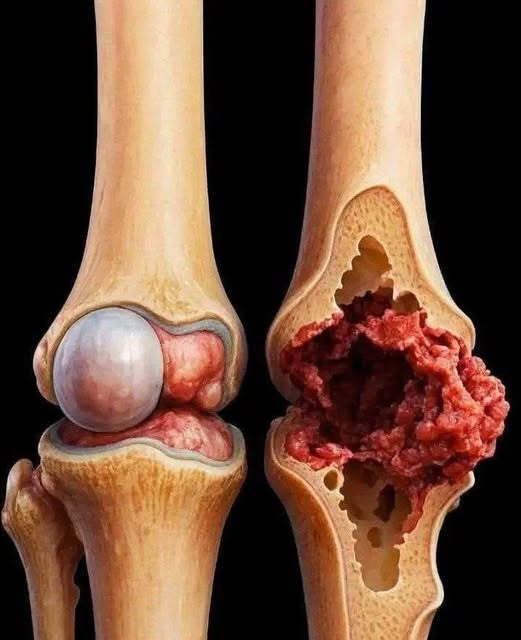
Cartilage is the smooth tissue that cushions the ends of bones inside many joints. Conditions such as osteoarthritis can gradually damage this tissue, causing pain, stiffness, and reduced mobility.
There is no convincing clinical evidence that eating spoonfuls of salt repairs damaged cartilage or reverses osteoarthritis.
Depending on the condition, joint care may include regular low-impact exercise, strengthening the muscles around affected joints, weight management when appropriate, and medical treatment to control symptoms.
Persistent joint pain or swelling should be assessed by a healthcare professional rather than treated with an unproven home remedy.
4. Can Salt Fix Nerve Problems?
Sodium plays a role in transmitting electrical signals along nerves. However, this does not mean that consuming extra salt will improve nerve damage.
Numbness, tingling, burning sensations, or nerve pain may result from conditions such as diabetes, vitamin deficiencies, nerve compression, medication effects, or other neurological disorders.
Some of these conditions require specific treatment. Excess sodium is not a substitute for identifying and treating the cause.
If you develop sudden numbness or weakness on one side of the body, difficulty speaking, or other possible stroke symptoms, seek emergency medical attention immediately.
5. Can Two Tablespoons of Salt Help Anxiety or Depression?
There is no reliable evidence that taking large quantities of salt treats anxiety or depression.
Mental health conditions can be influenced by biological, psychological, social, and environmental factors. Effective treatment may include psychotherapy, medication when appropriate, lifestyle support, and assessment by a qualified professional.
A balanced diet can support general health, but no single ingredient has been shown to cure these conditions simply by taking it every morning.
If anxiety or depression is affecting your daily life, speaking with a healthcare professional is a more reliable step than relying on viral remedies.
6. Does Salt Help You Sleep Better?
Salt is not an established treatment for insomnia.
Sleep difficulties may be associated with stress, irregular sleep schedules, pain, medications, sleep apnea, and other medical or psychological conditions.
Helpful approaches include maintaining a consistent sleep and wake time, getting daylight exposure during the day, limiting caffeine later in the day, and creating a relaxing bedtime routine.
For persistent insomnia, cognitive behavioral therapy for insomnia (CBT-I) is an evidence-based treatment that can help many people.
7. Why Taking Two Tablespoons of Salt May Be Dangerous
This is one of the most important concerns about the viral claim.
Two tablespoons of ordinary table salt can contain roughly 13,000–14,000 milligrams of sodium, depending on the salt's density and crystal size. That is several times the recommended daily sodium limit for most adults.
For context, U.S. dietary guidance recommends that adults consume less than 2,300 milligrams of sodium per day. This limit refers to total sodium from all foods and drinks, not just the salt added at the table.
Excessive sodium intake can raise blood pressure and increase cardiovascular risk. Large amounts consumed over a short period can also cause dangerous disturbances in the body's sodium and fluid balance.
People with high blood pressure, kidney disease, heart failure, or certain other medical conditions may need to be particularly careful about sodium intake.
Do not follow the image's advice to take two tablespoons of salt each morning.
If you have already swallowed a large quantity of salt, contact a local poison information service or seek urgent medical advice, particularly if you develop nausea, vomiting, intense thirst, confusion, unusual weakness, or other concerning symptoms. Severe symptoms require emergency care.
8. What Can You Do Instead?
The safest approach depends on the symptoms you want to improve.
For bone or joint pain: Seek an assessment if the pain persists, worsens, or limits your movement.
For tingling or nerve pain: Ask a healthcare professional to investigate possible causes, especially if symptoms are new or recurring.
For anxiety or depression: Consider professional mental health support and evidence-based treatment.
For insomnia: Establish consistent sleep habits and seek assessment if sleep problems continue.
For nutritional deficiencies: Use supplements only when appropriate, with advice about the correct dose.
A varied diet that includes vegetables, fruits, whole grains, protein sources, and appropriate amounts of healthy fats helps provide the nutrients needed for normal body function.
Frequently Asked Questions
Is there one ingredient that cures bone pain, nerve problems, anxiety, and insomnia?
No single ingredient has been proven to cure all these conditions. They have different causes and may require different treatments.
Is salt necessary for the body?
Yes. Sodium is essential for normal nerve and muscle function and fluid balance. However, the body needs only an appropriate amount, and excessive intake can be harmful.
Can salt deficiency cause nerve symptoms?
Severely abnormal sodium levels can affect the nervous system, but nerve symptoms have many possible causes. Do not assume that tingling or weakness means you need more salt; a healthcare professional can determine whether testing is needed.
Can I take magnesium or another supplement instead?
Supplements may help when a deficiency or specific medical need exists, but they are not universal cures. Some can interact with medications or be unsafe at high doses, particularly for people with kidney problems.
What should I do if I have persistent bone pain or insomnia?
Arrange a medical assessment to identify the underlying cause. Early evaluation can help you choose a treatment that is appropriate for your symptoms and health history.
Final Thoughts
The claim that two tablespoons of a white substance can eliminate bone pain, nerve problems, cartilage wear, anxiety, depression, and insomnia is not supported by reliable medical evidence.
If the substance shown is salt, taking the suggested amount every morning could be harmful rather than helpful. Salt is necessary for normal body function, but more is not better.
Instead of relying on a viral remedy, focus on evidence-based care, a balanced diet, and professional evaluation for persistent symptoms.
Medical disclaimer: This article is for educational purposes only and does not replace personalized medical advice, diagnosis, or treatment.