What Can Cause Severe Bone and Joint Damage? Warning Signs You Should Never Ignore
Bone and joint health plays an essential role in everyday movement, balance, and independence. When a joint becomes damaged or a bone develops an abnormal area, the effects can range from mild discomfort to severe pain and difficulty walking.
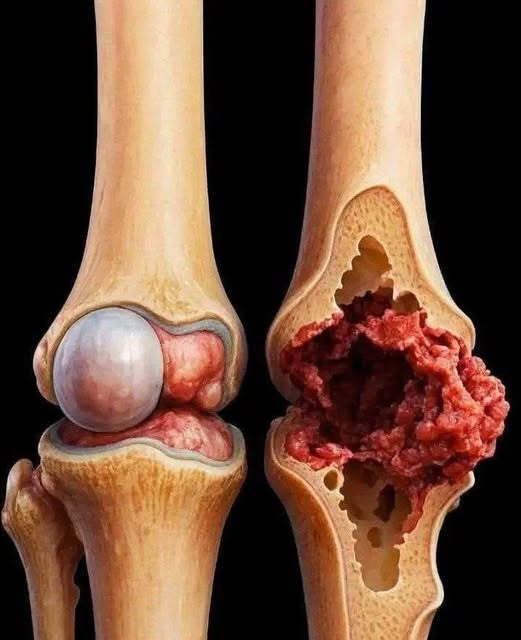
Images showing healthy bones beside severely damaged bones can look alarming. However, the appearance of a bone alone cannot establish the cause of the damage. Several medical conditions can affect bones and joints, and each requires a different approach to diagnosis and treatment.
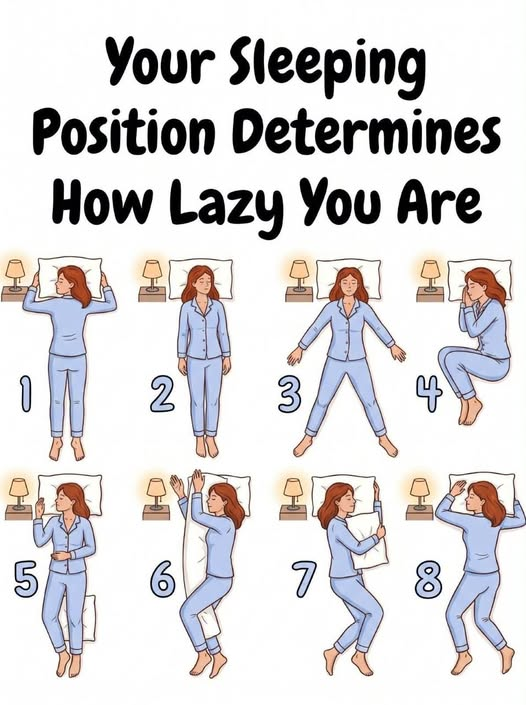
One important point to understand is that sleeping in a particular position has not been shown to cause the kind of severe bone destruction illustrated in this image. Poor sleeping posture may contribute to discomfort or stiffness, but major bone damage usually requires a different explanation.
1. Osteoarthritis and Joint Damage
Osteoarthritis is a common joint condition that develops when the tissues within a joint gradually change and deteriorate. It often affects the knees, hips, hands, and spine.
Possible symptoms include:
Joint pain during movement
Stiffness after periods of rest
Swelling around the affected joint
Reduced flexibility
Difficulty with everyday activities
Osteoarthritis can affect the cartilage that cushions the ends of bones. Over time, changes may also occur in the underlying bone and surrounding tissues.
Age, previous joint injuries, genetics, and other factors can influence the risk of developing osteoarthritis.
Treatment may include appropriate exercise, physical therapy, pain management, and other options based on the severity of the condition.
2. Osteoporosis: When Bones Become Fragile
Osteoporosis occurs when bones lose strength and become more vulnerable to fractures.
Unlike some joint conditions, osteoporosis often develops without obvious symptoms until a fracture occurs. It commonly affects the hip, spine, and wrist.
Risk factors can include:
Increasing age
Menopause and reduced estrogen levels
Family history of osteoporosis
Certain long-term medications
Low body weight or inadequate nutrient intake
Some hormonal and medical conditions
Weight-bearing activity, adequate calcium and vitamin D intake, avoiding smoking, and limiting excessive alcohol can support bone health. People at increased risk may need bone-density testing and medical treatment.
3. Bone Infections
A bone infection, known medically as osteomyelitis, can cause inflammation and damage to bone tissue.
It may develop when bacteria or other organisms reach the bone through the bloodstream, an injury, surgery, or nearby infected tissue.
Possible symptoms include:
Persistent bone pain
Fever or chills
Swelling and warmth around the affected area
Redness
Feeling generally unwell
Bone infections require prompt medical assessment. Treatment may involve antibiotics and, in some cases, surgery.
4. Inflammatory Arthritis
Conditions such as rheumatoid arthritis occur when the immune system mistakenly attacks tissues in the joints.
This can lead to inflammation, pain, swelling, stiffness, and—if the disease is not adequately controlled—joint damage.
Morning stiffness that lasts for an extended period, swelling in several joints, and symptoms affecting both sides of the body can be reasons to seek medical evaluation.
Early diagnosis and appropriate treatment can help control inflammation and reduce the risk of lasting joint damage.
5. Other Causes of Bone Destruction
Severe bone abnormalities can have other causes, including certain benign or malignant tumors, metabolic disorders, and injuries.
The illustration alone cannot determine which condition is present. Doctors may use a medical history, physical examination, X-rays, other imaging tests, blood tests, or a biopsy when appropriate.
It is important not to diagnose a serious bone condition based on a social media image.
Can Sleeping Habits Damage Your Bones?
Sleep position can affect comfort, muscle tension, and pressure on certain joints. For example, sleeping with poor support may aggravate neck, shoulder, hip, or back discomfort in some people.
However, ordinary sleeping positions do not cause severe bone destruction like the damage depicted in the image.
For more comfortable sleep:
Choose a pillow that supports your neck in a neutral position.
Use a mattress that feels supportive and comfortable.
If side-sleeping, consider placing a pillow between your knees.
Change position if you develop numbness or discomfort.
Maintain regular physical activity during the day.
These habits may help reduce discomfort, but they cannot prevent or treat every bone or joint disease.
Nutrients That Support Bone Health
A balanced diet provides nutrients needed for normal bone maintenance.
Calcium
Calcium is essential for bone structure. Sources include dairy products, calcium-fortified foods, certain leafy greens, and some fish eaten with their edible bones.
Vitamin D
Vitamin D helps the body absorb calcium. Sunlight exposure, food, and supplements can contribute to vitamin D status, depending on individual circumstances.
Protein
Protein supports muscles and other tissues that help protect and stabilize joints.
A Varied Diet
Vegetables, fruit, whole grains, legumes, nuts, and suitable protein sources contribute to overall health.
Supplements are not necessary for everyone. If you have osteoporosis, a diagnosed deficiency, or another medical condition, ask your healthcare professional whether supplementation is appropriate.
Warning Signs That Need Medical Attention
Arrange a medical appointment if you experience persistent bone pain, worsening joint stiffness, unexplained swelling, or difficulty walking.
Seek urgent medical care if you have:
Severe pain after an injury
A visibly deformed joint or limb
Inability to bear weight after an injury
A hot, swollen joint accompanied by fever
Severe, persistent bone pain with unexplained illness
These symptoms may indicate a condition that needs prompt investigation.
Frequently Asked Questions
Can sleeping on one side cause arthritis?
Sleeping on one side has not been established as a cause of arthritis. Sleep position may affect comfort, but arthritis develops through more complex processes involving joint tissues and individual risk factors.
Can damaged cartilage grow back naturally?
The body's ability to repair cartilage is limited, particularly in weight-bearing joints. Some treatments can improve symptoms and function, but there is no simple home remedy that reliably restores severely damaged cartilage.
Does calcium prevent all bone problems?
No. Calcium supports bone health, but it cannot prevent every fracture or bone disease. Bone health also depends on factors such as vitamin D, physical activity, hormones, genetics, and underlying medical conditions.
Can severe bone damage be treated?
Treatment depends on the cause. Options may include medication, physical therapy, treatment of infection, management of inflammatory disease, or surgery in selected cases.
Final Thoughts
Severe bone and joint damage can result from several medical conditions, including osteoarthritis, osteoporosis, infections, inflammatory arthritis, and other disorders. The correct diagnosis depends on clinical assessment and, when needed, appropriate testing.
Healthy sleep habits can support comfort and general well-being, but it would be misleading to claim that a particular sleeping position causes the severe bone destruction shown in this image.
If you have persistent pain, swelling, stiffness, or difficulty moving, consult a healthcare professional to identify the cause and discuss appropriate treatment.
Medical disclaimer: This article is for educational purposes only and does not replace professional medical advice, diagnosis, or treatment.