Sarcopenia After 40: Why You Lose Muscle and How to Regain Strength
Have you noticed that carrying groceries feels harder than it used to? Maybe climbing stairs takes more effort, getting up from a chair feels difficult, or your arms and legs seem less strong than before.
These changes can sometimes be related to sarcopenia, a condition characterized by the loss of muscle strength and muscle mass. Although it is more common with advancing age, muscle loss can begin earlier in adulthood, and its rate varies from person to person.
The encouraging news is that muscle loss is not inevitable, and there are practical ways to help preserve strength and mobility. Resistance exercise, adequate nutrition, and attention to underlying health conditions can make a meaningful difference.
What Is Sarcopenia?
Sarcopenia is a progressive skeletal muscle disorder associated with reduced muscle strength, lower muscle quantity or quality, and, in more advanced cases, impaired physical performance.
Some decline in muscle mass occurs naturally with age. However, significant muscle weakness can make everyday activities more difficult and increase the risk of falls and loss of independence. <Cite refs={["turn203014search4","turn203014search5"]}/>
Sarcopenia is not diagnosed simply by looking at someone's arms or legs. A healthcare professional may assess muscle strength, walking ability, medical history, and muscle mass using appropriate measurements or tests.
Why Can You Lose Muscle After 40?
Muscle loss does not happen at the same rate for everyone. Several factors can contribute to declining muscle strength and size.
1. Natural Aging
As people age, their bodies may become less efficient at maintaining and rebuilding muscle tissue. Changes in hormones, muscle metabolism, and recovery can contribute to gradual muscle loss.
However, turning 40 does not automatically mean you will develop sarcopenia. Physical activity, nutrition, genetics, and overall health all influence the process.
2. Not Getting Enough Physical Activity
Muscles need regular challenges to maintain strength. Spending most of the day sitting, avoiding resistance exercise, or becoming inactive after an illness can contribute to muscle loss.
Even people who walk regularly may benefit from strength training because walking alone does not challenge every muscle group sufficiently.
3. Eating Too Little Protein
Protein supplies amino acids that the body uses to maintain and repair muscle tissue. Consistently eating too little protein may make it harder to preserve muscle, particularly in older adults.
A varied diet that includes protein-rich foods can help support muscle health.
4. Losing Weight Too Quickly
Rapid weight loss can involve losing muscle as well as body fat, particularly when calorie intake is very low or protein intake and physical activity are inadequate.
If you are trying to lose weight, a sustainable approach that includes appropriate nutrition and resistance exercise can help protect muscle.
5. Chronic Illness and Other Health Conditions
Some chronic diseases, prolonged inactivity, certain medications, and periods of hospitalization can contribute to muscle weakness or muscle loss.
If you notice persistent weakness, it is important not to assume that aging is the only cause. A medical evaluation may identify an underlying condition that needs treatment.
8 Warning Signs That Your Muscles May Be Losing Strength
The following signs are worth discussing with a healthcare professional if they are new, persistent, or getting worse.
1. Difficulty Getting Up From a Chair
Needing to push strongly with your arms to stand from a chair, when you previously could stand easily, may indicate reduced leg strength.
2. Climbing Stairs Becomes Harder
If your legs tire more quickly or stairs require noticeably more effort, muscle weakness may be one possible explanation.
3. Reduced Grip Strength
Finding it increasingly difficult to open jars, carry shopping bags, or hold everyday objects can sometimes reflect declining muscle strength.
4. Walking More Slowly
A noticeable reduction in walking speed or endurance may be related to muscle weakness, balance problems, joint pain, or other medical conditions.
5. Frequent Falls or Loss of Balance
Muscle weakness can affect stability and mobility. Repeated falls deserve medical attention because they can have several possible causes.
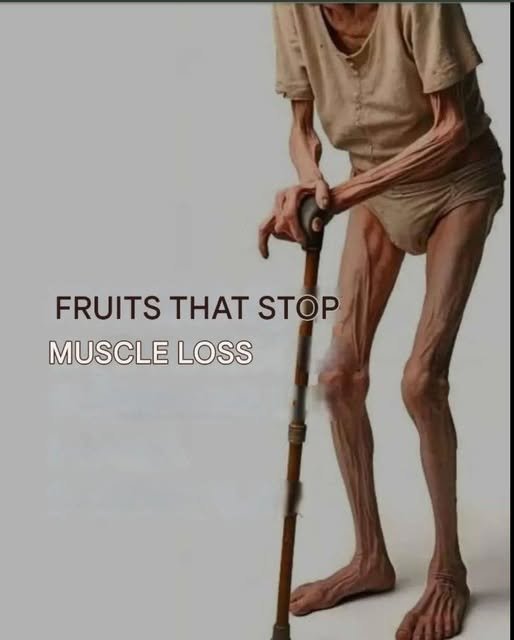
6. Noticeable Muscle Shrinkage
Your arms, thighs, or calves may appear smaller if you lose muscle. However, appearance alone cannot confirm sarcopenia.
7. Difficulty Carrying Everyday Items
If ordinary household tasks become unusually tiring, consider whether your strength has changed and whether other symptoms are present.
8. Increasing Difficulty With Daily Activities
Trouble bathing, dressing, shopping, or completing familiar tasks may signal a need for assessment and support.
These signs are not specific to sarcopenia. Arthritis, nerve disorders, anemia, heart or lung conditions, and other problems can also cause weakness or reduced mobility.
How to Regain Muscle Strength Safely
The main goal is to challenge muscles progressively while giving your body enough nutrition and recovery time.
1. Start Resistance Training
Resistance exercise is one of the most important approaches to improving muscle strength and function in people with sarcopenia.
You do not necessarily need a gym. Depending on your abilities, exercises may include:
Standing up and sitting down from a sturdy chair.
Wall push-ups.
Resistance-band exercises.
Light dumbbell exercises.
Calf raises while holding a stable support.
Begin at a manageable level and increase the difficulty gradually as your strength improves.
If you have significant weakness, balance problems, joint pain, heart disease, or another medical condition, ask your healthcare professional or physiotherapist which exercises are suitable.
2. Include Protein-Rich Foods
Protein supports muscle maintenance and repair. Useful sources include:
Eggs.
Fish and seafood.
Chicken and other lean meats.
Milk, yogurt, and other dairy products.
Beans, lentils, and chickpeas.
Tofu and other soy foods.
Nuts and seeds.
Try to include an appropriate protein source in your meals rather than relying on one food alone.
Some older adults may need more protein than they currently consume, but individual requirements vary. People with kidney disease or other conditions affecting dietary protein should seek personalized advice before increasing their intake substantially.
3. Eat Enough Overall Calories
Muscle maintenance requires more than protein alone. If you consistently eat too little, your body may struggle to preserve muscle, particularly during periods of illness or weight loss.
Include a balanced combination of protein, whole grains or other suitable carbohydrates, healthy fats, fruits, and vegetables.
If you have unintentionally lost weight or have a poor appetite, speak with a healthcare professional.
4. Increase Activity Throughout the Day
In addition to strength training, regular movement can help maintain physical function.
Depending on your health and abilities, try short walks, gentle cycling, gardening, or movement breaks during long periods of sitting.
Build up gradually rather than attempting a sudden, intense exercise routine.
5. Give Your Body Time to Recover
Rest is part of a successful exercise plan. Allow time between challenging sessions for your muscles to recover, and prioritize adequate sleep.
If an exercise causes sharp pain, significant dizziness, chest pain, or unusual breathlessness, stop and seek appropriate medical advice.
6. Check for Vitamin and Nutrient Deficiencies
Vitamin D and other nutrients play roles in normal muscle and bone function. However, taking extra vitamins does not automatically restore muscle strength, and vitamin D supplementation alone has not been established as an effective treatment for sarcopenia in everyone.
A clinician can determine whether testing or supplementation is appropriate based on your health and risk factors.
7. Address Underlying Health Problems
If muscle weakness is related to a medical condition, medication effect, or nutritional deficiency, treating that problem may be an important part of recovery.
A clinician may evaluate muscle strength, walking speed, nutritional status, medication use, and possible underlying causes. Additional testing can be considered when needed.
International clinical guidelines strongly recommend resistance-based exercise for managing sarcopenia and support considering a protein-rich diet or supplementation when appropriate. <Cite refs={["turn203014search0","turn203014search3"]}/>
A Simple Weekly Routine to Support Muscle Health
The following is an example for generally healthy adults who can exercise safely. It should be adapted to your fitness level and medical circumstances.
Day
Suggested activity
Monday
Gentle strength exercises for the whole body
Tuesday
Walking or another comfortable aerobic activity
Wednesday
Rest or gentle mobility exercises
Thursday
Strength exercises with manageable resistance
Friday
Walking and balance practice, if safe
Saturday
An enjoyable activity such as gardening or cycling
Sunday
Rest and recovery
Start with short sessions and light resistance if you are new to exercise. Consistency matters more than trying to do everything at once.
Can You Reverse Sarcopenia?
Improvements are possible, particularly in muscle strength and physical function, when exercise and nutrition are appropriate. The amount of improvement depends on the person's health, the severity of muscle loss, and other factors.
Some people may regain meaningful strength, while others may focus on slowing further decline and maintaining independence.
There is no single supplement, food, or exercise that guarantees complete recovery. A personalized plan is often the most useful approach.
Frequently Asked Questions
Does sarcopenia start at age 40?
Muscle loss can begin in adulthood, but sarcopenia is more common as people get older. Being 40 or older does not automatically mean you have this condition.
What is the best exercise for sarcopenia?
Progressive resistance training is a key approach because it challenges muscles and can improve strength and physical function. The best exercises depend on your abilities and health.
Can eating more protein rebuild lost muscle?
Adequate protein supports muscle maintenance and repair, but protein alone is not enough. Combining suitable nutrition with resistance exercise is generally more effective than relying on diet or supplements alone.
Do I need protein powder?
Not necessarily. Many people can meet their protein needs through food. Supplements may be useful in certain circumstances, but they are not required for everyone. Ask a healthcare professional or dietitian if you struggle to eat enough.
When should I see a doctor about muscle weakness?
Arrange an assessment if weakness is persistent, worsening, or interfering with walking, climbing stairs, or everyday activities. Seek urgent care for sudden weakness, especially if it affects one side of the body or occurs with facial drooping or difficulty speaking.
Final Thoughts
Sarcopenia can affect strength, mobility, and independence, but losing muscle is not an unavoidable consequence of getting older.
Regular resistance exercise, adequate nutrition, sufficient protein, and management of underlying health conditions can help support muscle health. Start at a level that feels manageable, increase activity gradually, and seek professional guidance if you notice persistent weakness or difficulty with everyday tasks.
The goal is not simply to build bigger muscles. It is to preserve the strength and confidence needed to keep moving, stay independent, and enjoy daily life.
Medical Disclaimer
This article is for educational purposes only and does not replace professional medical advice, diagnosis, or treatment. Consult a qualified healthcare professional before starting a new exercise or nutrition program, particularly if you have a chronic condition or significant muscle weakness.