What Happens to Your Bones and Joints Over Time? Causes, Warning Signs, and How to Protect Them
Your bones and joints support nearly every movement you make, from walking and climbing stairs to bending your knees and getting out of bed. But as the body ages, changes in cartilage, bone density, muscles, and connective tissues can affect comfort and mobility.
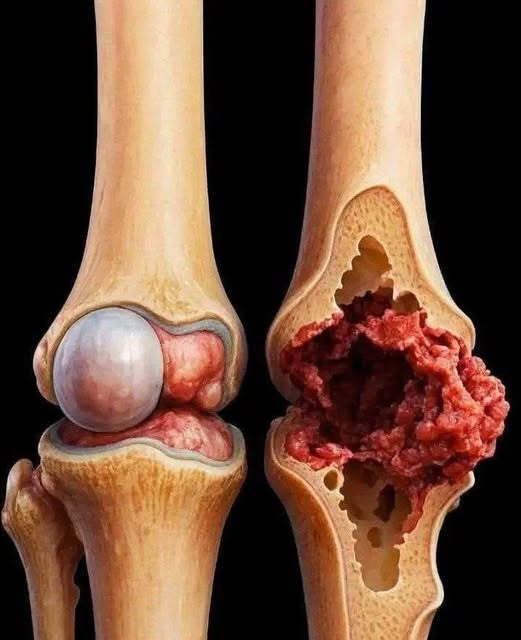
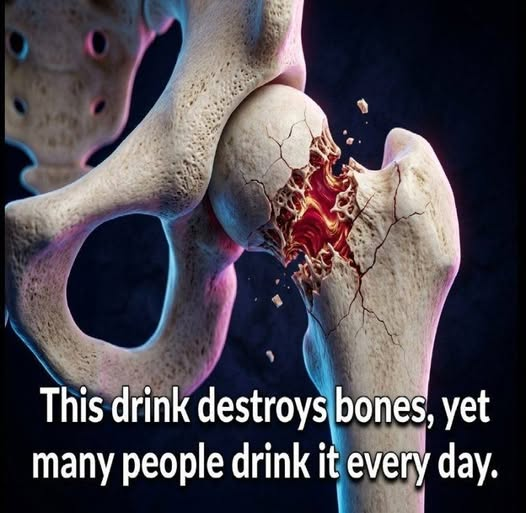
An image showing a healthy joint beside a severely damaged one can look alarming. However, joint damage usually develops through a combination of factors over time. It cannot be attributed to a particular sleeping position based on an image alone.
Understanding what causes joint damage—and what you can do to support healthy movement—can help you make informed decisions about your long-term health.
1. Understanding the Difference Between Bones and Joints
A joint is the place where two or more bones meet. Many joints, including the knees and hips, contain cartilage, a smooth protective tissue that helps the bones move against one another with less friction.
The joint also includes supporting structures such as ligaments, tendons, muscles, and a lining that produces lubricating fluid.
When these tissues become damaged or change over time, movement may become painful or restricted.
In a healthy knee, cartilage helps distribute pressure during walking and bending. In a knee affected by advanced osteoarthritis, the cartilage may become thinner and rougher, and changes can occur in the underlying bone.
2. What Causes Joint Damage?
Joint problems can have several causes. Age is one factor, but it is not the only one.
Osteoarthritis
Osteoarthritis is a common joint condition involving changes and breakdown in cartilage and other joint tissues. It frequently affects the knees, hips, hands, and spine.
Symptoms can include pain during movement, stiffness after resting, swelling, and difficulty completing everyday activities.
Risk factors include increasing age, previous joint injuries, family history, and excess body weight. Osteoarthritis can also occur in younger people, particularly after certain injuries. <Cite refs={["turn905841search1","turn905841search2"]}/>
Previous Injuries
A fracture, ligament injury, or other significant joint injury can increase the likelihood of developing arthritis later.
Allowing an injury to heal properly and following appropriate rehabilitation advice can help restore strength and function.
Excess Pressure on Weight-Bearing Joints
The knees and hips carry much of the body's weight. For people who are overweight, losing weight gradually may reduce pressure on these joints and improve osteoarthritis symptoms.
However, joint pain is not always caused by weight, and people of all body sizes can develop joint conditions.
Inflammatory Conditions
Conditions such as rheumatoid arthritis can cause inflammation in and around joints. Unlike osteoarthritis, rheumatoid arthritis is an autoimmune disease that can damage joint tissues if it is not appropriately treated.
Persistent swelling, warmth, or prolonged morning stiffness may warrant medical evaluation.
3. Can Your Sleeping Position Damage Your Bones?
For most healthy adults, sleeping in a particular position is not known to cause severe bone destruction or advanced osteoarthritis by itself.
However, your sleeping position can influence comfort, especially if you already have knee, hip, shoulder, or back pain.
For example:
Side sleepers with painful knees may feel more comfortable placing a pillow between their knees.
People who sleep on their backs may find that a pillow under the knees reduces discomfort.
A supportive pillow and mattress can help some people maintain a comfortable sleeping posture.
The most suitable position is usually one that allows you to sleep comfortably without increasing your symptoms. There is no single position that everyone must use to protect their joints. <Cite refs={["turn905841search9","turn905841search10"]}/>
4. Warning Signs That Your Joints Need Attention
Joint discomfort is common, but persistent or worsening symptoms should not automatically be dismissed as a normal part of aging.
Look out for:
Pain that repeatedly returns or interferes with daily activities.
Swelling around a joint.
Stiffness that limits movement.
Difficulty walking, climbing stairs, or bearing weight.
A joint that feels unstable or gives way.
Persistent bone pain, especially when it occurs at night.
These symptoms do not necessarily mean you have a serious disease. A healthcare professional can examine the affected area and decide whether tests or specialist assessment are needed.
A hot, red, swollen joint accompanied by fever requires urgent medical assessment, as it may indicate an infection.
5. How to Support Healthy Bones and Joints
You cannot prevent every joint condition, but several habits can help maintain strength, mobility, and overall health.
Stay Physically Active
Regular, suitable physical activity strengthens muscles that support the joints and helps maintain mobility.
Depending on your health and abilities, options may include walking, swimming, cycling, or gentle strengthening exercises.
If you already have significant joint pain, start gradually and ask a physiotherapist or healthcare professional for advice on suitable movements.
Eat a Balanced Diet
A nutritious diet supports bones, muscles, and general health.
Include a variety of foods such as:
Dairy products or suitable calcium-fortified alternatives.
Vegetables and fruits.
Beans, lentils, nuts, and whole grains.
Protein-rich foods such as eggs, fish, poultry, or other suitable sources.
Calcium and vitamin D are important for bone health, but supplements are not automatically necessary for everyone. Ask a healthcare professional whether you need them.
Maintain a Healthy Weight if Appropriate
For people carrying excess weight, gradual weight loss can reduce stress on weight-bearing joints and may improve symptoms of knee and hip osteoarthritis.
Choose sustainable eating and activity habits rather than extreme diets.
Protect Yourself From Injuries
Use suitable footwear, follow safety guidance during exercise, and allow adequate recovery after injuries.
If you have an injury that causes severe pain, substantial swelling, deformity, or an inability to bear weight, seek prompt medical assessment.
Get Enough Sleep
Good-quality sleep supports overall well-being and can help you cope with pain. If joint discomfort disrupts your sleep regularly, discuss it with a healthcare professional rather than assuming that changing your sleeping position will solve the underlying problem.
6. What Treatments Are Available for Damaged Joints?
Treatment depends on the diagnosis, the severity of symptoms, and how the condition affects daily life.
A clinician may recommend:
Physiotherapy: Exercises can improve strength, flexibility, balance, and joint function.
Pain management: Appropriate pain-relieving treatments may help control symptoms. The safest option depends on your health history and other medications.
Lifestyle changes: Suitable exercise, weight management when needed, and adjustments to daily activities may reduce symptoms.
Medical treatment for inflammatory conditions: Some forms of arthritis require specific medicines to control inflammation and prevent further damage.
Surgery: For severe joint damage that substantially limits daily activities, procedures such as joint replacement may be considered.
Not everyone with arthritis needs surgery, and treatment plans should be tailored to the individual.
7. Does Severe Bone Damage Always Mean Cancer?
No. Severe-looking damage in an illustration does not establish that a person has cancer.
Osteoarthritis, injuries, infections, and other medical conditions can affect bones and joints in different ways. Bone cancer is a separate and relatively rare condition.
Persistent bone pain, a growing lump or swelling, unexplained weight loss, or pain that is especially noticeable at night should be evaluated by a healthcare professional. These symptoms can have many causes, and an assessment is needed to determine what is happening. <Cite refs={["turn905841search0","turn905841search12"]}/>
Frequently Asked Questions
Can sleeping on one side cause arthritis?
There is no strong evidence that ordinary side sleeping by itself causes osteoarthritis. However, a particular position may worsen discomfort in an already painful joint.
Can damaged cartilage grow back naturally?
Cartilage has limited ability to repair itself, particularly when damage is substantial. Some treatments can improve pain and function, but they do not necessarily restore cartilage to its original condition.
Is joint cracking a sign of damage?
Not always. Painless clicking or cracking can occur in healthy joints. If the sounds are accompanied by pain, swelling, locking, or instability, seek medical advice.
Can exercise make arthritis worse?
Appropriately selected exercise often helps people with osteoarthritis. High-impact or overly intense activity may aggravate symptoms in some circumstances, so choose an activity level suited to your condition and increase it gradually.
When should I seek medical advice for joint pain?
Arrange an assessment if pain persists, worsens, limits movement, or repeatedly interferes with sleep. Seek urgent care for a hot, red, swollen joint with fever or a serious injury that prevents you from bearing weight.
Final Thoughts
Healthy bones and joints depend on a combination of factors, including physical activity, nutrition, injury prevention, and appropriate medical care.
Although sleeping position can influence comfort, the image does not prove that a particular sleeping habit causes severe bone damage. Conditions such as osteoarthritis develop through more complex processes and often require an individualized treatment plan.
Pay attention to persistent symptoms, keep moving within your abilities, and seek medical advice when pain or stiffness begins to affect your daily life.
Medical disclaimer: This article is for educational purposes only and is not a substitute for professional medical advice, diagnosis, or treatment.