Can Two Spoonfuls of This Food Help Knee Pain? What Science Really Says About Cartilage Health
Knee pain can make everyday activities such as walking, climbing stairs, and getting out of a chair feel difficult. For people living with osteoarthritis, the discomfort may come with stiffness, swelling, and gradual changes in the cartilage that cushions the knee joint.
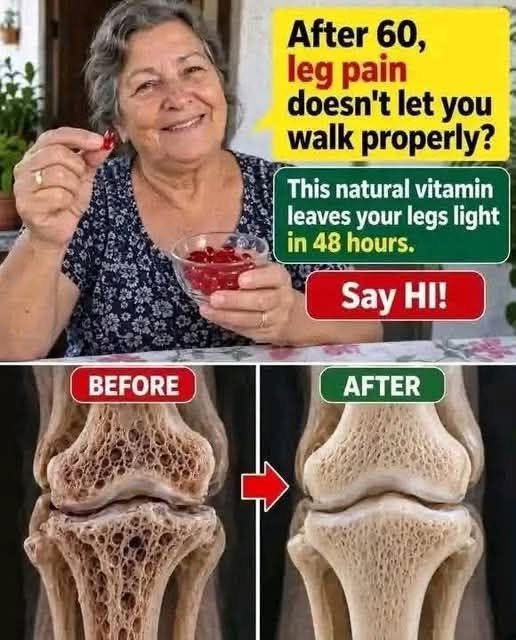
Online posts sometimes claim that eating just two spoonfuls of a particular food can rebuild knee cartilage in 24 hours. The promise sounds appealing, especially for older adults hoping to stay active without pain.
But is it medically possible?
There is no reliable scientific evidence that two spoonfuls of any food can rebuild damaged knee cartilage in just 24 hours. However, a balanced diet, appropriate exercise, and evidence-based treatment can support joint health and help many people manage knee pain.
What Is Knee Cartilage, and Why Is It Important?
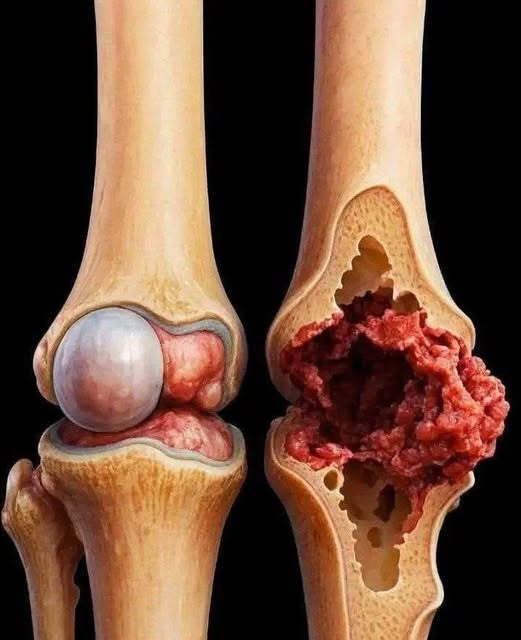
Cartilage is a smooth, firm tissue that covers the ends of bones where they meet inside a joint. In the knee, it helps the joint move smoothly and distributes forces during walking and other activities.
Osteoarthritis develops when the structures within a joint undergo changes, including the gradual breakdown of cartilage. This may lead to pain, stiffness, swelling, and reduced movement.
Unlike some other tissues in the body, cartilage has a limited ability to repair itself because it has very little direct blood supply.
That is one reason why eating a particular food cannot instantly replace cartilage that has already been damaged.
Can Food Rebuild Knee Cartilage Overnight?
No food has been proven to regenerate damaged knee cartilage within 24 hours.
Nutrition is still important. Your body needs adequate protein, vitamins, minerals, and other nutrients to maintain normal tissues and overall health. But providing these nutrients does not mean that damaged cartilage will suddenly grow back.
Some foods may support a healthy dietary pattern, and maintaining a healthy weight can reduce stress on weight-bearing joints. These benefits are different from reversing cartilage damage.
Be cautious of claims that promise instant cartilage repair, guaranteed pain relief, or a cure for arthritis using a simple kitchen ingredient.
5 Foods That Can Support Overall Joint Health
Although no single food can rebuild cartilage overnight, these options can be part of a balanced eating pattern.
1. Fatty Fish
Salmon, sardines, and other oily fish provide protein and omega-3 fatty acids. Omega-3 fats are known for their roles in normal body function and may help support a healthy dietary pattern.
However, eating fish has not been shown to restore worn knee cartilage within a day.
2. Extra-Virgin Olive Oil
Olive oil contains monounsaturated fats and other compounds that fit well into a Mediterranean-style diet.
Using it instead of some sources of saturated fat can support overall cardiovascular and metabolic health. Its effect on knee osteoarthritis symptoms varies, and it should not be considered a stand-alone treatment.
3. Colorful Fruits and Vegetables
Berries, oranges, leafy greens, broccoli, and other vegetables provide vitamins, minerals, fiber, and plant compounds.
These foods help create a balanced diet that supports general health. Some compounds have been studied for their possible effects on inflammation, but evidence does not establish that a specific fruit or vegetable can rebuild human knee cartilage.
4. Protein-Rich Foods
Eggs, fish, poultry, beans, lentils, yogurt, and other protein-rich foods help the body maintain muscle and other tissues.
Strong muscles around the knee can support movement and joint function. Adequate protein is particularly important for older adults, although individual needs vary.
5. Nuts and Seeds
Walnuts, chia seeds, flaxseeds, and other nuts and seeds provide healthy fats, fiber, and various nutrients.
They can be useful additions to a balanced diet. People with allergies or specific dietary restrictions should choose suitable alternatives.
What Actually Helps With Knee Osteoarthritis?
For people with knee osteoarthritis, evidence-based management usually focuses on reducing pain, maintaining movement, and improving everyday function.
Regular, Appropriate Exercise
Strengthening the muscles around the knee can improve support and function. Low-impact activities such as walking on a comfortable surface, swimming, or cycling may help, depending on the person's condition.
Start gradually and choose exercises that suit your abilities. A physiotherapist can recommend movements that are appropriate for your symptoms.
Maintaining a Healthy Weight
For people who are overweight, even modest weight loss may reduce the load on the knees and improve osteoarthritis symptoms.
The goal should be a sustainable approach that preserves muscle and provides adequate nutrition, rather than an extreme diet.
Appropriate Pain Management
A healthcare professional can discuss options such as topical anti-inflammatory medicines, other pain-relief treatments, physiotherapy, and—in selected cases—injections or surgery.
The right treatment depends on your symptoms, medical history, other medications, and the severity of the joint problem.
Getting an Accurate Diagnosis
Knee pain does not always mean cartilage damage. It may also result from tendon problems, bursitis, injuries, inflammatory arthritis, or other conditions.
A clinician can assess the cause and help you choose an appropriate treatment plan.
What About Collagen, Glucosamine, and Chondroitin Supplements?
These products are often marketed for joint health, but the evidence is mixed.
Some people report improvements in pain or stiffness with certain supplements, while studies have not consistently shown meaningful benefits. A supplement that may help symptoms in some individuals should not be assumed to regenerate damaged cartilage.
Supplements can also interact with medications or be unsuitable for people with certain health conditions. Speak with your healthcare professional before starting one, particularly if you take prescription medicines.
When Should You See a Doctor About Knee Pain?
Arrange a medical assessment if knee pain persists, worsens, limits your walking, or repeatedly interferes with daily activities.
Seek urgent medical care if your knee becomes suddenly very swollen, hot, or red, especially if you also have a fever. Get prompt assessment after a significant injury or if you cannot bear weight on the affected leg.
Do not delay an evaluation because an online remedy promises quick results.
Frequently Asked Questions
Can knee cartilage heal itself?
Cartilage has limited natural repair capacity. The outlook depends on the type, location, and severity of the damage. Some injuries may be treated with specialized procedures, but ordinary foods cannot guarantee cartilage regeneration.
Can I walk if I have knee osteoarthritis?
Many people with osteoarthritis benefit from suitable physical activity. The amount and type should match your symptoms and abilities. If walking significantly worsens your pain, consult a healthcare professional or physiotherapist about alternatives.
Are two spoonfuls of a food enough to relieve knee pain?
There is no established two-spoonful food remedy that reliably treats knee osteoarthritis or rebuilds cartilage. The ingredient matters nutritionally, but claims of rapid, guaranteed results are not supported by strong evidence.
Does osteoarthritis always get worse?
Not necessarily. Symptoms and progression vary from person to person. Exercise, weight management when appropriate, and suitable treatment can help many people maintain mobility and quality of life.
Final Thoughts
Healthy eating can support your body, but no single food has been shown to rebuild damaged knee cartilage in 24 hours.
If your goal is to walk more comfortably, focus on a balanced diet, suitable muscle-strengthening exercises, weight management when needed, and professional guidance about persistent pain.
Be skeptical of dramatic promises that claim to reverse arthritis overnight. Reliable care is more likely to help you protect your mobility over the long term.
Medical disclaimer: This article is for educational purposes only and does not replace professional medical advice, diagnosis, or treatment.