Leg Pain After 60? What Older Adults Should Know About Vitamins, Joint Health, and Mobility
Leg pain, stiff joints, and difficulty walking can become more common as we get older. For adults over 60, these problems may make everyday activities such as climbing stairs, getting out of a chair, or taking a morning walk more challenging.
But what causes leg pain, and can vitamins or certain foods really help?
The answer depends on the underlying cause. While proper nutrition can support healthy muscles, bones, and nerves, no single vitamin can guarantee that leg pain will disappear within 48 hours.
Why Does Leg Pain Become More Common After 60?
Several factors can contribute to leg discomfort as we age, including:
Osteoarthritis: Wear and changes in joint cartilage can lead to pain, stiffness, and reduced mobility.
Vitamin D deficiency: Low vitamin D levels can affect bone and muscle health.
Vitamin B12 deficiency: In some people, insufficient B12 can contribute to numbness, tingling, balance problems, or weakness.
Muscle weakness: Reduced physical activity and age-related muscle loss can make walking more difficult.
Circulation problems: Poor blood flow may cause leg pain, particularly during walking.
Nerve problems: Conditions affecting the nerves can cause burning, tingling, or shooting pain.
Identifying the cause is important because different conditions require different treatments.
Can Vitamins Help With Leg Pain?
Vitamins play important roles in maintaining healthy bones, muscles, and nerves. However, supplements are most helpful when they address a deficiency or another specific medical need.
1. Vitamin D for Bone and Muscle Health
Vitamin D helps the body absorb calcium and maintain healthy bones. A deficiency can contribute to bone discomfort and muscle weakness.
Sources include:
Fatty fish, such as salmon
Egg yolks
Fortified milk and other fortified foods
Vitamin D supplements when recommended by a healthcare professional
2. Vitamin B12 for Healthy Nerves
Vitamin B12 supports normal nerve function and red blood cell production. A deficiency can sometimes cause numbness, tingling, or balance difficulties.
Foods containing B12 include fish, meat, eggs, dairy products, and fortified foods.
Older adults who have difficulty absorbing B12 may need a supplement, depending on their individual circumstances.
3. Calcium for Strong Bones
Calcium helps maintain bone strength. Good sources include milk, yogurt, cheese, calcium-fortified plant beverages, and certain leafy green vegetables.
Getting enough calcium is important, but taking extra calcium does not automatically relieve joint pain.
Foods That Support Healthy Aging
A balanced eating pattern can help support mobility and overall health.
Consider including:
Fatty fish: Provides protein and omega-3 fatty acids.
Leafy greens: Supply vitamins and other beneficial nutrients.
Berries and cherries: Provide fiber and antioxidant compounds.
Eggs: Offer protein and several important nutrients.
Beans and lentils: Provide protein, fiber, and minerals.
Nuts and seeds: Supply healthy fats and additional nutrients.
No individual food can cure arthritis or reverse joint damage, but a varied diet can contribute to long-term well-being.
Gentle Daily Habits That May Improve Mobility
Alongside good nutrition, several habits may help older adults maintain their independence.
Stay physically active. Gentle walking, water exercises, and appropriate strength training can support muscle function. Choose activities that match your abilities.
Stretch carefully. Gentle movements may help reduce stiffness. Stop if an exercise causes sharp or worsening pain.
Wear supportive footwear. Comfortable, well-fitting shoes can improve stability and make walking more comfortable.
Maintain a healthy weight. If appropriate for your circumstances, managing excess weight may reduce stress on the knees and hips.
Get enough rest. Adequate sleep supports recovery and general health.
If you have persistent pain, ask a healthcare professional which activities are safe for you.
When Should You See a Doctor?
Do not assume that leg pain is simply a normal part of aging. Arrange a medical assessment if pain persists, gets worse, interferes with walking, or comes with numbness or weakness.
Seek urgent medical care if one leg suddenly becomes swollen, red, warm, or painful, as these symptoms may indicate a blood clot. Sudden severe leg pain, a cold or pale foot, or new major weakness also requires urgent evaluation.
Frequently Asked Questions
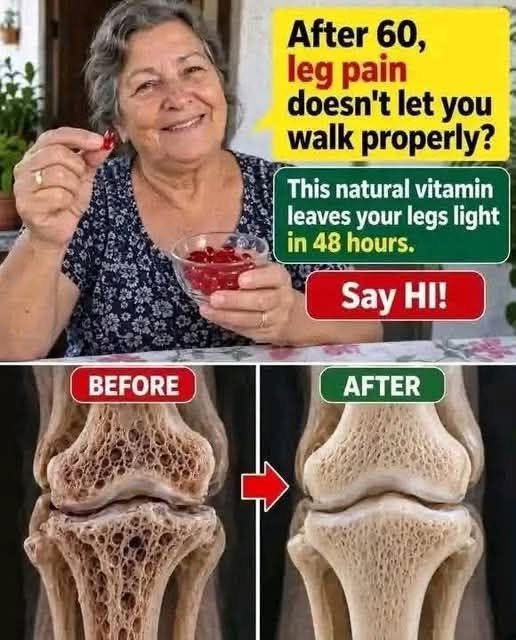
Can a vitamin stop leg pain in 48 hours?
There is no reliable evidence that one vitamin can consistently eliminate leg pain within 48 hours. Treatment depends on the cause, and correcting a deficiency may take time.
Is leg pain always caused by arthritis?
No. Muscle injuries, nerve conditions, circulation problems, vitamin deficiencies, and other medical conditions can also cause leg pain.
Should adults over 60 take vitamin supplements every day?
Not necessarily. Supplement needs vary depending on diet, medical conditions, medications, and laboratory results. A healthcare professional can help determine whether supplementation is appropriate.
Does walking help painful joints?
Appropriate low-impact activity can help many people maintain strength and mobility. However, new, severe, or unexplained pain should be evaluated before starting a new exercise routine.
Final Thoughts
Leg pain after 60 deserves attention, especially when it affects balance, walking, or daily activities. Vitamins and nutritious foods can support healthy aging, but they are not a guaranteed cure for joint pain.
The best approach is to identify the cause, eat a balanced diet, remain safely active, and seek professional advice when symptoms persist.
Take care of your mobility today so you can continue enjoying the activities that matter most to you.
Health disclaimer: This article is for educational purposes only and does not replace professional medical advice, diagnosis, or treatment. Do not start high-dose supplements without consulting a qualified healthcare professional.