The 5 Drinks That May Harm Your Bones When Consumed in Excess
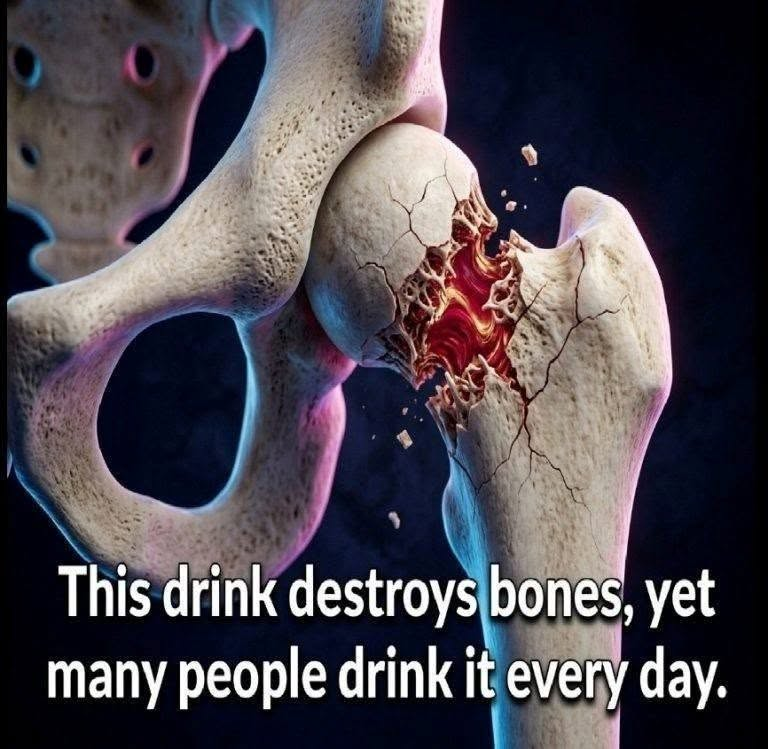
Your bones do more than support your body. They protect vital organs, help you move, and store minerals such as calcium. As we age, maintaining strong bones becomes increasingly important because bone density can gradually decline, raising the risk of osteoporosis and fractures.
While diet is only one part of bone health, the beverages we drink every day can influence how well we meet our nutritional needs. Some drinks contain large amounts of added sugar or caffeine, while others may contribute to bone loss when consumed excessively.
Here are five types of drinks worth paying attention to—and what research actually says about their effects on your bones.
1. Cola and Other Dark Soft Drinks
Cola is one of the beverages most frequently studied in relation to bone health. Some observational studies have found an association between frequent cola consumption and lower bone mineral density, particularly among women.
Researchers have explored several possible explanations, including caffeine, phosphoric acid, and the possibility that soft drinks replace more nutritious beverages in the diet.
However, the evidence does not prove that cola directly destroys bones. Carbonation itself is not considered a cause of bone loss.
A healthier habit: Enjoy cola occasionally rather than making it your main daily drink. Choose water more often and make sure you get enough calcium and vitamin D.
2. Sugary Soft Drinks
Regular consumption of sugar-sweetened beverages can contribute to an unhealthy dietary pattern, especially when they replace drinks and foods that provide essential nutrients.
Research reviews have reported an association between higher sugar-sweetened beverage intake and lower bone mineral density. However, these studies cannot establish that sugar alone is responsible for the difference.
Sugary drinks can also add substantial calories without providing much nutritional value. This may make it harder to maintain a balanced diet that supports healthy bones.
A healthier habit: Gradually replace some sugary drinks with water, sparkling water without added sugar, or other unsweetened beverages you enjoy.
3. Energy Drinks
Energy drinks often contain substantial amounts of caffeine and added sugar, although their ingredients and caffeine levels vary by product.
High caffeine intake may slightly increase calcium loss through urine. The practical effect on bones depends on factors such as total caffeine consumption, calcium intake, age, and overall diet.
There is not enough evidence to say that energy drinks directly cause osteoporosis. Nevertheless, relying on them frequently may make it harder to maintain healthy habits, particularly when they replace nutritious drinks or contribute to excessive caffeine intake.
A healthier habit: Check the caffeine and sugar content on the label. Avoid consuming large quantities of energy drinks, and be especially cautious if you have a medical condition or take medication that makes caffeine unsuitable.
4. Excessive Coffee and Other High-Caffeine Drinks
Coffee and tea can fit into a healthy diet. Most people do not need to eliminate them simply to protect their bones.
The concern is excessive caffeine intake, particularly when someone does not get enough calcium from food. High caffeine consumption may contribute to calcium loss, although the effects of moderate intake on bone health are generally less concerning.
Remember that caffeine also comes from tea, cola, energy drinks, and some other products. These sources can add up throughout the day.
A healthier habit: Keep track of your total caffeine intake, avoid excessive consumption, and include calcium-rich foods such as milk, yogurt, fortified alternatives, or other suitable sources in your diet.
5. Alcoholic Beverages
Heavy alcohol consumption is an established risk factor for poor bone health. Long-term excessive drinking can interfere with bone formation, affect nutrition, and increase the likelihood of falls and fractures.
Alcohol can also contribute to accidents that cause broken bones, even when a person's bone density is normal.
The risk depends on the amount and pattern of consumption, along with other health factors. Avoiding heavy drinking is an important step in protecting both bones and overall health.
A healthier habit: Avoid heavy drinking. If you do not drink alcohol, there is no health reason to start drinking for your bones.
What Should You Drink for Stronger Bones?
There is no single drink that can guarantee strong bones, but a balanced routine can help support bone health.
Consider these options:
Water: Helps maintain hydration without added sugar.
Milk: Provides calcium and protein; many varieties also provide vitamin D.
Fortified plant-based drinks: Some soy, almond, and other alternatives provide calcium and vitamin D. Check the nutrition label because their contents vary.
Unsweetened beverages: Water and unsweetened tea can help reduce added sugar intake.
Nutrient-rich foods alongside drinks: Yogurt, cheese, leafy greens, beans, and other calcium-containing foods can help meet your nutritional needs.
Vitamin D helps your body absorb calcium. If you are concerned about deficiency, ask your healthcare professional whether testing or supplementation is appropriate.
Other Habits That Help Protect Your Bones
Drinks are only one piece of the picture. To support bone strength as you get older:
Eat a balanced diet with adequate calcium, vitamin D, and protein.
Do weight-bearing and muscle-strengthening exercise suited to your ability.
Avoid smoking.
Limit alcohol consumption and avoid heavy drinking.
Discuss osteoporosis risk factors with your healthcare professional, especially after a fracture or if you take medicines that may affect bone density.
People with osteoporosis or a history of fractures may need an individualized prevention or treatment plan.
Frequently Asked Questions
Does drinking cola automatically cause osteoporosis?
No. Some studies have associated frequent cola consumption with lower bone mineral density, but this does not prove that cola directly causes osteoporosis. Overall nutrition, calcium intake, physical activity, age, and other factors also matter.
Does sparkling water weaken bones?
There is no good evidence that carbonation alone weakens bones. Plain sparkling water is different from sugary cola and can be a reasonable alternative to sweetened soft drinks.
Should older adults stop drinking coffee?
Not necessarily. Moderate coffee consumption can fit into many healthy diets. Excessive caffeine intake and inadequate calcium intake are greater concerns than automatically avoiding all coffee.
Can milk prevent osteoporosis?
Milk supplies calcium and protein, and many varieties contain vitamin D. These nutrients support bone health, but drinking milk alone cannot prevent every case of osteoporosis. A balanced diet, exercise, and appropriate medical care remain important.
Which drink is most important to limit?
There is no scientifically established single “worst drink” for everyone's bones. Avoiding heavy alcohol consumption and reducing frequent intake of sugary soft drinks are sensible steps. Excessive caffeine may also be worth addressing, particularly if your calcium intake is low.
Final Thoughts
Strong bones depend on more than avoiding a particular beverage. Your overall diet, physical activity, age, medical history, and medication use all influence bone health.
The most practical approach is to drink water regularly, limit sugary soft drinks, avoid heavy alcohol consumption, and make sure your diet supplies enough calcium, vitamin D, and protein.
If you have osteoporosis, have experienced a fracture, or are worried about bone loss, speak with a healthcare professional about your individual risk and whether a bone-density assessment is appropriate.
Medical disclaimer: This article is for educational purposes only and is not a substitute for professional medical advice, diagnosis, or treatment.