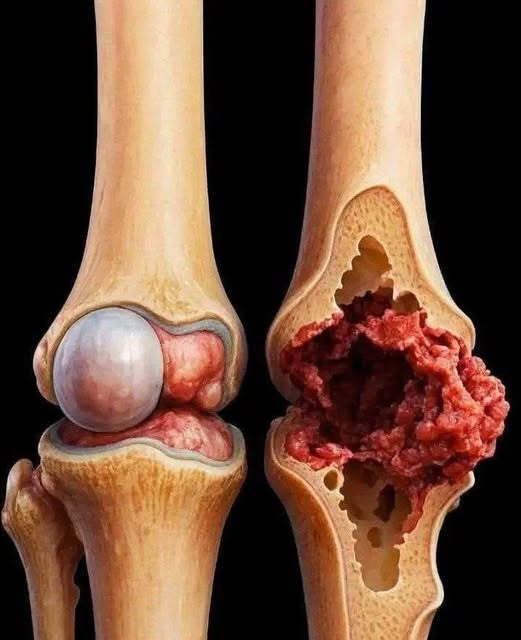
8 Fruits That Support Stronger Legs, Healthy Knees, and Collagen Production
Do your knees sometimes feel stiff after sitting for a long time? Are you looking for simple ways to support your muscles, bones, and joints as you get older?
The foods you eat can play an important role in maintaining healthy movement. Fruits provide vitamins, minerals, fiber, and antioxidants that help support normal body functions. Some are particularly rich in vitamin C, a nutrient your body needs to produce collagen, an important protein found in connective tissues, including tendons, ligaments, and cartilage. <Cite refs={["turn620274search2","turn620274search3"]}/>
However, no fruit can guarantee stronger knees or eliminate muscle weakness on its own. A balanced diet, adequate protein, regular physical activity, and appropriate medical care all contribute to healthy aging.
Here are eight nutritious fruits worth including in your diet.
1. Oranges
Oranges are well known for their vitamin C content. Vitamin C helps the body produce collagen and supports the normal maintenance of bones and connective tissues.
Oranges are also refreshing, easy to find, and convenient as a snack.
How to enjoy them: Eat a whole orange, add orange segments to a fruit salad, or pair them with yogurt and nuts for a more filling snack.
2. Kiwi
Kiwi is another excellent source of vitamin C. This nutrient is important for collagen formation and normal tissue repair. Kiwi also provides fiber and other beneficial plant compounds. <Cite refs={["turn620274search2","turn620274search3"]}/>
How to enjoy it: Slice kiwi over oatmeal, mix it into plain yogurt, or eat it fresh between meals.
3. Strawberries
Strawberries provide vitamin C and antioxidants that help protect cells from oxidative damage. They can be part of an overall healthy eating pattern that supports general health.
Although strawberries contain nutrients involved in normal tissue maintenance, eating them alone will not rebuild damaged cartilage or cure arthritis.
How to enjoy them: Add fresh strawberries to breakfast, blend them into a smoothie without added sugar, or combine them with other berries.
4. Pineapple
Pineapple contains vitamin C and provides a naturally sweet option for people who want to eat more fruit.
It is a useful addition to a varied diet, but claims that pineapple directly repairs knee cartilage or eliminates joint pain go beyond the available evidence.
How to enjoy it: Eat fresh pineapple, add small pieces to a fruit salad, or combine it with plain yogurt.
5. Papaya
Papaya provides vitamin C, fiber, and other nutrients. Including it in a varied diet helps contribute to your daily nutrient intake.
Getting enough vitamin C matters because the body cannot produce this vitamin on its own. However, extra papaya will not necessarily improve joint symptoms if you already get enough vitamin C from your diet. <Cite refs={["turn620274search2","turn620274search9"]}/>
How to enjoy it: Eat ripe papaya on its own or combine it with kiwi and berries for a colorful fruit bowl.
6. Mango
Mango supplies vitamin C along with other vitamins and plant compounds. It can help add variety to a balanced eating pattern that supports overall health.
Mango is naturally sweet, so people managing blood glucose levels may find it helpful to pay attention to portion sizes and follow their healthcare professional's dietary advice.
How to enjoy it: Add fresh mango to oatmeal, eat it as a snack, or combine it with plain yogurt.
7. Cantaloupe
Cantaloupe, also known as muskmelon, provides vitamin C, water, and other nutrients. Its high water content can help contribute to overall fluid intake.
Good hydration supports normal body function, while a varied diet supplies the nutrients needed for healthy muscles and connective tissues.
How to enjoy it: Serve chilled melon slices, add them to a fruit salad, or enjoy them alongside a source of protein such as yogurt.
8. Apples
Apples provide fiber and beneficial plant compounds. Although they are not among the richest fruits in vitamin C, they can still be part of a balanced diet that supports general health.
Apples do not directly strengthen the knees or provide a special supply of collagen. Their value comes from contributing to a varied, nutrient-rich eating pattern.
How to enjoy them: Eat an apple with its skin after washing it, pair apple slices with unsweetened nut butter, or chop them into oatmeal.
What Else Helps Keep Your Legs and Knees Strong?
Fruit is only one part of the picture. If your goal is to maintain mobility and reduce the risk of weakness, consider these habits.
Eat Enough Protein
Protein helps maintain and repair muscle tissue. Include suitable sources such as eggs, fish, poultry, dairy products, beans, lentils, tofu, or other protein-rich foods.
Older adults and people recovering from illness may have different nutritional needs, so individualized advice can be helpful.
Include Strength-Building Exercise
Appropriate strengthening exercises can help maintain the muscles that support the knees. Depending on your abilities, options may include chair exercises, gentle resistance training, or exercises recommended by a physiotherapist.
Start gradually and choose activities suited to your health and fitness level. If exercise causes significant pain, stop and seek professional guidance.
Get Enough Calcium and Vitamin D
Calcium and vitamin D are important for bone health. Depending on your diet and individual needs, sources may include dairy products, fortified foods, selected fish, and other calcium-rich foods.
Fruit alone does not provide all the nutrients needed for strong bones.
Maintain a Healthy Weight if Appropriate
For people carrying excess weight, gradual, sustainable weight management may reduce the load on the knees. A healthcare professional can help you choose an appropriate approach without extreme diets.
Avoid Ignoring Persistent Symptoms
Knee pain, leg weakness, and difficulty walking can have many causes, including arthritis, injury, nerve problems, medication effects, and other medical conditions. Diet alone cannot identify or treat the underlying cause.
Frequently Asked Questions
Which fruit contains collagen?
Fruits do not naturally provide meaningful amounts of collagen itself. However, fruits such as oranges, kiwi, strawberries, and papaya provide vitamin C, which the body needs to make collagen.
Can eating fruit eliminate knee pain?
No single fruit can reliably eliminate knee pain. A balanced diet may support general health, but persistent pain may require assessment and treatment based on its cause.
Can fruit make weak legs stronger?
Fruit supplies important nutrients, but improving muscle strength usually also requires adequate protein, appropriate physical activity, and attention to any underlying medical condition.
How many servings of fruit should I eat daily?
Needs vary depending on age, activity, health conditions, and overall diet. Aim for a variety of fruits and vegetables in portions appropriate for you, following any dietary advice from your healthcare professional.
When should I seek medical help for knee or leg weakness?
Arrange a medical assessment if weakness is persistent, worsening, or affecting your ability to walk. Seek urgent care if you suddenly cannot move or bear weight on a leg, develop severe swelling, or experience sudden weakness accompanied by difficulty speaking, facial drooping, or other neurological symptoms.
Final Thoughts
Oranges, kiwi, strawberries, pineapple, papaya, mango, cantaloupe, and apples can all fit into a healthy eating pattern that supports general well-being.
Vitamin C-rich fruits help supply a nutrient needed for collagen production, but healthy knees and strong legs depend on more than fruit alone. Adequate protein, strength-building activity, balanced nutrition, and appropriate medical care all matter.
Start with small, sustainable habits: enjoy a variety of whole fruits, stay active within your abilities, and speak with a healthcare professional if weakness or knee pain persists.
Medical Disclaimer
This article is for general educational purposes only and is not a substitute for professional medical advice, diagnosis, or treatment. Consult a qualified healthcare professional about persistent knee pain, muscle weakness, or changes in mobility.