Natural Ways to Support Joint Health and Mental Well-Being
Joint pain, muscle stiffness, fatigue, and emotional stress can affect everyday life. Many people look for natural ways to feel better, especially when discomfort makes it difficult to sleep, exercise, or enjoy their usual activities.
Although no single drink or home remedy has been proven to eliminate joint pain, repair damaged cartilage, and treat anxiety or depression at the same time, several evidence-informed lifestyle habits may help support joint health and emotional well-being.
Here is what you should know about natural approaches, how to use them safely, and when to seek medical advice.
Can a Morning Drink Relieve Joint Pain?
Drinking water in the morning is a simple way to maintain hydration after several hours of sleep. Staying hydrated supports normal body functions, but there is no strong evidence that drinking a specific amount of water each morning directly treats arthritis, nerve pain, or damaged cartilage.
Some drinks contain ingredients being studied for their potential health benefits. However, their effects depend on the ingredients, the amount consumed, and the condition being treated.
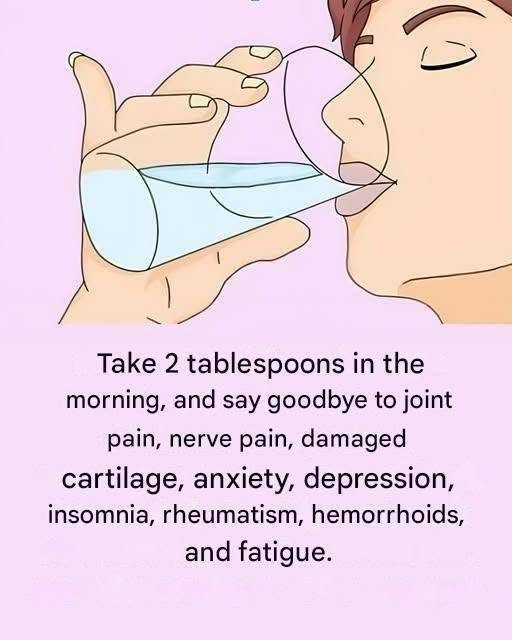
Be cautious of online claims promising that two tablespoons of an unidentified mixture will cure numerous unrelated conditions, including arthritis, depression, hemorrhoids, insomnia, and nerve pain. Such claims are not supported by reliable evidence.
1. Choose Foods That Support Joint Health
A balanced eating pattern can help support overall health and may be particularly beneficial for people living with inflammatory conditions.
Consider including:
Fatty fish: Salmon, sardines, and mackerel provide omega-3 fatty acids.
Colorful vegetables: Spinach, carrots, broccoli, and peppers provide vitamins, minerals, and other nutrients.
Fruit: Berries, oranges, and other fruits contribute fiber and beneficial plant compounds.
Nuts and seeds: Walnuts, chia seeds, and flaxseeds provide healthy fats.
Whole grains and legumes: Oats, lentils, and beans provide fiber and important nutrients.
No single food can rebuild damaged cartilage. However, a nutritious diet can help maintain a healthy weight, support normal body functions, and contribute to long-term well-being.
2. Try Gentle Movement to Reduce Stiffness
When joints hurt, avoiding movement completely may seem appealing. However, appropriate physical activity can help maintain mobility, muscle strength, and everyday function.
Depending on your abilities and medical condition, useful options may include:
Walking at a comfortable pace
Swimming or exercising in water
Gentle stretching
Tai chi
Low-impact strengthening exercises
Start slowly and increase activity gradually. If an exercise causes significant or lasting pain, stop and seek advice from a qualified healthcare professional.
People with severe joint disease, recent injuries, or significant mobility limitations may need a personalized exercise plan.
3. Consider Warmth or Cold for Temporary Relief
Heat and cold can sometimes help manage discomfort, although the best option depends on the cause of the pain.
Warm compresses may help ease stiffness and relax tight muscles.
Cold packs may help reduce discomfort and swelling after certain injuries or during a flare-up.
Wrap a cold pack in a towel rather than applying ice directly to your skin. Avoid extreme temperatures, particularly if you have reduced sensation or circulation problems.
These approaches may provide temporary symptom relief, but they do not repair damaged cartilage or treat the underlying cause of arthritis.
4. Support Your Mental Health Through Daily Habits
Chronic pain and mental health can influence each other. Persistent discomfort may interfere with sleep, reduce physical activity, and increase stress. At the same time, anxiety and depression can make it harder to cope with pain.
Helpful daily habits include:
Maintaining a consistent sleep schedule
Spending time outdoors when possible
Staying connected with friends and family
Practicing relaxation or mindfulness exercises
Taking part in enjoyable activities
Seeking professional support when emotional symptoms persist
Mindfulness-based approaches and cognitive behavioral therapy may help some people manage chronic pain and its emotional effects. They can complement appropriate medical care but are not substitutes for treatment when depression or anxiety is significant.
5. Understand the Role of Supplements and Herbal Remedies
Certain supplements and plant-based products are marketed for joint pain and inflammation. However, evidence varies considerably between products, and many have not been studied well enough to establish their effectiveness.
Keep these precautions in mind:
Natural products can cause side effects.
Supplements may interact with prescription medicines.
More is not always better; high doses can be harmful.
Some products marketed for pain relief have been found to contain undeclared prescription ingredients.
Supplements should not replace prescribed treatment without medical advice.
If you are considering a supplement, ask your doctor or pharmacist whether it is appropriate for your health needs and current medications.
Can Natural Remedies Repair Damaged Cartilage?
Currently, there is no proven home drink or simple natural remedy that reliably restores severely damaged joint cartilage.
Cartilage damage can result from osteoarthritis, injuries, or other medical conditions. Treatment depends on the cause and severity and may include exercise, physical therapy, weight management when appropriate, medication, or specialist treatment.
A healthcare professional can help identify the source of the pain and recommend suitable options.
When Should You See a Doctor?
Do not rely on home remedies alone if you have persistent or worsening symptoms.
Arrange a medical assessment if you experience:
Joint pain that continues or repeatedly returns
Swelling or stiffness that affects daily activities
Numbness, tingling, or burning nerve pain
Persistent fatigue or unexplained weakness
Ongoing anxiety, low mood, or sleep problems
Seek urgent medical care for a suddenly hot, red, swollen joint accompanied by fever, severe unexplained pain, or a joint that becomes difficult to move after an injury. These symptoms may require prompt evaluation.
Frequently Asked Questions
What is the best morning drink for joint health?
Water is a sensible choice for hydration. There is no single morning drink proven to cure arthritis, regenerate cartilage, or treat nerve pain and depression.
Can natural remedies help with arthritis?
Some lifestyle approaches, including appropriate exercise, physical therapy, and a balanced diet, can help people manage symptoms and maintain function. The most effective plan depends on the type of arthritis and the individual's health.
Can food improve mood and mental health?
A balanced diet supports general health, but food alone is not a guaranteed treatment for depression or anxiety. Persistent emotional symptoms deserve proper assessment and support.
Is it safe to take two tablespoons of a homemade remedy every morning?
That depends entirely on its ingredients, concentration, and your health. Because the mixture shown in the original image is not identified, its safety and recommended amount cannot be determined. Do not consume an unknown mixture based on a social media claim.
Final Thoughts
Natural approaches can play a valuable role in supporting joint health and emotional well-being. Staying hydrated, eating a balanced diet, moving regularly, getting enough sleep, and managing stress are practical places to start.
However, no unidentified morning drink should be presented as a cure for joint pain, damaged cartilage, nerve pain, anxiety, depression, or multiple other medical conditions. If symptoms persist, finding the underlying cause is the most important step toward effective treatment.
Medical disclaimer: This article is for educational purposes only and is not a substitute for professional medical advice, diagnosis, or treatment. Consult a qualified healthcare professional before starting supplements or changing prescribed medication.