5 Drinks That May Harm Your Bone Health, According to Health Experts
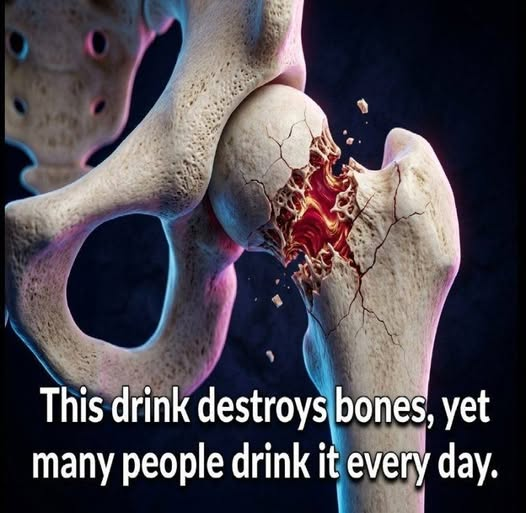
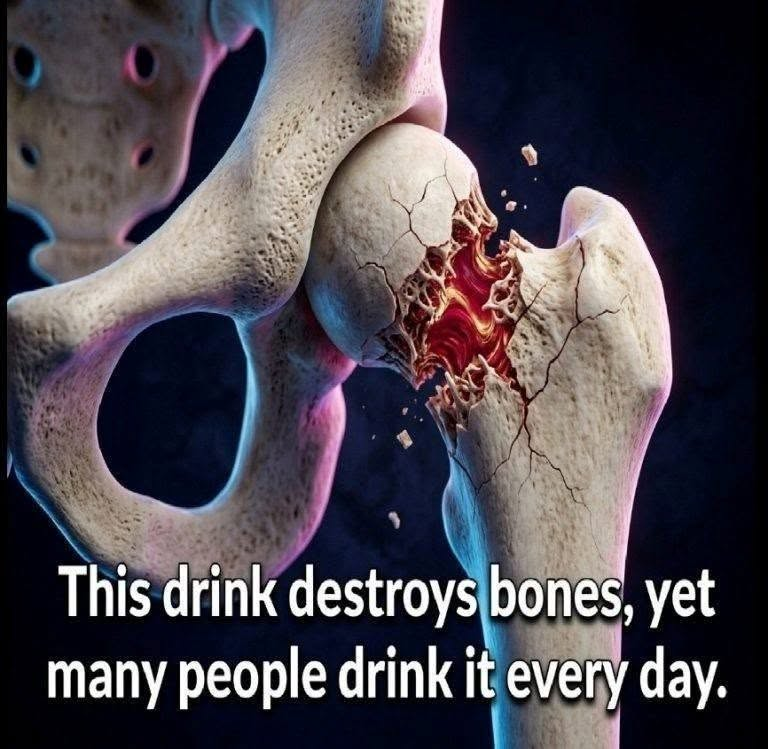
What you drink every day could affect your bones more than you realize. While most people focus on calcium-rich foods and exercise to maintain strong bones, certain beverages may contribute to poor bone health when consumed excessively or when they replace more nutritious options.
Your bones are living tissues that constantly rebuild themselves. As you age, maintaining bone strength becomes especially important because bone density can gradually decline, increasing the risk of osteoporosis and fractures.
But which drinks deserve the most attention? Here are five beverages worth limiting, along with what the science actually says.
1. Excessive Alcohol: A Well-Established Risk to Bone Health
Heavy, long-term alcohol consumption is one of the clearest beverage-related risks to bone health.
Drinking too much alcohol can interfere with normal bone remodeling, contribute to nutritional deficiencies, increase the likelihood of falls, and raise the risk of fractures.
Why it matters
Chronic heavy drinking can weaken bone structure over time.
Alcohol may interfere with the body's ability to maintain healthy bone tissue.
Intoxication increases the risk of falls and injuries.
A healthier choice: Reduce alcohol consumption, and consider alcohol-free alternatives such as sparkling water with lemon or unsweetened herbal tea.
2. Sugary Soft Drinks: A Concern When They Replace Nutritious Beverages
Regular soda often contains substantial added sugar but provides little nutritional value.
Some studies have found associations between frequent soft-drink consumption and poorer bone outcomes, although the evidence does not establish that all sodas directly cause osteoporosis.
One important concern is displacement: people who regularly choose soda instead of milk or fortified alternatives may consume less calcium and other nutrients important for bone health.
What about cola?
Cola drinks contain phosphoric acid, which has been studied for a possible relationship with bone mineral density. However, research findings are mixed, and normal dietary phosphorus is not inherently harmful to healthy bones.
A healthier choice: Water, milk, or unsweetened calcium-fortified plant-based beverages.
3. Energy Drinks: Too Much Caffeine and Added Sugar
Energy drinks can contain high amounts of caffeine, added sugar, and other stimulants.
Excessive caffeine intake may slightly increase calcium loss through urine and can become more concerning when a person's calcium intake is already inadequate.
Energy drinks may also disrupt sleep, which can indirectly affect overall health and physical well-being.
Who should be particularly careful?
Adolescents, pregnant individuals, people sensitive to caffeine, and those with certain heart conditions should be especially cautious about energy drinks.
A healthier choice: Water, naturally flavored sparkling water, or other low-sugar, low-caffeine beverages.
4. Excessively Sweetened Coffee Drinks
Coffee itself is not automatically bad for your bones. Moderate coffee consumption can fit into a healthy diet.
The bigger concern is consuming very large amounts of caffeine, especially alongside inadequate calcium intake.
Oversized coffee beverages loaded with syrups, whipped cream, and sugar can also add significant calories without supplying many bone-supporting nutrients.
Does caffeine cause osteoporosis?
The relationship is more complicated than that. Caffeine can modestly affect calcium balance, but adequate calcium intake may help offset this effect. Research does not support the claim that an occasional cup of coffee destroys bones.
A healthier choice: Enjoy coffee in moderation, reduce added sugar, and make sure your overall diet provides enough calcium.
5. Sugary Fruit Drinks and Sweetened Teas
Fruit punches, sweetened bottled teas, and fruit-flavored drinks can contain as much added sugar as some soft drinks.
These beverages are not proven to directly weaken bones. Their main disadvantage is that they can contribute to excessive sugar consumption while replacing drinks that offer calcium, vitamin D, or other useful nutrients.
Also, fruit-flavored drinks are not necessarily equivalent to 100% fruit juice, and whole fruit is generally a better everyday choice.
A healthier choice: Unsweetened tea, plain water with fruit slices, or milk and fortified alternatives when appropriate.
What Should You Drink for Stronger Bones?
Rather than worrying about one particular beverage, focus on a balanced daily routine.
Water
Water supports hydration and normal body function without added sugar.
Milk
Milk naturally provides calcium and protein, and some varieties are fortified with vitamin D.
Fortified Plant-Based Milk
Fortified soy and other plant-based drinks can provide calcium and vitamin D, although their protein and nutrient contents vary. Check the nutrition label.
Unsweetened Tea
Unsweetened tea can be a practical alternative to sugary beverages. Moderate tea consumption is not generally considered harmful to bone health.
Other Habits That Help Protect Your Bones
Beverages are only one part of the picture. Bone strength also depends on nutrition, physical activity, age, hormonal changes, medications, and medical conditions.
Consider these habits:
Get enough calcium: Include dairy foods, calcium-set tofu, fortified alternatives, and other calcium-rich foods.
Maintain adequate vitamin D: Vitamin D helps your body absorb calcium.
Do weight-bearing exercise: Walking, stair climbing, and appropriate resistance training support bone health.
Avoid smoking: Smoking is associated with reduced bone health.
Prevent falls: Balance training and safer home environments can reduce fracture risk.
Ask about screening: Adults with significant risk factors may benefit from a bone-density assessment.
Frequently Asked Questions
Can drinking soda every day cause osteoporosis?
Regular soda consumption alone has not been proven to cause osteoporosis. However, drinking large amounts of soda instead of nutrient-rich beverages may contribute to a diet lacking important bone-supporting nutrients.
Is coffee bad for bones after age 60?
Not necessarily. Many older adults can enjoy moderate coffee consumption. Adequate calcium and vitamin D intake, along with appropriate physical activity, are more important considerations.
What is the worst drink for bone health?
Chronic heavy alcohol consumption has particularly strong evidence linking it to poor bone health and fracture risk. No single drink determines whether someone will develop osteoporosis.
Can weak bones become strong again?
Bone health can often be improved or protected through exercise, adequate nutrition, fall prevention, and, when needed, medical treatment. People with osteoporosis should discuss individualized treatment with a healthcare professional.
How do I know if my bones are weak?
Osteoporosis often has no noticeable symptoms until a fracture occurs. A bone-density test, commonly called a DXA scan, can help assess bone strength in people who meet screening criteria.
Final Thoughts
The idea that one everyday drink instantly destroys your bones is misleading. Bone loss usually develops gradually and is influenced by multiple factors.
Of the beverages discussed, heavy alcohol use has the clearest established link to bone damage. Sugary drinks, energy drinks, and excessive caffeine are more nuanced concerns, particularly when they contribute to poor nutrition or replace calcium-rich choices.
Protecting your bones starts with consistent habits: balanced nutrition, regular movement, adequate calcium and vitamin D, and appropriate medical care.
Disclaimer: This article is for educational purposes only and does not replace professional medical advice. Consult a qualified healthcare professional if you have osteoporosis, a history of fractures, or concerns about bone loss.