What Your Sleeping Position May Reveal About Your Personality
Have you ever wondered whether the way you sleep says something about your personality? Some people stretch out across the bed, others curl up into a ball, and some prefer to sleep neatly on their backs with their arms at their sides.
Sleeping positions can be interesting to observe, and they may reflect personal comfort, habits, or physical needs. However, there is no strong scientific evidence that a particular sleeping position can reliably reveal whether someone is lazy, confident, shy, or independent.
Still, let's explore eight common sleeping positions, the personality traits people sometimes associate with them, and what these positions may mean for comfort and sleep.
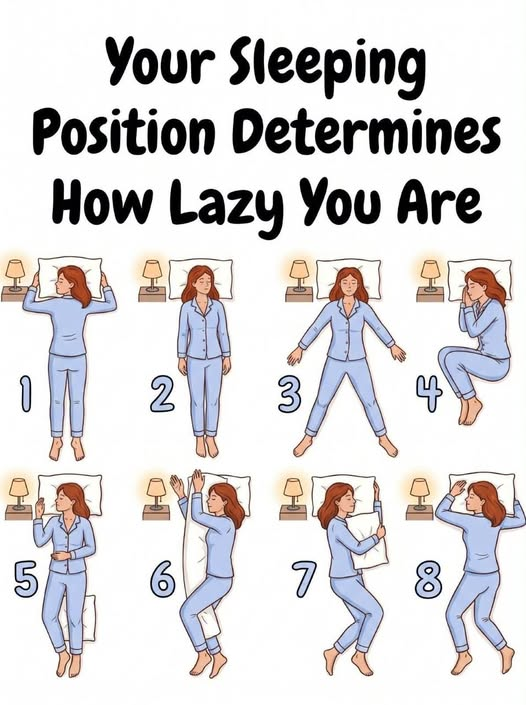
1. Sleeping With Your Arms Above Your Head
People who sleep with their arms raised or resting near their heads may simply find this position comfortable.
In popular personality interpretations, this position is sometimes associated with openness, relaxation, or a desire for freedom. However, sleeping with your arms overhead does not establish any particular personality trait.
From a physical perspective, keeping your arms raised for long periods may cause shoulder discomfort or numbness in some people.
A useful tip: If you wake up with shoulder pain or tingling in your hands, try adjusting your arm position and pillow support.
2. Sleeping Straight on Your Back
Sleeping on your back with your arms alongside your body is often portrayed as a neat, organized sleeping style.
Some popular interpretations associate it with discipline, calmness, or a preference for structure. In reality, your sleeping posture cannot tell someone whether you are organized or dependable.
Sleeping on your back can help some people maintain a neutral spinal position, but it may worsen snoring or obstructive sleep apnea in others.
If you regularly snore loudly, wake up gasping, or feel excessively sleepy during the day, speak with a healthcare professional.
3. Sleeping With Your Arms and Legs Spread Out
Some people sleep with their arms and legs extended, taking up more space in bed.
In informal personality descriptions, this position is sometimes linked to comfort, confidence, or a preference for personal space. These associations are entertaining rather than scientifically established.
The position itself may simply reflect how someone distributes their weight or avoids pressure on particular parts of the body.
What matters most: You should feel comfortable and wake up reasonably refreshed, regardless of how much space you use.
4. Sleeping Curled Up on Your Side
Curling up with your knees drawn toward your chest is a common sleeping position.
Popular interpretations sometimes associate this posture with sensitivity, a preference for comfort, or a desire to feel secure. However, there is no reliable evidence that people who curl up are more emotional, shy, or vulnerable than others.
From a comfort perspective, side sleeping can be helpful for some people, including those who experience snoring or acid reflux.
Try keeping your knees slightly bent rather than tightly curled if you experience stiffness in your back or hips.
5. Sleeping on Your Side With Your Arms Close to Your Body
Some people prefer to sleep on their side with their arms resting close to their torso and their legs relatively straight.
In popular descriptions, this posture is sometimes associated with practicality, calmness, or a preference for routine. These claims should not be treated as psychological facts.
Side sleeping can be comfortable for many people, although pressure on the shoulder or hip may cause discomfort if the mattress or pillow does not provide suitable support.
A pillow that keeps your head and neck aligned with your spine may help improve comfort.
6. Sleeping With Your Arms Raised and Knees Bent
Another common position involves raising the arms while bending one or both knees.
Some informal interpretations describe this posture as relaxed or spontaneous, but there is no scientific basis for assigning a personality type to it.
People often change positions throughout the night without realizing it. Your posture may also be influenced by temperature, mattress firmness, joint comfort, or habitual movement.
If you wake with tingling, numbness, or pain, experiment with a more comfortable position and seek medical advice if the symptoms persist.
7. Sleeping While Hugging a Pillow
Many people sleep while holding a pillow against their chest or stomach.
Popular interpretations sometimes connect this habit with a desire for comfort, closeness, or emotional reassurance. However, hugging a pillow is not evidence that someone is lonely, dependent, or especially sensitive.
There are also practical reasons for this position. A pillow held between the arms may reduce pressure on the shoulders, while one placed between the knees can help some side sleepers feel more comfortable.
If this position helps you relax and sleep well, there is generally no reason to change it.
8. Sleeping With One Arm Above Your Head
Some people rest one arm near or above their head while sleeping on their side or partly on their stomach.
In popular personality descriptions, this position may be associated with independence or a relaxed attitude. These are unverified interpretations, not conclusions supported by sleep science.
The position may simply be a familiar habit. However, keeping an arm overhead or underneath the body can sometimes compress nerves and contribute to pins and needles.
If you repeatedly wake with numbness or weakness, consider changing your arm position and discussing persistent symptoms with a healthcare professional.
Does Your Sleeping Position Really Reveal Your Personality?
Although personality quizzes about sleeping positions can be fun, researchers have not established a reliable connection between these eight positions and specific personality traits.
Your posture during sleep is more likely to be influenced by factors such as:
Physical comfort and habitual movement.
Mattress and pillow support.
Temperature and bedding.
Pain, stiffness, or other medical conditions.
Snoring, breathing difficulties, or acid reflux.
Pregnancy and other changes in the body.
It is also normal to move between several positions during the night. The position you start in may not be the position you maintain while sleeping.
Which Sleeping Position Is Best for You?
There is no single best position for everyone. Your ideal posture depends on your health, comfort, and individual needs.
Side sleeping: May help reduce snoring and can be useful for people with certain breathing or reflux problems.
Back sleeping: May support a neutral spinal position for some people, but can worsen snoring and sleep apnea.
Stomach sleeping: May feel comfortable for some people but can place additional strain on the neck.
Pillow-supported sleeping: A pillow between the knees or under an arm may improve comfort for some side sleepers.
If you have persistent neck pain, back pain, loud snoring, or disrupted sleep, a healthcare professional can help you identify possible causes.
Final Thoughts
Whether you sleep stretched out, curled up, or hugging a pillow, your sleeping position may reflect your personal habits and what feels comfortable to your body.
It does not reliably determine whether you are lazy, confident, shy, or affectionate. Personality is much more complex than the way you arrange your arms and legs at night.
Now it's your turn: Which of the eight sleeping positions looks most like yours? Share your number in the comments!
Disclaimer: This article is for general informational and entertainment purposes. Personality descriptions associated with sleeping positions are not scientifically validated psychological assessments.