Sofa Mystery: I Found These Tiny Bugs and White Eggs in My Couch — Could They Be Bed Bugs?
Finding tiny brown insects and clusters of white, egg-like objects hidden in your sofa can be alarming. Upholstered furniture has many small seams and crevices where insects can hide, making it difficult to identify an unexpected discovery at first glance.
If you have noticed something similar in your couch, you may be wondering whether you are dealing with bed bugs, another household pest, or something entirely different.
Here is how to recognize the warning signs, inspect your furniture, and decide what to do next.
What Are the Bugs in the Sofa Picture?
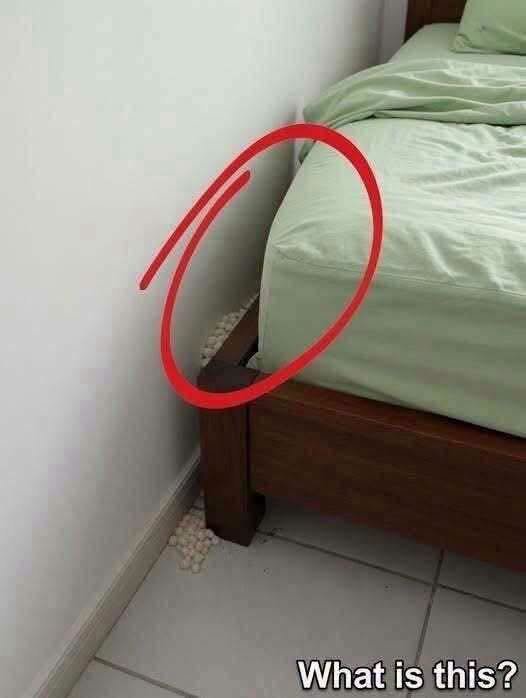
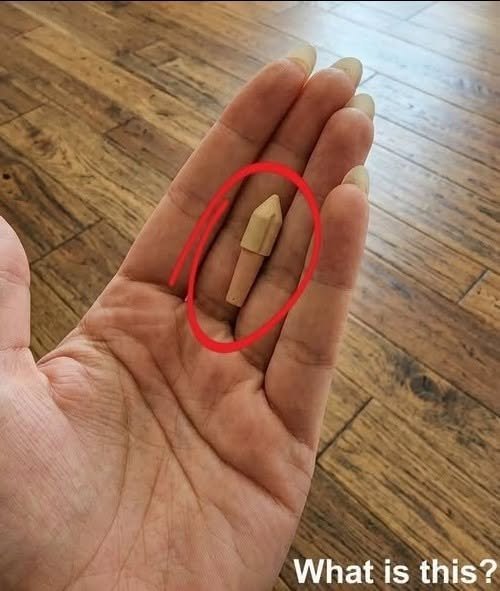
The insects shown in the photograph have a reddish-brown appearance, and the pale objects nearby resemble tiny eggs. These features are consistent with some signs of a possible bed bug infestation, but a photograph alone is not enough to confirm the species.
Bed bugs are small, flat, oval-shaped insects. Adults are usually reddish-brown and approximately the size of an apple seed. Younger bed bugs are smaller and often pale or translucent, while their eggs are tiny, pearl-white, and approximately 1 millimeter long.
Bed bugs can hide in sofa seams, underneath cushions, around buttons, and inside narrow cracks in upholstered furniture. Other insects can also occupy these spaces, so accurate identification matters before choosing a treatment.
5 Signs That Could Indicate Bed Bugs
1. Small Reddish-Brown Insects
Adult bed bugs have flattened, oval bodies and are typically reddish-brown. Their appearance can change after feeding, when their bodies become more elongated and swollen.
If you find several similar insects gathered in a sofa seam, collect a specimen safely for identification rather than assuming every small brown insect is a bed bug.
2. Tiny White Eggs
Bed bug eggs are very small, pale, and often attached to surfaces in protected hiding places.
The white objects in the photograph look egg-like, but their identity cannot be established from appearance alone. Some household debris, other insect eggs, or unrelated materials may look similar in a close-up image.
3. Dark Spots on Fabric
Small dark or blackish spots on sofa seams, cushion covers, or nearby bedding may be bed bug droppings.
These marks can sometimes soak into fabric and resemble ink stains. However, dirt, mold, and other materials can produce similar marks, so look for several signs together.
4. Shed Insect Skins
As bed bugs grow, they shed their outer skins. These cast skins may appear pale, translucent, or insect-shaped and can accumulate in places where the bugs hide.
Finding suspected shed skins alongside live insects, eggs, or dark spotting increases the reason to investigate further.
5. Unexplained Itchy Bites
Some people develop itchy red marks after bed bug bites, while others have little or no visible reaction.
Bites alone cannot confirm an infestation because mosquitoes, fleas, and other causes can produce similar skin reactions. Inspecting the furniture for physical evidence is more useful than relying on skin marks alone.
Where Should You Check for Bed Bugs?
If you discover suspicious insects in your sofa, inspect nearby hiding places carefully.
Check:
Along sofa seams and piping.
Beneath removable cushions.
Around buttons, folds, and fabric labels.
Inside narrow cracks in the furniture frame.
Under the sofa and around its legs.
Along mattress seams and the bed frame in nearby sleeping areas.
Around baseboards and other cracks close to the sofa.
Use a flashlight and, if available, a magnifying glass. Bed bugs can hide in very small spaces, so inspect slowly rather than disturbing the furniture excessively.
What Should You Do If You Find Them?
Step 1: Avoid Moving the Sofa Around
Do not carry potentially infested furniture into another room or place it outside and then bring it back inside. Moving it unnecessarily may spread insects to other areas.
Step 2: Collect a Specimen Safely
If possible, capture one insect in a sealed container or clear bag. You can also photograph it closely from above and from the side.
A pest-control professional or qualified insect-identification service may be able to determine what it is.
Step 3: Vacuum Carefully
If bed bugs are suspected, vacuum accessible seams and crevices carefully. Seal and dispose of the vacuum contents promptly in an outdoor waste container, following the vacuum manufacturer's instructions.
Vacuuming alone is not a reliable way to eliminate an established infestation.
Step 4: Wash Suitable Removable Fabrics
If the fabric care label allows it, launder removable covers and nearby washable textiles. A clothes dryer on a suitable high-heat setting can help kill bed bugs and their eggs when the items reach the required temperature for the appropriate duration.
Avoid damaging delicate fabrics by ignoring their care instructions.
Step 5: Consider Professional Treatment
If you confirm bed bugs or find repeated evidence, contact a qualified pest-control professional. Effective control often requires a combination of inspection, monitoring, heat or other appropriate treatments, and follow-up.
Do not spray random household chemicals on your sofa or use outdoor pesticides indoors. Foggers should not be relied upon as the sole treatment, and improper use can create health and fire hazards.
Are Bed Bugs a Sign of a Dirty Home?
No. Bed bugs are not attracted to dirt in the way many people assume. They are attracted primarily to hosts and can enter homes through luggage, clothing, used furniture, and other transported items.
Finding them does not mean your home is dirty. The important thing is to identify the insect correctly and act promptly if an infestation is confirmed.
Frequently Asked Questions
Can bed bugs live inside a sofa?
Yes. Bed bugs can hide in the seams, folds, cushion gaps, and structural cracks of upholstered furniture, especially when people rest or sleep nearby.
Are the white dots in the photograph definitely bed bug eggs?
No. They resemble small pale eggs, but a photograph cannot confirm their identity. Bed bug eggs are typically tiny, pearl-white, and attached to protected surfaces.
Should I throw away my sofa if I find bed bugs?
Not necessarily. Many infestations can be treated without discarding furniture. Throwing a sofa away may spread insects during transport, so seek identification and treatment advice first.
Can I eliminate bed bugs with ordinary insect spray?
Not reliably. Some products may be ineffective or unsafe when used incorrectly. Use only products labeled for the intended indoor use and follow the instructions, or hire a qualified pest-control professional.
Do bed bug bites always appear on the skin?
No. Some people react strongly to bites, while others show little or no visible reaction. The absence of bites does not rule out an infestation.
Final Thoughts
Discovering tiny brown insects and white, egg-like objects in a sofa seam is a good reason to investigate, but it is too early to identify the insects with certainty from a photograph alone.
Look for multiple signs, inspect nearby furniture, and arrange professional identification if you find live insects or repeated evidence. Early, accurate identification can help prevent unnecessary worry and ensure that the correct treatment is used.
Important note: This article is for educational purposes. If you suspect an infestation, confirm the insect's identity before applying pesticides or discarding furniture.