7 Warning Signs That Your Heart May Be in Serious Danger
Heart problems do not always begin with dramatic chest pain. Sometimes, the warning signs are mild, unusual, or easy to mistake for indigestion, exhaustion, or stress.
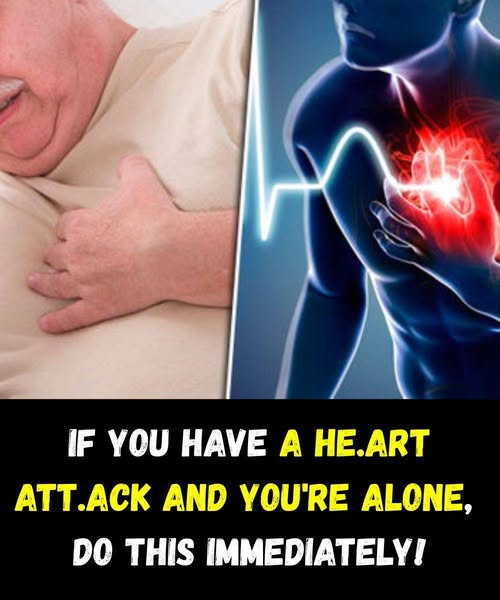
Recognizing the symptoms of a heart attack can help you seek medical care quickly. Although not every symptom means something is wrong with the heart, certain warning signs should never be ignored.
Important: If you or someone nearby may be having a heart attack, seek emergency medical help immediately. Do not wait for all the symptoms to appear.
1. Chest Pain, Pressure, or Tightness
Chest discomfort is one of the best-known warning signs of a heart attack.
It may feel like:
Pressure, squeezing, or heaviness in the chest.
Tightness or fullness behind the breastbone.
Pain or discomfort that lasts several minutes or disappears and returns.
Not everyone experiences severe pain. Some people describe the sensation as mild discomfort or pressure rather than sharp pain.
New, unexplained chest discomfort—especially when accompanied by other symptoms—requires urgent attention.
2. Shortness of Breath
Feeling unusually breathless can be another warning sign of a heart problem.
You may experience difficulty breathing while walking, performing routine activities, or even resting. Shortness of breath can occur with chest discomfort or without it.
Although breathing difficulties have many possible causes, sudden or severe breathlessness should be treated as a medical emergency.
3. Pain That Spreads to Other Parts of the Body
During a heart attack, discomfort may extend beyond the chest.
Possible locations include:
One or both arms.
The shoulders.
The neck or jaw.
The back.
The upper abdomen.
Some people mistake these symptoms for muscle strain, dental problems, or digestive discomfort. However, unexplained pain in these areas, particularly when accompanied by chest pressure, sweating, or breathlessness, may indicate a heart attack.
4. Cold Sweats Without an Obvious Reason
Breaking out in a cold sweat without exercise, hot weather, or another clear explanation can be a warning sign, especially when it occurs with chest discomfort, nausea, or shortness of breath.
A cold sweat alone does not prove that a heart problem is present. However, a sudden combination of these symptoms should not be dismissed.
5. Nausea, Vomiting, or Indigestion-Like Discomfort
Some heart attacks cause nausea, vomiting, or discomfort that resembles indigestion.
A person may feel unusually sick, experience discomfort in the upper stomach, or have a sensation that seems unrelated to the chest.
These symptoms can be particularly easy to overlook because digestive problems are common. If they begin suddenly alongside sweating, breathlessness, chest discomfort, or pain in the jaw or arm, seek emergency medical care.
6. Dizziness, Lightheadedness, or Fainting
Feeling faint or suddenly lightheaded can sometimes occur when the heart is not pumping blood effectively or when an abnormal heart rhythm develops.
Possible warning symptoms include:
Sudden lightheadedness.
Feeling as though you might faint.
Unexplained fainting.
Dizziness accompanied by chest discomfort or difficulty breathing.
These symptoms have several possible causes, including dehydration and medication effects. Nevertheless, sudden fainting or dizziness with other cardiac warning signs requires urgent assessment.
7. Unusual Fatigue or a Rapid, Irregular Heartbeat
Unexplained tiredness or weakness can sometimes accompany heart problems. Some people also experience a racing, pounding, or irregular heartbeat.
Pay attention when fatigue is unusual for you, develops suddenly, or occurs with breathlessness, chest discomfort, nausea, or dizziness.
An irregular heartbeat does not automatically mean a heart attack is occurring, but a new abnormal rhythm accompanied by chest pain, fainting, or severe breathing difficulties requires emergency medical attention.
What About Unusual Foot Odor or Changes in the Feet?
The image accompanying this article suggests a connection between foot odor and a “dying heart.” However, ordinary foot odor is not a recognized warning sign of a heart attack.
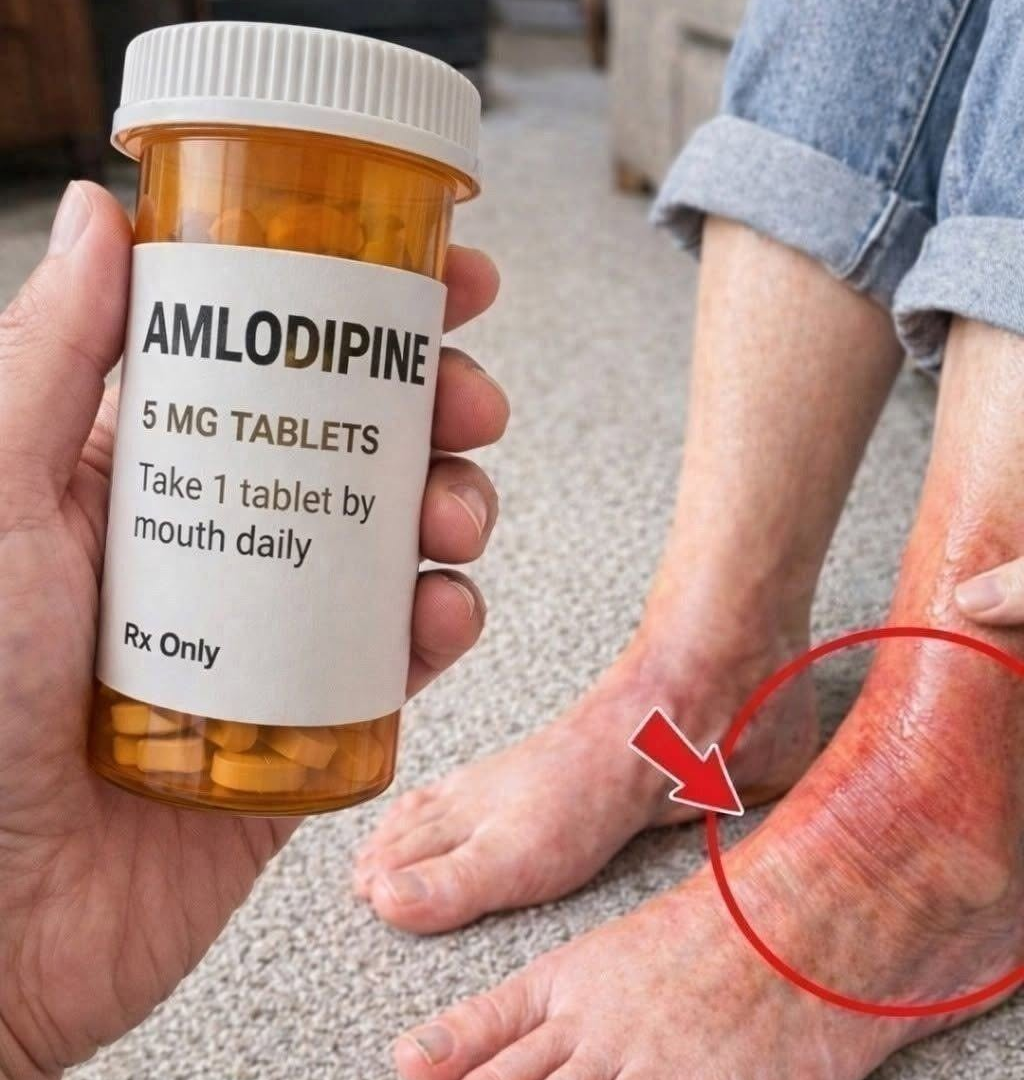
Foot odor is commonly related to sweat, bacteria, footwear, or fungal infections. Other foot symptoms, such as swelling or color changes, can have different causes and may sometimes be associated with circulation or other health problems.
Seek medical advice for persistent or unexplained swelling, wounds that do not heal, or significant changes in foot color or temperature. Sudden severe pain, a cold or pale foot, or other abrupt changes require urgent assessment.
Do not diagnose heart disease based on foot odor alone.
When Should You Get Emergency Help?
Seek emergency medical assistance if you experience symptoms that could indicate a heart attack, particularly:
Chest pressure or discomfort that lasts several minutes or returns.
Pain or discomfort spreading to the arm, jaw, back, or upper abdomen.
Sudden shortness of breath.
Cold sweats accompanied by nausea or chest discomfort.
Fainting or severe dizziness with other concerning symptoms.
Heart attacks can begin gradually, and symptoms may come and go. Do not wait for them to become severe or for every warning sign to appear.
Call your local emergency medical service and follow the dispatcher's instructions. Do not drive yourself to the hospital if you suspect a heart attack.
Although not all heart problems can be prevented, several habits can help reduce cardiovascular risk:
Monitor blood pressure and cholesterol. Regular checks can help identify risk factors before symptoms develop.
Avoid smoking. Smoking increases the risk of cardiovascular disease.
Stay physically active. Choose activities suitable for your health and fitness level.
Eat a balanced diet. Include vegetables, fruit, whole grains, beans, and other nutritious foods while limiting excessive salt and highly processed foods.
Manage diabetes if you have it. Follow your treatment plan and attend recommended checkups.
Take prescribed medicines as directed. Do not stop heart or blood-pressure medication without professional advice.
Attend routine health appointments. A healthcare professional can help assess your individual risk and recommend appropriate preventive measures.
Frequently Asked Questions
Can a heart attack happen without chest pain?
Yes. Although chest discomfort is common, some people experience symptoms such as shortness of breath, nausea, unusual fatigue, or discomfort in the back, jaw, or arms. Symptoms vary between individuals.
Is a racing heartbeat always a sign of heart disease?
No. A racing heartbeat can occur with exercise, anxiety, fever, dehydration, or other conditions. However, a new or persistent abnormal heartbeat—especially with chest pain, breathlessness, or fainting—needs medical assessment.
Does foot odor mean that the heart is in danger?
No. Foot odor by itself is not an established sign of a heart attack. Persistent foot symptoms should be assessed according to their nature and severity rather than automatically attributed to heart disease.
Can heart disease develop without obvious symptoms?
Yes. Some cardiovascular conditions may remain unnoticed for a long time. Regular health checks can help identify risk factors such as high blood pressure and elevated cholesterol.
Final Thoughts
Recognizing heart attack warning signs can make a critical difference. Chest discomfort, shortness of breath, pain spreading to the upper body, cold sweats, nausea, dizziness, and unusual fatigue can all be important symptoms.
These signs do not always indicate a heart attack, but potentially serious symptoms deserve prompt medical attention.
Remember: Do not rely on foot odor or any single unusual symptom to judge your heart health. Learn the recognized warning signs, know your risk factors, and seek emergency help when symptoms suggest a heart attack.
Medical disclaimer: This article is for educational purposes only and is not a substitute for professional medical advice, diagnosis, or treatment.