What to Do If You Have a Heart Attack While Alone: 3 Important Actions
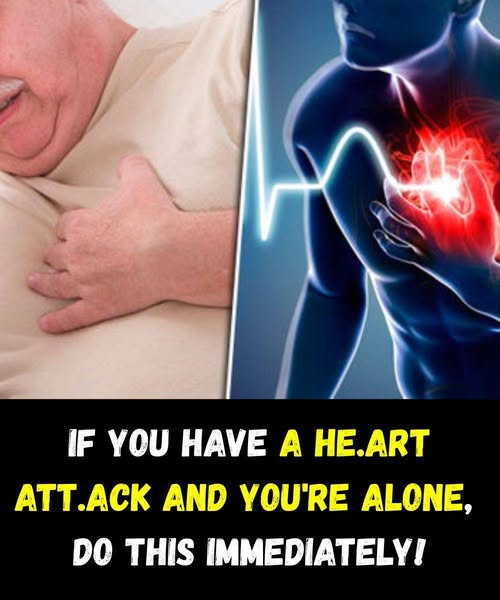
Experiencing possible heart attack symptoms when you are home alone can be frightening. Knowing what to do in those first moments may help you get lifesaving treatment sooner.
A heart attack happens when blood flow to part of the heart muscle becomes blocked. Symptoms can begin suddenly or develop gradually, and they do not always feel the same for everyone.
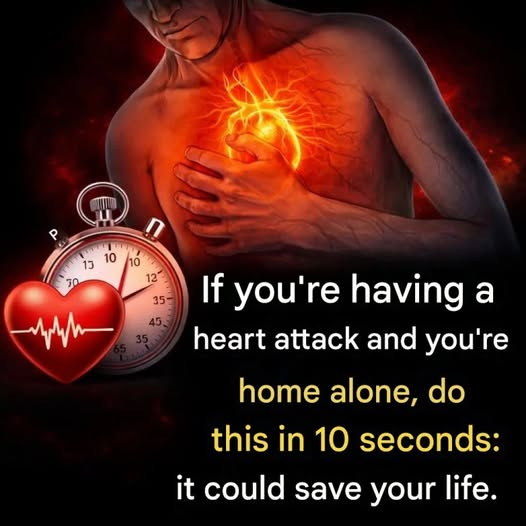
If you suspect you are having a heart attack, call your local emergency number immediately. Do not wait for symptoms to become severe. Here are three important actions to remember if you are alone.
1. Call Emergency Services Immediately
This is the most important step.
Call your local emergency number if you experience symptoms such as:
Pressure, squeezing, tightness, or pain in your chest.
Pain or discomfort spreading to your arm, back, neck, jaw, or upper abdomen.
Shortness of breath.
Cold sweating, nausea, or sudden lightheadedness.
Unusual weakness or unexplained discomfort that makes you suspect a heart problem.
You do not need to be certain that you are having a heart attack before asking for emergency help. Emergency professionals can assess your symptoms and guide you.
Tell the dispatcher that you may be having a heart attack, explain your symptoms, and give your location as clearly as possible. Follow their instructions.
Do not drive yourself to the hospital. Your condition could worsen while driving, and emergency medical personnel may begin treatment before you reach the hospital.
2. Stop What You Are Doing and Rest
While waiting for emergency help, stop physical activity and sit in a comfortable, supported position.
Try to remain as calm as possible, avoid unnecessary movement, and keep your phone nearby. If speaking becomes difficult, follow the emergency dispatcher's instructions.
If it is safe and practical, make it easier for responders to reach you. For example, you might unlock the door if doing so does not require dangerous exertion or leave you in an unsafe situation.
If you have prescribed emergency medication for a diagnosed heart condition, use it only as directed by your healthcare professional.
An emergency dispatcher or clinician may advise you about aspirin. Do not take it if you have a known allergy or have been told by a healthcare professional not to use it. If you are uncertain, ask the dispatcher.
3. Stay Connected Until Help Arrives
Remain on the phone with the emergency dispatcher and follow their instructions. If possible, contact a nearby trusted person after emergency services have been called, but do not delay the emergency call to do so.
Keep your phone accessible in case responders need to contact you. If you suddenly feel worse, tell the dispatcher immediately.
If you lose consciousness, a nearby person may need to begin CPR and use an automated external defibrillator (AED), if available. This is one reason getting emergency services involved quickly is so important.
What You Should Never Do During a Suspected Heart Attack
Several common myths can be dangerous. Remember:
Do not try to stop a heart attack by repeatedly coughing forcefully. “Cough CPR” is not a reliable self-treatment for a heart attack.
Do not wait to see whether chest pain goes away.
Do not exert yourself by walking around or searching for home remedies.
Do not take someone else's heart medication.
Do not drive yourself to the hospital.
A suspected heart attack requires urgent medical assessment, not a home remedy.
How Can You Recognize a Heart Attack?
Chest discomfort is a common warning sign, but symptoms can vary. Some people experience discomfort in the arm, jaw, back, or stomach, or have shortness of breath, nausea, sweating, or lightheadedness.
Women, older adults, and people with diabetes may sometimes experience less typical symptoms. Not everyone has dramatic chest pain.
If you think you may be having a heart attack, seek emergency help even if you are unsure.
Final Thoughts
If you suspect a heart attack while alone, remember these three priorities: call emergency services, stop activity and rest, and stay connected while following professional instructions.
Do not rely on coughing, breathing techniques, or other viral online tricks to treat a heart attack. Fast medical care offers the best chance of limiting heart damage and improving survival.
Medical disclaimer: This article is for educational purposes only and does not replace professional medical advice. If you may be having a heart attack right now, call your local emergency number immediately.