Green Spots on Bread: Is It Mold, and Is It Safe to Eat?
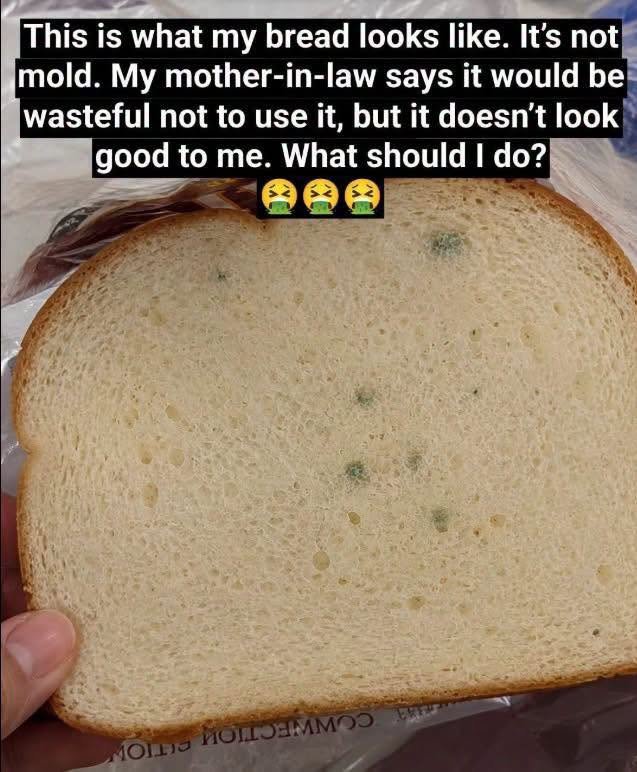
Have you ever opened a loaf of bread, reached for a slice, and noticed a few unusual green spots? At first, they might look like harmless discoloration. Someone in your household might even insist that throwing the bread away would be wasteful.
But before making a sandwich or putting the slice in the toaster, there is something important you should know.
Green, blue, or white fuzzy spots on bread can be signs of mold. Although some changes in bread color may have other explanations, suspicious spots should never be ignored.
So, should you keep the bread, cut away the affected area, or throw the entire loaf away? Here is what food safety experts recommend.
What Are the Green Spots on Bread?
The greenish spots visible on bread may indicate mold growth. Mold is a type of fungus that can develop when bread is exposed to moisture, warmth, or conditions that allow fungal spores to grow.
Mold does not always look the same. Depending on the species and stage of growth, it may appear green, blue, white, gray, or even black. Some mold also has a fuzzy or powdery appearance.
However, color alone cannot confirm exactly what the spots are. If the bread has unexplained discoloration, an unusual smell, or a suspicious texture, it is safest not to eat it.
Can You Eat Bread If Only One Slice Has Mold?
No. If you find mold on a slice of bread, the safest recommendation is to discard the entire loaf.
According to the U.S. Department of Agriculture (USDA), bread is a porous food. This means mold can spread beneath the visible surface, making it difficult to determine how far it has grown.
Even when the surrounding bread looks perfectly normal, microscopic mold structures may already be present.
Cutting away the green spots does not reliably make the remaining bread safe. Removing the visible portion, scraping the surface, or toasting the bread should not be used as a way to rescue moldy bread.
For the same reason, you should not simply discard one affected slice and eat the rest of the loaf.
Why Does Bread Develop Mold?
Several factors can contribute to mold growth.
1. Moisture
Moisture creates favorable conditions for many types of mold. Bread stored in a damp environment or exposed to condensation may spoil more quickly.
2. Warm Temperatures
Warm environments can encourage mold growth. Bread left in a hot kitchen may develop visible spoilage sooner than bread stored under suitable conditions.
3. Storage Conditions
Bread exposed to air, moisture, or contaminated surfaces may have a shorter shelf life. Packaging can help protect it, but it cannot prevent mold indefinitely.
4. Time
Bread does not remain fresh forever. Even when it looks and smells normal initially, mold can develop as it ages, particularly when storage conditions are unfavorable.
Is It Safe to Toast Bread With Mold?
No. Toasting is not a reliable way to make moldy bread safe to eat.
Although heat can destroy some microorganisms, it does not guarantee that all mold-related hazards have been eliminated. Some molds can also produce substances that are not reliably removed by ordinary cooking or toasting.
If you notice suspicious mold before putting bread in the toaster, do not use heat as a solution. Discard the affected loaf instead.
What If You Have Already Eaten Moldy Bread?
Accidentally eating a small amount of moldy food does not necessarily mean you will become ill. However, the possible effects depend on the type of mold, the amount consumed, and the individual's health.
Some people may experience nausea, vomiting, diarrhea, or allergic symptoms, while others may have no noticeable reaction.
If you develop concerning symptoms after eating suspicious bread, contact a healthcare professional. Seek urgent medical assistance if you experience difficulty breathing or signs of a severe allergic reaction.
People with weakened immune systems should be particularly cautious about consuming potentially moldy food.
How to Keep Bread Fresh for Longer
Throwing away a whole loaf can feel wasteful, especially when only a few spots are visible. Fortunately, several simple habits can help reduce food waste while protecting your household.
Freeze bread you will not use soon. Freezing is an effective way to preserve bread for longer. You can separate slices before freezing so you can take out only what you need.
Keep bread properly sealed. Follow the storage instructions on the package and use a clean, suitable bread container or bag.
Avoid excess moisture. Store bread in a dry place and avoid handling it with wet hands.
Check bread before eating. Look for unusual spots, changes in texture, or an unexpected odor. Remember that normal appearance and smell do not guarantee safety.
Buy an appropriate quantity. If your household does not use bread quickly, consider buying smaller loaves or freezing part of a larger loaf when it is still fresh.
Should Bread Be Stored in the Refrigerator?
Refrigeration can slow mold growth, but it may also cause bread to become stale more quickly. For longer storage, freezing is often a better option for preserving bread quality.
For bread you plan to eat soon, follow the manufacturer's storage recommendations and consider the temperature and humidity in your kitchen.
There is no single storage method that works perfectly for every bread product, so check the packaging for specific instructions.
Frequently Asked Questions
Can I remove the moldy part and eat the rest?
No. Bread is porous, and mold may extend beyond the area you can see. Discard the entire loaf.
Does moldy bread always smell bad?
No. Mold can be present even when the bread has little or no noticeable odor. Do not rely on smell alone to determine whether bread is safe.
Can I feed moldy bread to birds or pets?
It is best not to. Moldy food may also be harmful to animals. Discard it securely rather than using it as animal feed.
Are the green spots definitely mold?
Not necessarily. A photograph cannot establish the exact cause of discoloration. However, if green spots are unexplained and spoilage is suspected, the safest choice is to discard the loaf.
How can I reduce bread waste without risking my health?
Freeze extra slices while the bread is still fresh. This allows you to use smaller portions as needed rather than keeping a whole loaf at room temperature until it spoils.
Final Thoughts
Finding green spots on bread can be frustrating, particularly when the rest of the loaf appears normal. But food safety is more important than trying to save a few slices.
Because mold can spread beneath the surface of porous foods such as bread, removing the visible spots is not enough to ensure safety. If you suspect that your bread is moldy, discard the entire loaf and clean any surface or container that may have come into contact with it.
A little preventive care can help you avoid this problem in the future. Store bread appropriately, freeze what you cannot use soon, and check for signs of spoilage before eating.
What do you usually do when you discover suspicious spots on bread? Do you throw away the whole loaf or freeze your bread to prevent waste? Share your experience in the comments!
Food safety note: This article is for general educational purposes. For additional guidance, consult the USDA Food Safety and Inspection Service.