How Often Should You Really Shower? What Experts Want You to Know
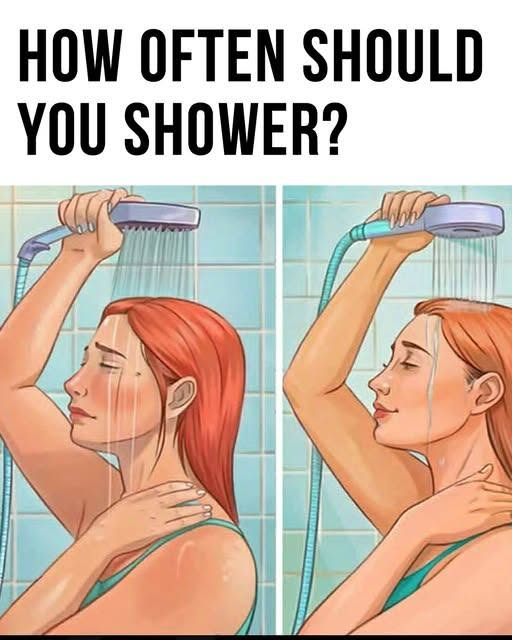
Taking a shower is part of many people's daily routine. Some prefer showering every morning, while others find that showering less frequently helps keep their skin comfortable. But is a daily shower necessary for everyone?
Dermatologists explain that the ideal showering frequency depends on several factors, including your activity level, climate, skin type, age, and personal hygiene needs. Showering regularly helps remove sweat, dirt, and body odor, but too much hot water or harsh soap can also leave your skin dry and irritated.
Here is what you should know about showering frequency and how to build a routine that works for your body.
How Often Should You Shower?
There is no single showering schedule that is best for everyone. For many adults, showering once a day is a reasonable choice, particularly in hot weather, after exercise, or when working in a physically demanding environment.
However, some people may not need a full shower every day, especially when they have dry or sensitive skin and have not been sweating much.
Your routine should take into account:
Physical activity: Exercise and heavy sweating may make more frequent washing necessary.
Weather: Hot, humid conditions can increase sweating and body odor.
Skin type: Dry or sensitive skin may become irritated by frequent hot showers.
Occupation: People exposed to dirt, dust, grease, or chemicals may need to wash more often.
Age: Older adults often have drier, more fragile skin and may benefit from gentler bathing habits.
The goal is to stay clean without unnecessarily stripping the skin of its natural protective oils.
5 Signs You May Be Showering Too Often
Showering is important for hygiene, but frequent long showers with hot water and strong cleansers can affect your skin.
1. Your Skin Feels Dry or Tight
If your skin feels tight immediately after showering, your routine may be removing too much of its natural moisture.
Hot water and harsh soaps can weaken the skin's protective barrier, allowing moisture to escape more easily.
Try using lukewarm water, shortening your shower, and applying a fragrance-free moisturizer afterward.
2. You Experience Frequent Itching
Persistent itching can sometimes occur when the skin becomes dry or irritated by cleansers, fragrances, or excessive washing.
If itching continues despite changing your routine, consider speaking with a healthcare professional. Skin conditions such as eczema can also cause these symptoms.
3. Your Skin Becomes Red or Irritated
Redness, burning, or irritation may indicate that your skin is reacting to hot water, strong soaps, scrubbing, or fragranced products.
Use a gentle cleanser and avoid rough sponges or vigorous scrubbing. If the irritation persists or worsens, seek medical advice.
4. You Notice Flaking or Cracked Skin
Excessively dry skin can become flaky and, in more severe cases, develop cracks. These cracks may be uncomfortable and can increase the risk of skin infection.
Shorter showers and regular moisturizing may help. If your skin becomes painful, bleeds, or shows signs of infection, consult a healthcare professional.
5. Your Scalp or Hair Feels Dry
Washing your hair with shampoo every time you shower is not necessary for everyone. Frequent shampooing, particularly with harsh products, may leave some hair types dry or brittle.
The right shampooing schedule depends on your scalp, hair texture, activity level, and personal needs.
5 Signs You May Need to Wash More Often
On the other hand, going too long without washing may allow sweat, oils, and dirt to accumulate.
Consider showering or washing key areas more often if you notice:
Persistent body odor, especially around the armpits, feet, or groin.
Heavy sweating after exercise, outdoor work, or time in hot weather.
Visible dirt or grime on your skin.
Skin irritation from sweat or friction, particularly in skin folds.
Exposure to substances that require prompt washing, such as certain workplace chemicals. Follow the relevant safety instructions for chemical exposure.
You do not necessarily need a long, full-body shower every time. Washing the areas that are sweaty or dirty may be enough in some situations.
What Is the Best Way to Shower for Healthy Skin?
Your showering technique can be just as important as how often you shower.
Use Warm, Not Hot, Water
Hot water may feel relaxing, but it can remove skin oils and worsen dryness. Choose comfortably warm water instead.
Keep Showers Short
The American Academy of Dermatology recommends limiting showers or baths to about five to ten minutes when managing dry skin.
Shorter showers can help reduce irritation and preserve moisture.
Choose a Gentle Cleanser
Look for a mild, fragrance-free cleanser, especially if your skin is sensitive or prone to eczema.
You do not necessarily need to use soap over every part of your body each time. Focus on areas that commonly accumulate sweat and odor, such as the armpits, groin, and feet.
Avoid Excessive Scrubbing
Rough loofahs, abrasive brushes, and vigorous scrubbing can irritate the skin. Use your hands or a soft washcloth and clean gently.
Moisturize After Showering
Gently pat your skin dry with a towel instead of rubbing it aggressively. Apply a fragrance-free cream or ointment while your skin is still slightly damp to help retain moisture.
Is It Better to Shower in the Morning or at Night?
Both options can work well. There is no universal medical rule that says one time of day is healthier for everyone.
Morning showers may help you feel refreshed before work or other daily activities.
Evening showers can remove sweat, dust, and pollutants accumulated during the day. Some people also find a warm shower relaxing before bed.
Choose the time that fits your routine and makes it easier to maintain good hygiene.
How Often Should Older Adults Shower?
As people age, their skin often becomes thinner and drier. Frequent hot showers and harsh soaps can make this dryness worse.
Some older adults may find that a full shower every two or three days is sufficient, provided they wash areas that need more frequent cleaning and bathe more often when sweaty or dirty.
However, there is no mandatory schedule for every older adult. Mobility, continence, medical conditions, personal preference, and the advice of a healthcare professional can all influence the best routine.
Gentle cleansing, careful drying, moisturizing, and bathroom safety are especially important for people who are prone to falls.
Frequently Asked Questions
Is showering every day bad for your skin?
Not necessarily. Many people can shower daily without problems. The main concerns are very hot water, long showers, harsh cleansers, and excessive scrubbing, which may worsen dryness and irritation.
Is it okay to skip a shower for one day?
For many people, yes, particularly if they have not been sweating heavily or getting dirty. Washing your face, armpits, groin, and feet as needed can help maintain hygiene between full showers.
Should you shower after exercise?
Showering after exercise is a good way to remove sweat and dirt. If a shower is not immediately available, changing out of sweaty clothing and washing the areas most affected by sweat can help.
Does showering less often make your skin healthier?
It may help some people with dry or sensitive skin, but not everyone. The best routine balances hygiene with your skin's needs and your daily activities.
How long should a shower last?
For people managing dry skin, dermatologists generally recommend about five to ten minutes with warm water. A shorter shower may be sufficient for everyday cleaning.
Final Thoughts
The healthiest shower routine is not necessarily the longest or most frequent one. It is the routine that keeps you clean while protecting your skin's natural barrier.
For many adults, a daily shower works well, while others may need less frequent full-body washing. Pay attention to your activity level, the weather, and how your skin responds.
Use warm water, keep showers reasonably short, choose gentle cleansers, and moisturize afterward if your skin is dry. If persistent itching, cracking, or irritation develops, seek professional advice.
Medical disclaimer: This article is for educational purposes only and is not a substitute for individualized medical advice.