How to Support Colon Health Naturally: What Really Helps With Constipation?
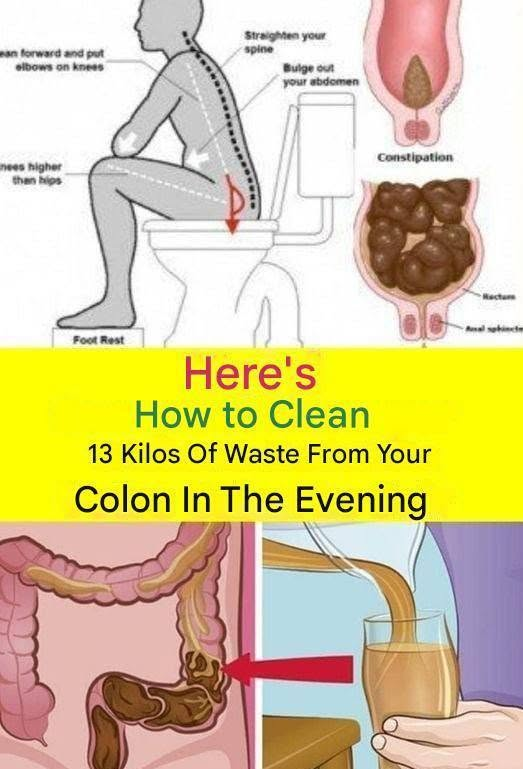
Claims about removing 13 to 15 kilograms of waste from the colon overnight have been circulating online, but they are not supported by reliable medical evidence. The human digestive system already has natural processes for moving waste through the intestines and eliminating it from the body.
If you are experiencing bloating, hard stools, or difficulty having a bowel movement, there are safer, evidence-based ways to support digestive health. Understanding how the colon works can help you avoid unnecessary cleanses and focus on habits that make a real difference.
Does the Colon Really Store 15 Kilograms of Waste?
There is no good evidence that the average person carries 13 to 15 kilograms of accumulated waste in their colon that needs to be removed overnight.
The large intestine absorbs water and electrolytes from digestive contents while helping form and move stool toward the rectum. The amount of stool in the digestive tract varies depending on factors such as diet, hydration, transit time, and bowel habits.
Having a bowel movement does not mean the colon has been completely emptied, nor does it need to be. Routine colon cleansing is not necessary for general health or detoxification. The digestive system already eliminates waste naturally. Mayo Clinic: Colon cleansing.
What Is Constipation?
Constipation is a common digestive problem. It can involve having bowel movements less frequently than usual, passing hard or dry stools, straining, or feeling that you have not completely emptied your bowels.
Common contributing factors include:
Not eating enough dietary fiber
Low physical activity
Changes in daily routines or diet
Ignoring the urge to have a bowel movement
Certain medications
Some medical conditions
Not everyone needs to have a bowel movement every day. What matters is your usual pattern, the consistency of your stool, and whether you experience discomfort or other symptoms. NHS: Constipation.
7 Practical Ways to Support Healthy Bowel Movements
1. Eat More Fiber-Rich Foods
Dietary fiber helps support normal bowel function. Good sources include oats, whole grains, beans, lentils, chickpeas, fruits, vegetables, nuts, and seeds.
Adults generally need around 22–34 grams of fiber daily, depending on age and sex. Increase your intake gradually to reduce the chance of gas and bloating.
If you have a digestive condition that affects how you tolerate fiber, ask a healthcare professional for individualized advice.
2. Drink Enough Fluids
Adequate fluid intake helps prevent dehydration and allows dietary fiber to work effectively. Water is a practical everyday choice.
Your individual fluid needs depend on your health, activity level, climate, and medications. People who have been advised to restrict fluids because of heart or kidney problems should follow their clinician's guidance.
3. Stay Physically Active
Regular movement can help support bowel regularity. Walking, cycling, swimming, and other activities suited to your abilities can all contribute to a healthy routine.
You do not need an intense workout to get started. A daily walk may be a manageable first step for many people.
4. Respond to the Urge to Go
Try not to repeatedly delay a bowel movement when you feel the urge.
Allow yourself enough time in the bathroom, relax, and avoid excessive straining. A small footstool can help raise your knees above your hips, which may make passing stool more comfortable.
5. Establish a Regular Routine
Some people find it helpful to use the bathroom at a consistent time each day, often after breakfast or another meal.
Eating stimulates natural movement in the digestive tract, so allowing time after meals may help establish a routine.
6. Review Medications With a Professional
Some medicines and supplements can contribute to constipation. If your symptoms began after starting a new medication, speak with your doctor or pharmacist.
Do not stop prescribed medication or start taking laxatives regularly without appropriate advice.
7. Seek Help if Lifestyle Changes Are Not Enough
If dietary changes, fluids, and physical activity do not help, a pharmacist or healthcare professional can advise whether a laxative or further assessment is appropriate.
Different laxatives work in different ways, and the best option depends on your symptoms and medical history. Avoid using aggressive cleansing products or repeated enemas as a general wellness routine.
What About Colon Cleanses and Detox Drinks?
Colon cleanses may involve laxatives, enemas, herbal preparations, or procedures that flush fluid through the large intestine.
These approaches are sometimes promoted as ways to remove toxins, improve energy, or eliminate years of accumulated waste. However, evidence does not support routine colon cleansing for these purposes.
Cleansing methods can cause abdominal cramps, diarrhea, vomiting, dehydration, and electrolyte disturbances. More serious complications, including infection or injury to the bowel, can occur. The risks may be greater for people with digestive, kidney, or heart conditions.
Medical bowel preparation is sometimes necessary before procedures such as a colonoscopy, but it should be performed according to healthcare professionals' instructions. This is different from cleansing the colon for general wellness.
Does Toilet Posture Make a Difference?
Yes, posture may make bowel movements easier for some people.
Sitting with your feet supported on a small stool, leaning slightly forward, and keeping your knees above your hips may help you pass stool with less straining.
However, posture does not remove kilograms of hidden waste or replace medical care for persistent constipation.
When Should You See a Doctor?
Occasional constipation is common, but certain symptoms need medical attention.
Seek medical advice if you experience persistent or recurrent constipation, unexplained weight loss, blood in your stool, a sudden change in bowel habits, or ongoing abdominal pain.
Seek urgent medical care if you have severe or worsening abdominal pain, repeated vomiting, significant abdominal swelling, or an inability to pass stool or gas. These symptoms may indicate a more serious problem.
Frequently Asked Questions
Can I clean my colon naturally in one night?
Your digestive system continuously processes food and moves waste through the intestines. You do not need to force a complete colon cleanse overnight. If you are constipated, use evidence-based measures and seek professional advice if symptoms persist.
Does passing a large stool mean toxins have been removed?
No. Stool contains water, undigested material, bacteria, and waste products. Passing stool is a normal bodily function, not proof that toxins have been removed from the entire body.
Can lemon water or herbal tea flush the colon?
There is no reliable evidence that lemon water or ordinary herbal tea removes large amounts of accumulated waste from the colon. Some products marketed as cleansing teas contain laxative ingredients that may cause diarrhea and dehydration.
Is it unhealthy not to have a bowel movement every day?
Not necessarily. Bowel frequency varies from person to person. Hard stools, excessive straining, discomfort, and a change from your normal pattern may be more informative than frequency alone.
Is a colon cleanse necessary before starting a healthy diet?
No. Most people can begin eating more fiber-rich foods, drinking appropriate amounts of fluid, and becoming more active without undergoing a colon cleanse.
Final Thoughts
A healthy colon does not need an overnight detox to function properly. Instead of chasing claims about removing 15 kilograms of waste, focus on the habits that support normal digestion: a balanced, fiber-rich diet, adequate fluids, regular movement, and a consistent bathroom routine.
If constipation continues or you notice concerning symptoms, professional advice can help identify the cause and guide safe treatment.
What do you think? Let us know in the comments! 💬❤️ Which habits help you maintain healthy digestion?
Medical disclaimer: This article is for educational purposes only and does not replace professional medical advice, diagnosis, or treatment.