What Happens to Your Body When You Eat Tomatoes? 7 Evidence-Based Benefits You Should Know
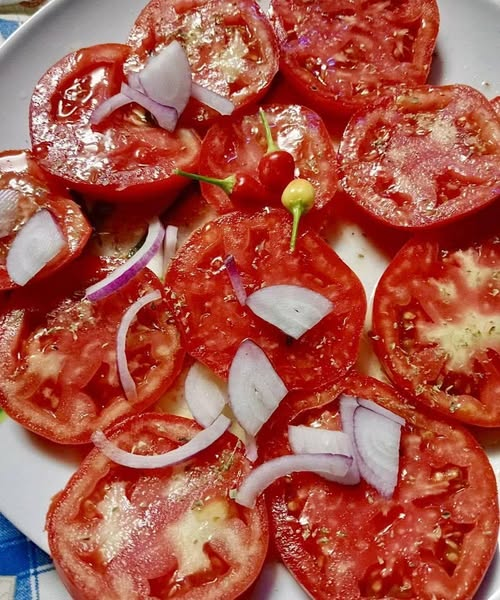
Tomatoes are a familiar ingredient in salads, soups, sauces, and countless everyday meals. Their bright red color makes them easy to recognize, but tomatoes offer more than flavor and color. They provide vitamin C, potassium, fiber, and beneficial plant compounds that contribute to a balanced diet.
One of the most studied compounds in tomatoes is lycopene, an antioxidant responsible for much of their red color. Research has explored its relationship with heart health, inflammation, and several chronic conditions, although not every proposed benefit has been conclusively demonstrated in humans. <Cite refs={["turn987910search0","turn987910search1"]}/>
So, what can happen when you eat tomatoes regularly? Here are seven potential benefits, along with a few precautions worth knowing.
1. Tomatoes Provide Antioxidants
Tomatoes contain lycopene, vitamin C, and other plant compounds that help protect cells against oxidative stress.
Oxidative stress occurs when the balance between potentially damaging molecules and the body's protective antioxidant systems is disrupted. It is involved in many biological processes, including those associated with aging and chronic disease.
Eating a variety of fruits and vegetables, including tomatoes, helps provide nutrients and plant compounds that support overall health.
However, tomatoes should not be described as a detox treatment or a cure for disease. Their value comes from being part of a balanced eating pattern.
2. They Can Support Heart Health
Tomatoes provide potassium, which helps the body regulate blood pressure, as well as lycopene and other nutrients that have been studied for their possible cardiovascular benefits.
Some research has found associations between tomato consumption and better cardiovascular outcomes. However, the quality of evidence varies, and eating tomatoes alone cannot guarantee lower blood pressure or prevent heart disease. <Cite refs={["turn987910search0","turn987910search9"]}/>
For heart health, tomatoes work best alongside other habits, such as regular physical activity, avoiding tobacco, eating a balanced diet, and managing blood pressure and cholesterol.
3. Tomatoes Support Healthy Digestion
Tomatoes contain dietary fiber, which contributes to normal digestive function and can help support regular bowel movements.
They also contain water, contributing to daily fluid intake.
To get the most benefit, include tomatoes as part of a varied diet that also contains whole grains, beans, fruits, and other vegetables.
People who experience heartburn or acid reflux may find that tomatoes trigger symptoms because of their acidity. If that happens, consider smaller portions or alternatives that you tolerate better rather than assuming tomatoes are harmful for everyone.
4. They Help Supply Vitamin C
Vitamin C supports immune function, collagen production, wound healing, and the absorption of iron from plant-based foods.
Tomatoes can contribute to your daily vitamin C intake, although the amount varies with the variety, ripeness, storage, and preparation method.
For a practical option, add fresh tomato slices to sandwiches, salads, or meals containing beans and leafy vegetables.
No single food can prevent every infection, but a varied diet helps provide the nutrients your body needs.
5. Tomatoes May Support Eye Health
Tomatoes contain beta-carotene, which the body can convert into vitamin A. Vitamin A is important for normal vision and maintaining healthy tissues on the surface of the eye.
Tomatoes also contain other carotenoids and antioxidants.
However, tomatoes are not a treatment for eye disease, and eating more of them has not been established as a way to reverse vision loss. A varied diet containing different colorful fruits and vegetables is a sensible approach to supporting general eye health.
6. They Can Be Part of a Healthy Weight-Management Plan
Fresh tomatoes are relatively low in calories and provide water and some fiber, making them a useful addition to meals for people managing their weight.
You can use them to add flavor and volume to salads, vegetable dishes, omelets, and sandwiches without relying on large amounts of high-calorie sauces.
The overall meal matters, too. Tomato dishes prepared with large amounts of oil, cheese, salt, or added sugar can have a very different nutritional profile from fresh tomatoes.
There is no convincing basis for claiming that tomatoes independently burn body fat or cause rapid weight loss.
7. Cooked Tomatoes Can Provide Lycopene in an Easily Absorbed Form
Fresh tomatoes are nutritious, but cooking can also have benefits.
Heating tomatoes during the preparation of sauces, purées, and pastes changes the structure of lycopene and can make it easier for the body to absorb. Consuming tomato products with some dietary fat can further improve lycopene absorption. <Cite refs={["turn987910search3","turn987910search13"]}/>
This does not mean that cooked tomatoes are always healthier than raw tomatoes. Both can be nutritious, and eating a mixture of fresh and cooked tomatoes is a practical choice.
When buying tomato sauce or canned products, check the label for added sodium and sugar.
Are Tomatoes Safe for Everyone?
Tomatoes are generally safe for most people, but certain circumstances call for individual advice.
People with acid reflux: Tomatoes may trigger heartburn or regurgitation in some individuals. Symptoms vary, so avoid them only if they consistently cause problems for you.
People with chronic kidney disease: Tomatoes contain potassium. Many people with early-stage kidney disease can eat them, but those with elevated blood potassium or certain dialysis requirements may need individualized portions. Ask your clinician or renal dietitian. <Cite refs={["turn987910search2","turn987910news25"]}/>
People with tomato allergies: Although uncommon, tomato allergy can cause symptoms ranging from itching or hives to more serious reactions. Seek emergency help for difficulty breathing or swelling of the throat.
People watching their sodium intake: Fresh tomatoes are naturally low in sodium, but canned tomatoes, sauces, and prepared dishes can contain substantial added salt.
What Is the Best Way to Eat Tomatoes?
There is no single best preparation for everyone. Try a variety of options:
Fresh tomatoes with cucumber, onion, and herbs.
Sliced tomatoes in sandwiches or wraps.
Homemade tomato sauce with little added salt.
Roasted tomatoes with olive oil and herbs.
Tomato-based soups or vegetable stews.
Cooked tomatoes served with beans, whole grains, or other vegetables.
Choose preparations that fit your dietary needs and personal preferences.
Frequently Asked Questions
Is it healthy to eat tomatoes every day?
For most people, tomatoes can be part of a healthy daily diet. The appropriate amount depends on individual preferences, overall diet, and any medical dietary restrictions.
Are raw tomatoes healthier than cooked tomatoes?
Both can be nutritious. Cooking may improve the absorption of lycopene, while raw tomatoes retain their natural vitamin C content. Including both forms can provide variety.
Do tomatoes prevent cancer?
Tomatoes contain compounds that researchers have studied for possible relationships with cancer risk. However, current evidence does not establish that eating tomatoes prevents or treats cancer. They should not replace recommended screening or medical treatment. <Cite refs={["turn987910search4","turn987910search7"]}/>
Do tomatoes damage the kidneys?
Tomatoes do not generally damage healthy kidneys. However, people who have been advised to limit potassium because of kidney disease may need to monitor their intake according to their medical team's recommendations.
Can tomatoes help lower blood pressure?
Tomatoes provide potassium, which is involved in blood pressure regulation. They can fit into a heart-healthy diet, but they are not a substitute for prescribed blood pressure medication or medical advice.
Final Thoughts
Tomatoes are a versatile, nutrient-rich food that can contribute vitamin C, potassium, fiber, and lycopene to your diet. Eating them regularly as part of a varied diet is a simple way to enjoy more vegetables and plant-based nutrients.
The most important point is to avoid exaggerated health claims. Tomatoes are not a miracle food, but they can be a valuable part of everyday meals.
How do you prefer to eat tomatoes: fresh in a salad or cooked into a homemade sauce? Share your favorite way in the comments!
Medical disclaimer: This article is for general educational purposes only and does not replace professional medical advice, diagnosis, or treatment.