The Incredible Power of Seeds for Your Health: 8 Nutritious Seeds to Add to Your Diet
Small but packed with nutrients, seeds can be a valuable addition to a healthy diet. Chia seeds, flaxseeds, pumpkin seeds, and sunflower seeds contain a variety of nutrients that help support normal body functions, including fiber, healthy fats, plant-based protein, vitamins, and minerals.
Although seeds are sometimes promoted as miracle foods, their real benefits come from the nutrients they provide as part of a balanced eating pattern. No single seed can prevent every disease or replace medical treatment, but regularly including a variety of seeds in your meals can be a simple way to improve your overall nutritional intake.
Let's explore eight nutritious seeds, their potential benefits, and easy ways to enjoy them every day.
1. Chia Seeds: A Source of Fiber and Healthy Fats
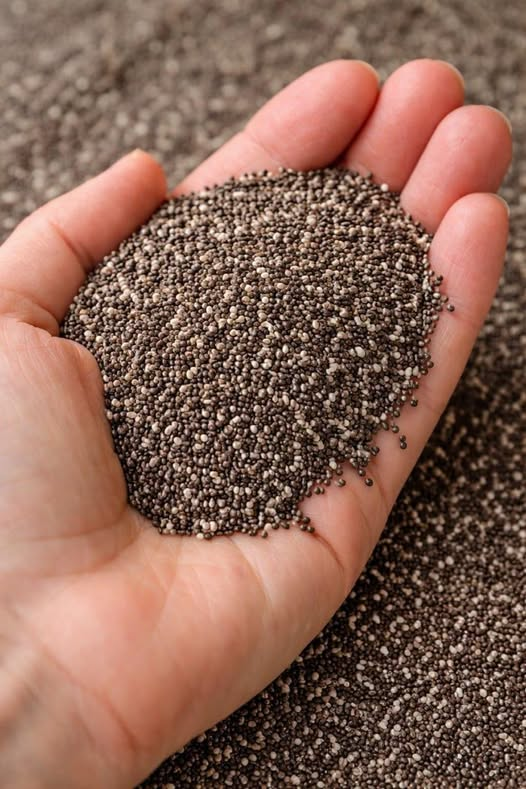
Chia seeds may be tiny, but they provide dietary fiber, plant-based omega-3 fatty acids called alpha-linolenic acid (ALA), and minerals such as calcium and magnesium.
Their fiber absorbs water and forms a gel, which can help support normal bowel movements and promote a feeling of fullness.
How to enjoy them: Add chia seeds to oatmeal, smoothies, yogurt, or overnight oats. You can also mix them with milk or a plant-based alternative to make chia pudding.
Tip: Allow chia seeds to absorb sufficient liquid before eating them, particularly if you have difficulty swallowing.
2. Flaxseeds: Rich in Plant-Based Omega-3s
Flaxseeds contain ALA, dietary fiber, and lignans, which are plant compounds with antioxidant properties.
Ground flaxseeds are generally easier for the body to digest than whole flaxseeds because their hard outer coating can pass through the digestive system intact.
Regularly eating flaxseeds may help support healthy cholesterol levels as part of a balanced diet.
How to enjoy them: Stir ground flaxseeds into oatmeal, yogurt, smoothies, or homemade baked goods.
3. Pumpkin Seeds: A Convenient Source of Minerals
Pumpkin seeds, also known as pepitas when shelled, provide protein, magnesium, zinc, iron, and unsaturated fats.
Magnesium contributes to normal muscle and nerve function, while zinc supports immune function and wound healing.
Pumpkin seeds are also a convenient plant-based snack that can add texture and nutrients to meals.
How to enjoy them: Sprinkle unsalted pumpkin seeds over salads, soups, oatmeal, or roasted vegetables.
4. Sunflower Seeds: Vitamin E and Healthy Fats
Sunflower seeds are particularly rich in vitamin E, an antioxidant that helps protect cells from oxidative damage. They also provide unsaturated fats, protein, and other nutrients.
Including sunflower seeds in a varied diet can help increase your intake of vitamin E and other essential nutrients.
How to enjoy them: Add unsalted sunflower seeds to salads, whole-grain cereals, or homemade trail mix.
5. Sesame Seeds: Calcium and Other Minerals
Sesame seeds contain healthy fats, protein, fiber, and minerals, including calcium, magnesium, and iron. Their exact nutrient content depends on the variety and whether the seeds are hulled.
Sesame seeds can add a distinctive nutty flavor to both savory and sweet dishes.
How to enjoy them: Sprinkle sesame seeds over steamed vegetables, rice, salads, or homemade bread. Tahini, a paste made from sesame seeds, is another versatile option.
People with sesame allergies should avoid sesame and foods containing it.
6. Hemp Seeds: Plant-Based Protein
Hemp seeds provide protein, unsaturated fats, and several minerals. Shelled hemp seeds, sometimes called hemp hearts, have a soft texture and a mild, nutty flavor.
Their protein content makes them a useful addition to meals for people following vegetarian or plant-focused eating patterns.
How to enjoy them: Add hemp hearts to smoothies, yogurt, salads, or cooked vegetables.
7. Poppy Seeds: Flavor and Essential Nutrients
Poppy seeds contain fiber, unsaturated fats, and minerals such as calcium and manganese.
They are commonly used in baking and traditional dishes, where they contribute a pleasant texture and mild, nutty flavor.
How to enjoy them: Add small amounts to whole-grain bread, muffins, salad dressings, or yogurt.
Poppy seeds are best enjoyed as a food ingredient rather than as a concentrated remedy.
8. Watermelon Seeds: Protein and Minerals
Watermelon seeds are edible when appropriately prepared. They provide protein, healthy fats, magnesium, iron, and other nutrients.
Roasted watermelon seeds are eaten as a snack in several food traditions.
How to enjoy them: Choose properly prepared, roasted watermelon seeds and enjoy a small portion on their own or mixed with other seeds and nuts.
What Happens When You Eat Seeds Regularly?
Including seeds in your diet can contribute to several aspects of general health.
They can help increase fiber intake
Chia and flaxseeds are particularly rich in fiber. Fiber supports normal digestion and can help maintain regular bowel movements.
Increase fiber gradually and drink adequate fluids to reduce the likelihood of digestive discomfort.